A spill on a grocery store floor might remain invisible for hours before someone finally loses their footing. In the moments following a fall at a Fort Lauderdale retail center or a Las Olas restaurant, your primary focus might be the immediate pain or the shock of the event.
Security cameras may have recorded what happened. In many surveillance footage slip and fall Florida cases, the video shows when the hazard appeared, how long it remained on the floor, and whether employees passed by before the fall occurred.
Many businesses keep surveillance video only for a limited time. Most systems record on a loop that replaces older footage after several days or weeks. If no one requests that the recording be preserved, the video of the fall may be deleted as the system continues recording new footage.
Understanding how long businesses typically store surveillance footage in Florida slip and fall cases and how preservation requests work can help protect evidence connected to the incident.
Key Takeaways About Surveillance Footage in Florida Slip-and-Fall Cases
- Most businesses in Fort Lauderdale and Broward County use loop recording systems that overwrite old video in as little as 3 to 7 days.
- A formal spoliation letter Florida injury notice must be sent to the property owner to place the business on notice of its duty to preserve evidence.
- Surveillance footage provides the best evidence to prove how long a hazard existed, which is a requirement under state law.
- If a business deletes video after receiving a preservation request, a judge may allow the jury to draw an adverse inference from the missing evidence.
- You should contact a legal professional immediately to identify all camera locations and send a preservation notice before the data is lost.
How Long Do Businesses Keep Surveillance Footage After a Slip and Fall in Florida?
There is no universal law in Florida that requires a private business to keep its security video for a specific amount of time. Instead, the storage duration depends on the hardware the store uses and the settings of their digital video recorder.
While a large chain store might have the capacity to save video for a month, many smaller local shops in Fort Lauderdale may have systems that reset every week.
Typical Security Camera Retention Periods
Retailers and restaurants often set their cameras to record over old data once the hard drive reaches its capacity. This means that if a store has eight cameras recording in high definition, the drive might fill up and start deleting the oldest files in less than 72 hours.
Larger corporations sometimes use cloud-based storage, but even these systems often have a 30-day deletion cycle to keep their subscription costs low.
The Risk Of Automatic Evidence Destruction Slip Fall Data
When a system automatically overwrites a file, it is rarely a result of someone clicking a delete button. It is a programmed function of the surveillance software designed for efficiency.
This is why you cannot rely on the business to keep the footage out of kindness or a sense of fairness. Without a legal intervention, the system will treat your accident like any other routine hour of business.
- Small retail stores and gas stations often keep footage for only 3 to 7 days.
- Large grocery store chains and big-box retailers typically have retention windows of 14 to 30 days.
- Hotels, casinos, and banks may retain their video for 60 to 90 days due to higher security requirements.
- Public transportation systems like Broward County Transit may have specific internal policies that vary by vehicle and route.
The wide range of these timelines makes it impossible to guess how much time you have left to act. Every hour that passes brings the system closer to the end of its recording loop. If the footage vanishes because you waited too long to ask for it, you may lose a powerful tool in your injury claim.
Why Is Security Video Necessary To Prove A Claim?
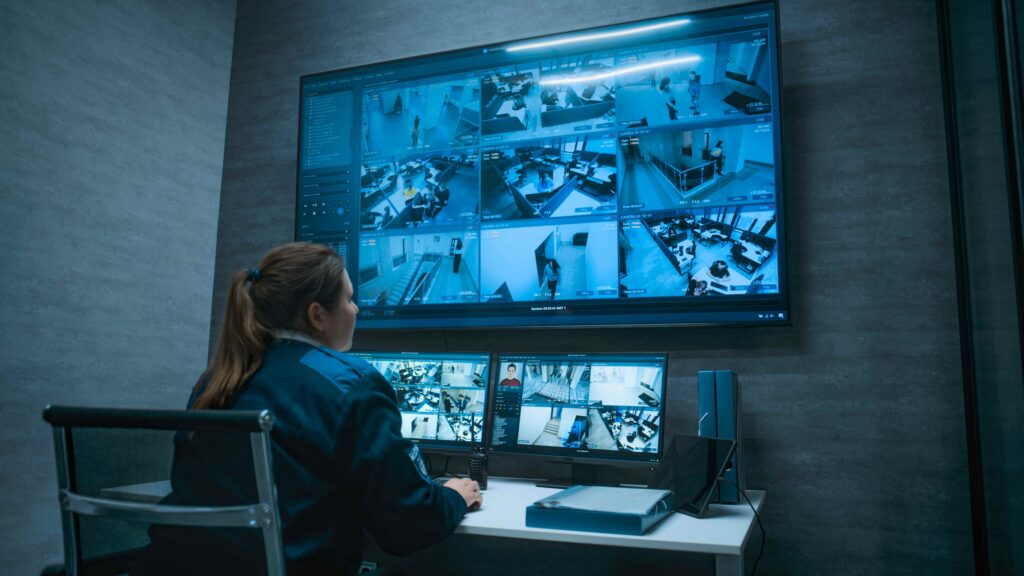
Florida law places a heavy burden of proof on the person who fell, particularly when the incident caused serious injuries. Under Florida Statute 768.0755, you must prove that the business had actual or constructive knowledge of the dangerous condition. This means you must show that the liquid or hazard was on the floor for a long enough time that the staff should have found it and cleaned it up.
Proving The Timeline Of The Hazard
Surveillance footage in Florida slip and fall cases can show exactly when a spill happened. For example, a video may reveal that a bottle was leaking for thirty minutes before the fall. This can make it much easier to prove the store was negligent.
Without the video, the store might argue that the spill occurred only seconds before you walked by, giving them no reasonable chance to clean it up.
Verifying The Store Response To The Danger
Video also captures how many employees walked past the hazard without taking action. If a clerk walked right by a puddle and did not put up a yellow warning sign, the video becomes an undeniable record of their failure to protect customers. This level of detail is something that witness statements or photographs taken after the fall cannot provide.
- Confirming the exact time the foreign substance arrived on the walking surface.
- Identifying whether any store employees noticed the hazard and chose to ignore it.
- Showing if the store followed its own internal safety inspection policies on that day.
- Documenting your own behavior to prove you were not distracted by a phone or other device.
The legal reality is that a store is not automatically responsible for every fall that happens on their property. You must bridge the gap between the injury and the store's knowledge of the danger. Surveillance footage serves as the bridge that connects the hazard to the store's legal liability.
What Is A Spoliation Letter Florida Injury Notice?

A spoliation letter is a written notice that asks a property owner to keep important evidence, such as security camera footage, because a legal claim may be filed. The letter lets the owner know that a case may be coming and that destroying the evidence could lead to penalties. After receiving the letter, the owner is expected to take steps to make sure the surveillance footage is not deleted or automatically recorded over.
Triggers For The Duty To Preserve Evidence
In Florida, businesses usually must keep important evidence once they know, or should reasonably know, that a lawsuit may happen. Simply telling a manager that you fell may not be enough to meet this requirement in court.
The spoliation letter creates a paper trail that proves the business knew they needed to save the footage. This is why a verbal request at the store is never a substitute for a written legal notice.
Sanctions For Failing To Save The Video
If a store receives a spoliation letter and still allows the video to be deleted, they may face sanctions from a judge. These sanctions can include an adverse inference instruction to the jury.
This means the judge tells the jury they may assume the missing video would have shown that the store was at fault for the accident.
- Identifying the specific date, time, and location of the incident to avoid confusion.
- Listing the specific cameras that should be preserved, including interior and exterior views.
- Demanding the preservation of maintenance logs and incident reports from that same day.
- Warning the business about the legal consequences of intentional or negligent evidence destruction.
A properly drafted letter acts as a safeguard for your future lawsuit. It turns a routine technical process into a legal obligation with real consequences. This document is often the difference between a case that reaches a settlement and one that is dismissed for a lack of evidence.
Can A Store Delete Video After Someone Falls?

It is a common fear that a store manager might intentionally delete a recording if they know it shows the company was wrong. While this does happen, the more common issue is the store doing nothing to stop the automatic deletion. Florida law does not require stores to go out of their way to help you unless you or your lawyer formally demand the evidence.
Intentional Destruction vs Negligent Deletion
If a store intentionally wipes a hard drive to hide the truth, the court can be very harsh. However, most stores simply claim that the video was overwritten as part of their normal business routine.
This is why you must prove you asked for the video before the overwrite happened. If you wait months to hire a lawyer, the store can argue that they had no reason to keep the data that long.
Identifying Evidence Destruction Slip Fall Tactics
Some businesses may try to claim their cameras were not working on the day you fell. An experienced slip and fall accident lawyer can look into the history of the store's maintenance and check if they have used this excuse in the past. We also look for other signs that the store camera retention policy was not followed correctly to favor the business.
- Reviewing the timeline of when the store claims the cameras stopped functioning.
- Comparing the store's claims about their storage capacity with the actual hardware they use.
- Examining if the store saved small clips of the fall but deleted the footage from the hour before.
- Using digital forensics to see if files were manually moved or deleted after the accident.
Protecting the integrity of the evidence requires a proactive approach from the very beginning. You cannot wait for the store to offer the truth on its own. You must use every legal tool available to ensure that the facts of the accident remain intact and available for review.
How Can Englander Peebles Help Protect Evidence After a Slip and Fall?

At Englander Peebles, we work quickly to identify and preserve evidence that may support your slip and fall claim. This often includes requesting surveillance footage before it is deleted or recorded over. Our team reviews possible camera locations and addresses the technical challenges that can arise when retrieving digital video.
We communicate with property owners, businesses, and insurance companies about preserving evidence related to the incident. Because many businesses only keep video footage for a short time, we monitor common data retention timelines and send preservation requests while the footage may still be available.
Throughout the process, we keep you informed about the status of your evidence and your potential claim. Our work may include:
- Sending spoliation or preservation letters to property owners or managers asking them to keep relevant evidence.
- Requesting records related to surveillance systems and data storage when appropriate.
- Investigating possible third-party camera sources, such as nearby businesses or public cameras, that may have recorded the incident.
- Managing legal filings and communications with insurance companies as the claim moves forward.
Slip and fall cases often involve both premises liability law and digital evidence. By acting early to identify and preserve key information, we work to ensure that important evidence is available as your claim is evaluated.
FAQs For Surveillance Footage Slip And Fall Florida
Can I get the security video from a store without a lawyer?
Store managers rarely hand over video voluntarily to customers. Most corporations maintain strict policies against sharing footage outside of a legal request to protect themselves. A lawyer uses subpoenas and formal notices to legally compel the store to provide the recording.
What if the store claims their cameras were broken during my fall?
A lawyer can investigate maintenance logs to see if a store is being honest about broken cameras. We can also look for neighboring business cameras or city-owned systems that might have captured the area. If a store's claim seems suspicious, it may be challenged during the discovery process.
Does the 14 day rule apply to slip and fall cases in Florida?
The 14 day rule for medical treatment is specifically part of Florida's car insurance laws for PIP benefits. However, it is still a good idea to see a doctor immediately after a fall to document your injuries. Waiting too long to get medical help can hurt your case because the insurance company will argue that you were not actually injured by the fall.
Is there a cost for a spoliation letter Florida injury notice?
At Englander Peebles, we work on a contingency fee basis, so we cover the costs of sending preservation letters and investigating your claim. You pay no upfront fees for these services. We only receive a fee if we successfully recover money for your claim.
How far back should a store save video before my fall?
We typically demand footage from at least two hours before and one hour after the incident. The time before the fall is vital for proving the hazard existed long enough for the store to find it. This provides the evidence needed to satisfy the constructive knowledge requirement under state law.
Take Action On Your Surveillance Footage Slip And Fall Florida Case
The digital record of your accident is at risk of being deleted with every passing minute. Once the store's loop recording system overwrites the files, the evidence may be gone forever, making it significantly harder to prove that the property owner was at fault.
You must act now to trigger the store's legal duty to save the video. Englander Peebles provides the immediate legal response needed to identify camera locations and send the required preservation notices to the right parties in Fort Lauderdale.
We understand the tactics used by insurance companies to deny claims based on a lack of evidence. Our firm is ready to fight for the truth by securing the technical data that shows exactly what happened during your fall.
Do not let the store's camera retention policy dictate the outcome of your injury claim. Contact our office today for a free consultation to start the process of protecting your evidence.