If you were injured after slipping or falling on someone else’s property, a Fort Lauderdale slip and fall lawyer can help you understand your legal options. These accidents commonly happen in everyday places such as grocery stores, restaurants, apartment complexes, and parking garages. Hazardous conditions—such as wet floors, uneven pavement, poor lighting, or poorly maintained walkways—can lead to serious injuries that may require medical treatment and time away from work.
Property owners may be held liable when dangerous conditions on their property cause someone to be injured. Englander Peebles represents individuals throughout Fort Lauderdale and Broward County who were harmed because a property owner failed to maintain safe premises. Contact us today for a free consultation to discuss your situation.
How Does Englander Peebles Help After a Slip and Fall Accident in Fort Lauderdale?
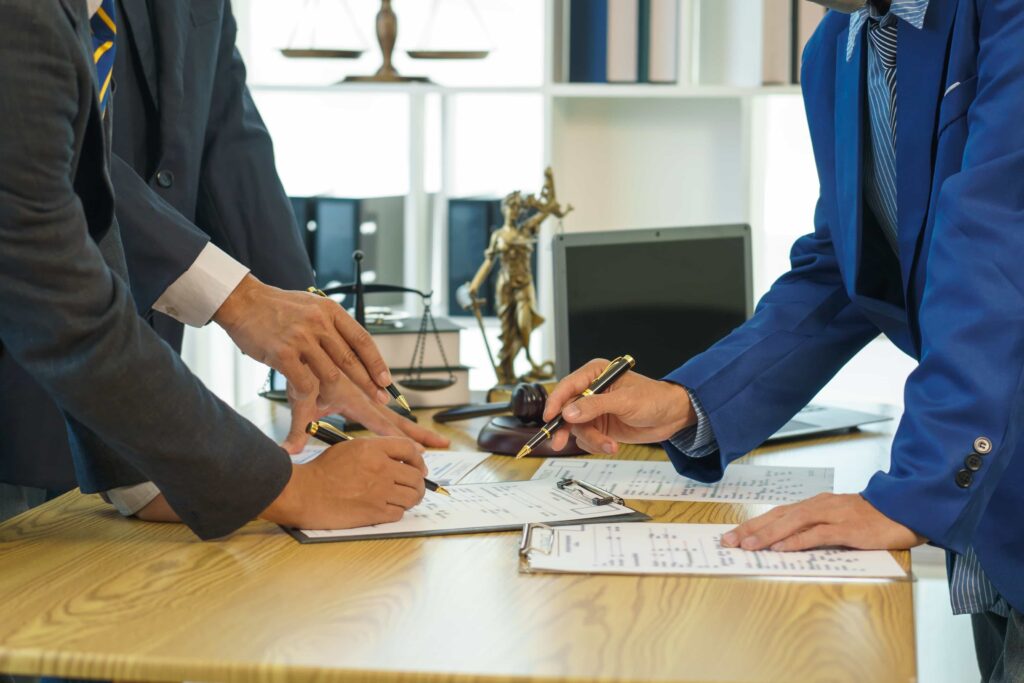
A slip and fall injury may leave you dealing with medical bills, missed work, and pain that affects your daily life long after the initial fall. Englander Peebles represents injured people across Fort Lauderdale, Miami, and the broader Broward County area in premises liability cases involving falls on commercial, residential, and public property.
Direct Access to Your Attorney Throughout the Case
Founding attorneys Gary Englander and Warren Peebles handle each slip and fall case personally. You communicate with your attorney at every stage rather than getting passed to a paralegal or case manager.
That direct involvement matters in premises liability cases, where proving the property owner's knowledge of the hazard often depends on how quickly and thoroughly the evidence is gathered.
Investigating the Property Owner's Negligence
Our team reviews surveillance footage, maintenance logs, inspection records, and incident reports to build a clear picture of what the property owner knew and when they knew it. Englander Peebles handles slip and fall cases on a contingency fee basis, and you typically do not pay attorney fees unless the case results in a recovery.
What Do You Need to Prove in a Fort Lauderdale Slip and Fall Case
Florida's premises liability law places a specific burden on the injured person. Under Florida Statute 768.0755, if you slip and fall on a transitory foreign substance in a business, you must prove that the business had actual or constructive knowledge of the dangerous condition and failed to take action to fix it.
How Florida Law Defines Actual and Constructive Knowledge
Actual knowledge means the property owner or an employee directly knew about the hazard. Constructive knowledge means the hazard existed long enough that a reasonable property owner exercising ordinary care would have discovered and addressed it. The statute also allows constructive knowledge to be shown by proving the hazardous condition occurred with regularity and was therefore foreseeable.
Meeting this standard requires evidence that connects the hazard to the property owner's awareness or inspection failures. The following types of proof often play a central role in Fort Lauderdale slip and fall claims:
- Surveillance footage showing how long the hazard existed before the fall
- Maintenance and inspection logs that reveal gaps in the property owner's routine
- Incident reports from prior falls or complaints about the same condition at the same location
- Employee statements or deposition testimony about cleaning and inspection schedules
- Photographs of the hazard taken shortly after the fall, including the surrounding area and any missing warning signs
Without this type of documentation, the property owner may argue they had no way to know about the condition. The burden to prove knowledge rests entirely on you, which makes early evidence collection one of the most important steps in any premises liability claim.
Where Do Slip and Fall Accidents Happen Most Often in Fort Lauderdale?
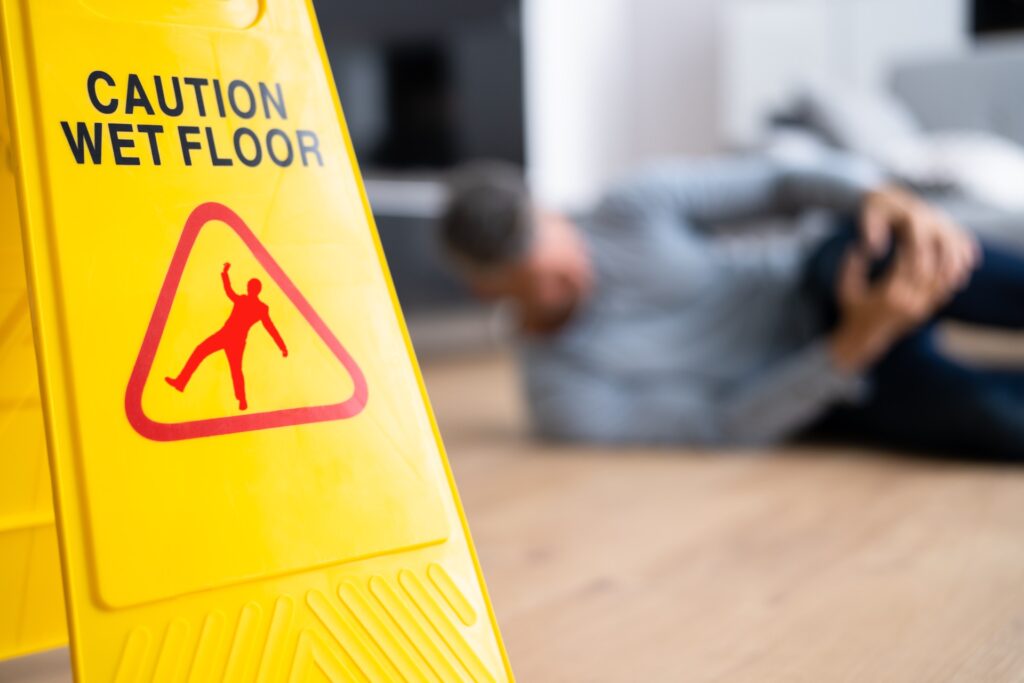
Fort Lauderdale's mix of commercial districts, tourist destinations, residential complexes, and waterfront facilities creates a wide range of locations where hazardous conditions lead to falls. The city's tropical climate adds another layer of risk, with frequent rainstorms creating slick surfaces at building entrances, outdoor walkways, and parking areas.
Common Locations and Hazards Across Broward County
Slip and fall accidents in the Fort Lauderdale area occur most frequently in settings where high foot traffic meets inconsistent maintenance. Restaurants and shops along Las Olas Boulevard, the retail corridors at Sawgrass Mills and Galleria Fort Lauderdale, and the docks and terminals at Port Everglades all present conditions where spills, wet floors, and uneven surfaces regularly create hazards.
Residential properties also generate a significant number of premises liability claims. Apartment complexes and condominiums across Broward County may have poorly maintained stairwells, cracked walkways, broken handrails, or inadequate lighting in common areas. Property managers who fail to inspect and repair these conditions may face liability when a tenant or visitor is injured.
Hazards That Frequently Lead to Fall Injuries in South Florida
Regardless of the location, certain types of hazards appear repeatedly in Fort Lauderdale slip and fall cases. Property owners who fail to address the following conditions may be held responsible for the injuries that result:
- Wet or slippery floors from spills, leaks, or recently mopped surfaces without a Wet Floor sign posted nearby
- Uneven surfaces including cracked sidewalks, loose tiles, torn carpet, or damaged flooring transitions
- Poor lighting in stairwells, hallways, parking garages, and outdoor walkways that makes it difficult to see obstacles or changes in elevation
- Cluttered walkways with merchandise, cords, equipment, or debris blocking pedestrian paths
- Weather-related accumulation of rainwater at building entrances, on ramps, or in parking lots without proper drainage or floor mats
Each of these hazards points to a failure in the property owner's duty to maintain safe conditions for visitors. The specific facts of where and how you fell determine which parties bear legal responsibility.
What Types of Compensation May a Fort Lauderdale Slip and Fall Lawyer Help You Pursue?
The financial impact of a slip and fall goes well beyond the initial medical bill. Fractures, head injuries, spinal damage, and soft tissue tears may require ongoing treatment, physical therapy, and time away from work that stretches over months or longer.
Economic and Non-Economic Damages in a Slip and Fall Claim
Florida law allows injured people to seek both economic and non-economic damages in a premises liability case. Economic damages cover your measurable financial losses, while non-economic damages address the personal toll the injury takes on your daily life.
A slip and fall claim in Fort Lauderdale may include the following categories of damages:
- Medical expenses including emergency care, surgery, imaging, physical therapy, and prescription costs
- Lost wages from time missed at work during recovery, as well as reduced earning capacity if the injury limits your ability to perform your job long-term
- Pain and suffering reflecting the physical discomfort and emotional distress the injury has caused
- Loss of enjoyment of life if the injury prevents you from participating in activities you valued before the fall
Insurance companies regularly attempt to minimize these losses during negotiations by disputing the severity of the injury or the need for certain treatments.
Having a slip and fall attorney who documents the full scope of your damages strengthens your position and helps protect you from accepting a settlement that falls short of what your claim may be worth.
How Does Florida's Comparative Negligence Law Affect a Slip and Fall Claim
Florida follows a modified comparative negligence system under Florida Statute 768.81. This means your compensation may be reduced by the percentage of fault assigned to you, and if you are found more than 50% responsible for the accident, you may be barred from recovering any damages at all.
How Property Owners Try to Shift Blame Onto the Injured Person
Property owners and their insurance companies frequently argue that the injured person shares blame for the fall. They may claim you were distracted by your phone, wearing inappropriate footwear, ignored a posted warning, or failed to notice an obvious hazard.
These arguments aim to push your fault percentage high enough to reduce or eliminate your recovery entirely. Your attorney counters these claims with evidence showing that the property owner's negligence was the primary cause of the fall, such as a missing warning sign, a failure to clean up a known spill, or a gap in the routine inspection schedule.
The stronger the evidence of the owner's knowledge and inaction, the harder it becomes for them to shift fault onto you.
What Steps Matter Most After a Slip and Fall Injury in Fort Lauderdale?
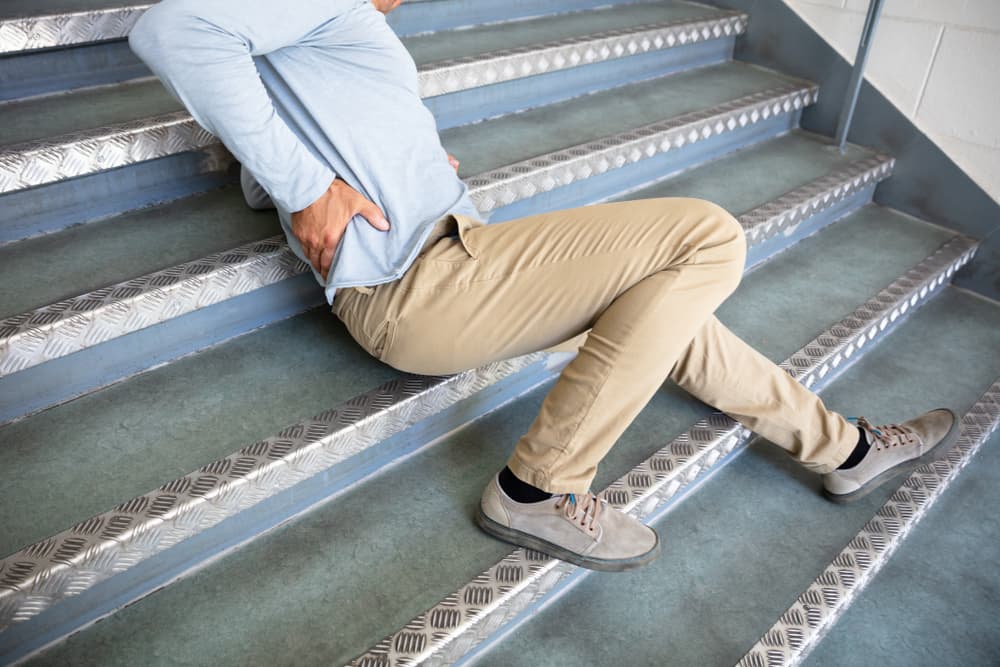
If you have already left the scene of the fall and are home or have received medical treatment, there are several steps that may strengthen your claim. The evidence in a slip and fall case tends to disappear quickly. Property owners may fix the hazard, surveillance systems may overwrite footage, and witnesses may become difficult to locate.
Protecting Your Slip and Fall Claim After an Injury
Taking the following actions may help preserve the evidence your attorney needs to build a strong case:
- Seek medical treatment promptly and follow through on all recommended care, creating a clear record that links your injuries to the fall
- Request a copy of the incident report from the property owner or manager, and note the names of any employees who responded
- Save photographs or videos of the hazard, your injuries, your clothing, and the surrounding area
- Collect contact information from anyone who witnessed the fall or the hazardous condition before it was addressed
- Contact a Fort Lauderdale slip and fall lawyer before giving a recorded statement to the property owner's insurance company
The insurance company's goal is to minimize the payout, and anything you say in a recorded statement may be used to reduce or deny your claim. Having legal representation before that conversation takes place helps protect you from common tactics designed to shift blame onto the injured person.
FAQs for Fort Lauderdale Slip and Fall Lawyers
How long do I have to file a slip and fall lawsuit in Florida?
Under Florida Statute 95.11, the statute of limitations for most negligence-based slip and fall claims is two years from the date of the injury. Missing that deadline almost always bars you from pursuing compensation, regardless of how strong your case may be.
What if I slipped and fell on government property like a public sidewalk or park?
Claims against government entities in Florida follow different rules under Florida Statute 768.28. You must submit a written notice of your claim to the appropriate agency within three years of the incident. Damages against a single government entity are capped at $200,000, and the total for all claims arising from a single incident is capped at $300,000.
Does the property owner have to know about the hazard for me to have a case?
Yes. Under Florida Statute 768.0755, you must prove the property owner had actual or constructive knowledge of the dangerous condition. Constructive knowledge means the hazard existed long enough that a reasonable owner exercising ordinary care would have discovered and fixed it, or that the condition occurred regularly and was foreseeable.
What if the property owner says I was partially at fault for the fall?
Florida's modified comparative negligence law allows property owners to argue that you share responsibility for the accident. If a court or jury assigns you more than 50% of the fault, your claim may be barred entirely. If your share is 50% or less, your recovery is reduced by that percentage. Strong evidence of the property owner's negligence helps counter these arguments and protect your recovery.
What if the business cleaned up the hazard before I reported the fall?
Property owners may address the condition quickly after an accident, which makes preserving your own evidence even more valuable. Photographs taken at the time of the fall, witness contact information, and any copies of incident reports you obtain all help document what existed at the time of your injury, even if the hazard is no longer present.
Take Action Now by Contacting a Fort Lauderdale Slip and Fall Lawyer
A hazardous condition that caused your injury today may be cleaned up, repaired, or removed by tomorrow. Surveillance footage may be recorded over within weeks. Witnesses may move on and become harder to reach. The longer you wait, the harder it becomes to build the evidence your case needs.
Englander Peebles represents injured people across Fort Lauderdale and Miami in slip and fall claims against negligent property owners. Founding attorneys Gary Englander and Warren Peebles bring personal attention and thorough preparation to every premises liability case they take on.
Contact the firm today for a free consultation and take the first step toward holding the responsible party accountable.