Not every fatal car accident leads to a wrongful death lawsuit. Some crashes involve unpreventable mechanical failures or sudden medical events behind the wheel. But when a driver's reckless behavior, distraction, or impairment causes a deadly collision, the line between a traffic fatality and a civil wrongful death case starts to come into focus. That line depends almost entirely on evidence.
For families in Fort Lauderdale and across South Florida, a fatal car accident wrongful death claim often depends on whether the evidence shows another driver's negligence caused the death.
Key Takeaways About Fatal Car Accident Wrongful Death Claims in Fort Lauderdale
- A fatal car crash does not automatically become a wrongful death lawsuit. The evidence must show that another party's negligence directly caused the death.
- Crash reconstruction, vehicle data recorders, and traffic violation records often serve as the trigger points that convert a fatality into a viable civil claim.
- Florida's two-year statute of limitations starts on the date of death, and physical evidence from the crash scene may degrade or disappear within days or weeks.
- Only the personal representative of the deceased person's estate may file a wrongful death lawsuit under Florida law, not individual family members on their own.
- Modified comparative negligence rules now bar recovery entirely if the deceased is found more than 50% at fault for the collision.
What Turns a Fatal Car Crash Into a Wrongful Death Civil Claim Under Florida Law?
A car accident fatality becomes a wrongful death case when the surviving family demonstrates that negligence, recklessness, or a wrongful act caused the death. Under Florida Statute 768.19, a wrongful death action arises when the death results from a wrongful act, negligence, default, or breach of duty, and the injured person would have had a right to file a lawsuit if they had survived.
How Negligence Is Proven in a Fatal Auto Accident Civil Claim
A negligence claim in a deadly car accident requires four legal elements. The at-fault driver must have owed a duty of care to the deceased, breached that duty through their actions or inactions, and that breach must have directly caused the fatal collision. The fourth element requires proof that the death resulted in actual damages to the surviving family.
Florida law requires every driver on the road to operate their vehicle with reasonable care. When a driver runs a red light, texts while driving at highway speed, or gets behind the wheel while impaired, they breach that duty. If someone dies as a result, the breach of duty may form the foundation of a wrongful death claim.
Why a Police Report Alone May Not Prove Fault
A police crash report documents an officer's observations at the scene, but it does not carry the weight of a legal determination of fault. Officers may arrive after key evidence has shifted, miss contributing factors, or assign fault based on limited information. For that reason, Florida courts treat crash reports as only one piece of the evidence.
Families pursuing a wrongful death after a car crash in Florida often need independent evidence to support or challenge the conclusions in the official report. An independent investigation may uncover negligence that the initial responding officer had no way to identify.
How Does Crash Reconstruction and Vehicle Data Help Prove Negligence?
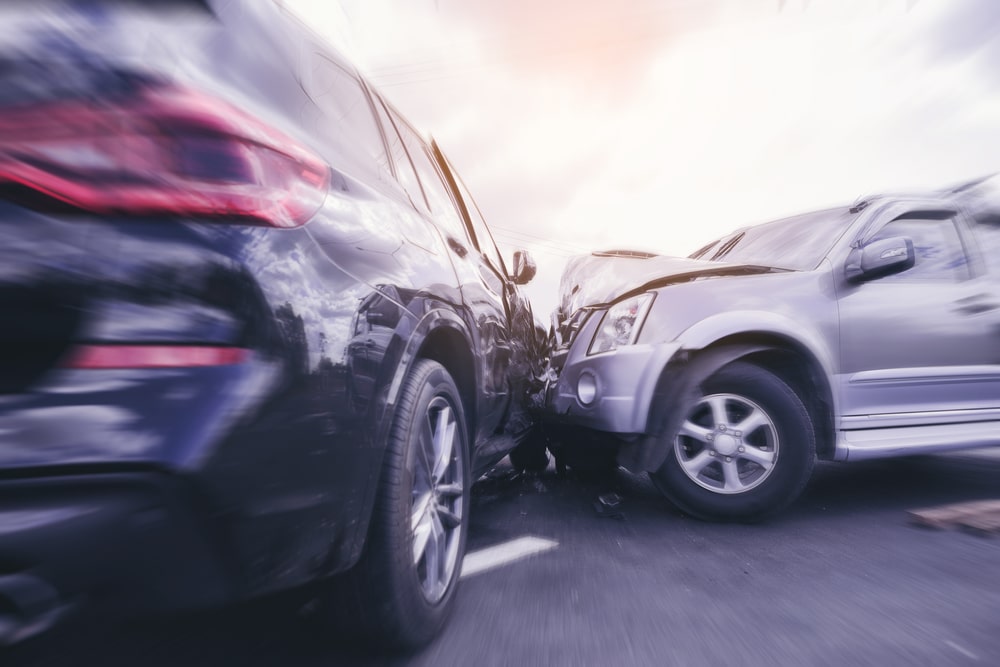
The strongest wrongful death cases after fatal car accidents in Fort Lauderdale rely on physical and digital evidence that tells the story of the collision in precise, measurable terms. This evidence often determines whether a wrongful death claim moves forward.
What Event Data Recorders Reveal About a Deadly Collision
Most vehicles manufactured after 2014 contain an event data recorder, or EDR, sometimes referred to as a vehicle black box. The National Highway Traffic Safety Administration (NHTSA) regulates these devices under 49 CFR Part 563.
An EDR captures data in the seconds before and during a crash, including details that a police report and witness accounts might miss entirely. The types of information an EDR typically records include:
- Vehicle speed at specific intervals before impact
- Whether the driver applied the brakes and at what point
- Throttle position and acceleration patterns leading up to the collision
- Seatbelt status for the driver and front passenger
- Airbag deployment timing and sequence
EDR data provides an objective, time-stamped record of what the vehicle did before the crash. When an at-fault driver claims they were traveling at the speed limit or hit the brakes in time, the EDR data may tell a completely different story. That contradiction often becomes a turning point in proving negligence in a deadly car accident.
How Accident Reconstruction Connects the Evidence to Negligence
Crash reconstruction professionals analyze physical evidence from the scene, including skid marks, vehicle damage patterns, debris fields, and road conditions, alongside the EDR data and any available video footage. Their analysis reconstructs how the fatal collision occurred.
In Fort Lauderdale, where high-speed corridors like I-95 and complex intersections along Broward Boulevard and Sunrise Boulevard see frequent deadly crashes, reconstruction work often reveals contributing factors that the initial investigation missed.
A reconstruction might show that the at-fault driver changed lanes without checking a blind spot, failed to yield at a left turn, or accelerated through a yellow light that turned red before they entered the intersection.
This type of detailed analysis strengthens a wrongful death after a car crash in Florida by connecting the at-fault driver's specific actions to the specific cause of death.
How Traffic Violations Support a Fatal Car Accident Wrongful Death Claim?

Traffic violations documented at the crash scene or discovered through investigation may serve as direct evidence of the at-fault driver's breach of duty. A violation alone does not prove wrongful death, but it provides a factual anchor that connects the driver's behavior to the fatal outcome.
Violations That Frequently Appear in Fort Lauderdale Fatal Crash Claims
Certain traffic violations carry more weight in wrongful death cases because they reflect a clear departure from the standard of care every driver owes to others on the road.
In fatal collision cases across Fort Lauderdale and Broward County, the following violations appear frequently:
- Running a red light or stop sign at a high-traffic intersection
- Exceeding the posted speed limit by a significant margin, particularly in school zones or residential areas
- Driving under the influence of alcohol or drugs, as confirmed by toxicology results
- Failing to yield the right of way during a left turn or at a merge point
- Texting or using a handheld device while driving, in violation of Florida Statute 316.305
A traffic citation issued at the scene of a fatal crash does not automatically establish civil liability. However, when paired with EDR data, reconstruction analysis, and witness testimony, a documented violation may serve as the central piece of an estate claim after a fatal crash in Florida.
How Criminal Charges and Civil Wrongful Death Claims Proceed Independently
A fatal car accident may lead to both criminal charges, such as vehicular homicide or DUI manslaughter, and a civil wrongful death lawsuit. These two proceedings operate independently under Florida law.
A criminal conviction is not required to pursue a civil claim. Likewise, a not-guilty verdict in criminal court does not prevent a wrongful death lawsuit from moving forward.
The burden of proof in a civil case is a preponderance of the evidence, which is a lower standard than the beyond a reasonable doubt standard used in criminal proceedings. Evidence that falls short of a criminal conviction may still support a wrongful death recovery in civil court.
Why Does Timing Matter So Much in a Fatal Car Accident Wrongful Death Case?
Evidence in a fatal car accident case has a limited shelf life. Physical conditions at the crash scene change within hours as traffic resumes and weather affects the road surface. EDR data may be overwritten if the vehicle is started again or moved to a salvage yard. Witness memories fade with each passing week.
Evidence That May Disappear Without Immediate Preservation
Several categories of evidence require prompt action to secure and protect from loss:
- EDR data, which may be overwritten or destroyed if the vehicle is repaired, scrapped, or powered back on
- Traffic camera and surveillance footage from nearby businesses, which many systems record over within 30 to 90 days
- Physical evidence at the crash scene, including tire marks, fluid spills, and road gouges that weather and traffic degrade quickly
- Cell phone records from the at-fault driver, which may require a legal preservation letter to prevent routine deletion
Florida's two-year statute of limitations for wrongful death, set by Florida Statute 95.11, provides a firm deadline for filing a lawsuit. But the practical window for gathering strong evidence is much shorter. Families who contact a fatal car accident attorney early give their legal team the best opportunity to secure the records and data that may define the outcome of the case.
How Florida's Comparative Negligence Threshold Affects Your Claim
Under Florida Statute 768.81, as amended by the 2023 tort reform law, a party found more than 50% at fault may not recover any damages. In a wrongful death case, the insurance company has every incentive to argue that the deceased driver shared most of the blame for the collision.
Early evidence preservation directly counters these tactics. Securing EDR data, dashcam footage, and witness statements before they degrade or disappear helps build a factual record that accurately reflects what happened and who bears responsibility.
How Englander Peebles Helps After a Fatal Car Accident Wrongful Death in Fort Lauderdale

After a fatal auto accident, families face pressure from insurance adjusters, questions about estate administration, and grief that makes it hard to focus on legal timelines. Englander Peebles represents families across Fort Lauderdale, Miami, and the broader Broward County area in wrongful death cases tied specifically to car accidents.
Working Directly With Founding Attorneys
Gary Englander and Warren Peebles handle each case personally. You communicate with your attorney throughout the process rather than getting handed off to support staff. That direct relationship matters when time-sensitive evidence needs preservation and insurance companies are already building their defense.
Identifying Whether Your Case Supports a Wrongful Death Claim
Our team evaluates the crash evidence to determine whether negligence in the deadly car accident rises to the level of a wrongful death civil claim. That evaluation includes reviewing the police report, obtaining the vehicle's event data recorder information, analyzing witness statements, and consulting with accident reconstruction professionals.
If the evidence supports a claim, Englander Peebles advances all case costs on a contingency fee basis. You typically do not pay attorney fees unless the case results in a recovery. Reach out today to speak with a Fort Lauderdale wrongful death attorney about your situation.
FAQs for Fatal Car Accident Wrongful Death in Fort Lauderdale
Does a fatal car accident automatically lead to a wrongful death lawsuit?
No. A wrongful death lawsuit requires evidence that another party's negligence, recklessness, or wrongful act caused the death. If the crash resulted from an unavoidable medical event or a truly unforeseeable circumstance, a wrongful death claim may not apply. The evidence from the crash scene, vehicle data, and investigation determines whether a civil claim exists.
Who has the right to file a wrongful death lawsuit after a fatal car accident in Florida?
Under Florida Statute 768.20, only the personal representative of the deceased person's estate may file the lawsuit. That person files on behalf of the estate and all eligible surviving family members. If the deceased did not have a will naming a representative, the probate court appoints one.
How does event data recorder evidence affect a wrongful death case?
EDR data provides an objective record of what the vehicle did in the seconds before and during the crash, including speed, braking, and acceleration. This data may confirm or contradict the at-fault driver's account of the collision and often serves as a central piece of evidence in proving negligence.
What if the at-fault driver received no traffic citations at the scene?
The absence of a citation does not prevent a wrongful death claim. Police officers base citations on what they observe at the scene, and they may not have access to EDR data, full witness accounts, or video footage at that point. An independent investigation may uncover negligence that the initial report missed entirely.
How long do families have to file a wrongful death lawsuit after a fatal car accident in Florida?
Florida law provides a two-year statute of limitations from the date of death under Florida Statute 95.11. However, the practical window for preserving physical and digital evidence is much shorter. Contacting an attorney as soon as possible helps protect evidence that may otherwise be lost within days or weeks of the crash.
Take Action Now if You Lost a Loved One in a Fatal Car Accident Wrongful Death in Fort Lauderdale
Evidence that distinguishes a traffic fatality from a wrongful death lawsuit may already face the risk of loss. Event data recorder information, nearby surveillance footage, and physical crash scene evidence remain available only for a limited period. Delays may allow key details to fade or disappear, which may affect how a fatal auto accident civil claim develops.
Englander Peebles represents families across Fort Lauderdale, Miami, and Broward County who pursue wrongful death claims after fatal car accidents. Contact the firm today for a free consultation to discuss whether the circumstances of the crash may support a fatal car accident wrongful death claim in Fort Lauderdale.