Understanding Apartment Security Failures in South Florida
Key Takeaways: When a Fort Lauderdale apartment fails to provide adequate security and someone is injured by a third party's criminal act, liability can fall on the owner, lessor, operator, or manager under Fla. Stat. §768.0701. Florida law identifies concrete security measures, working locks, deadbolts, cameras, adequate lighting, and secured gates, that owners of multifamily properties can implement. While not mandated, these measures benchmark reasonable security in negligence claims. Owners who substantially implement specified measures may earn a presumption against liability, but they bear the burden of proving compliance. Landlords must properly screen employees, and vetting lapses can factor into negligence claims. The 2023 tort reform under HB 837 shortened the filing deadline to two years, shifted Florida to modified comparative negligence, and now allows some fault assigned to the criminal actor. Because these claims depend on foreseeability, evidence, and timing, acting quickly to preserve proof and consulting an attorney is critical.
When you are hurt because an apartment complex ignored basic safety, you are usually not the only one at fault, and often not at fault at all. Under Florida law, responsibility for an injury caused by a third party's crime on rental property can fall on the owner, property manager, operator, or others who controlled the premises. If a Fort Lauderdale apartment failed to install working locks, adequate lighting, or functioning cameras, and that failure enabled an attack, the people who ran that property may be legally accountable. Determining liability depends on who controlled the property, what security measures existed, and whether the danger was foreseeable.
If you or a loved one was injured on an unsafe rental property, Englander Peebles can help you understand your options. Call our team at 954-226-9134 or reach out through our online contact form to discuss what happened.
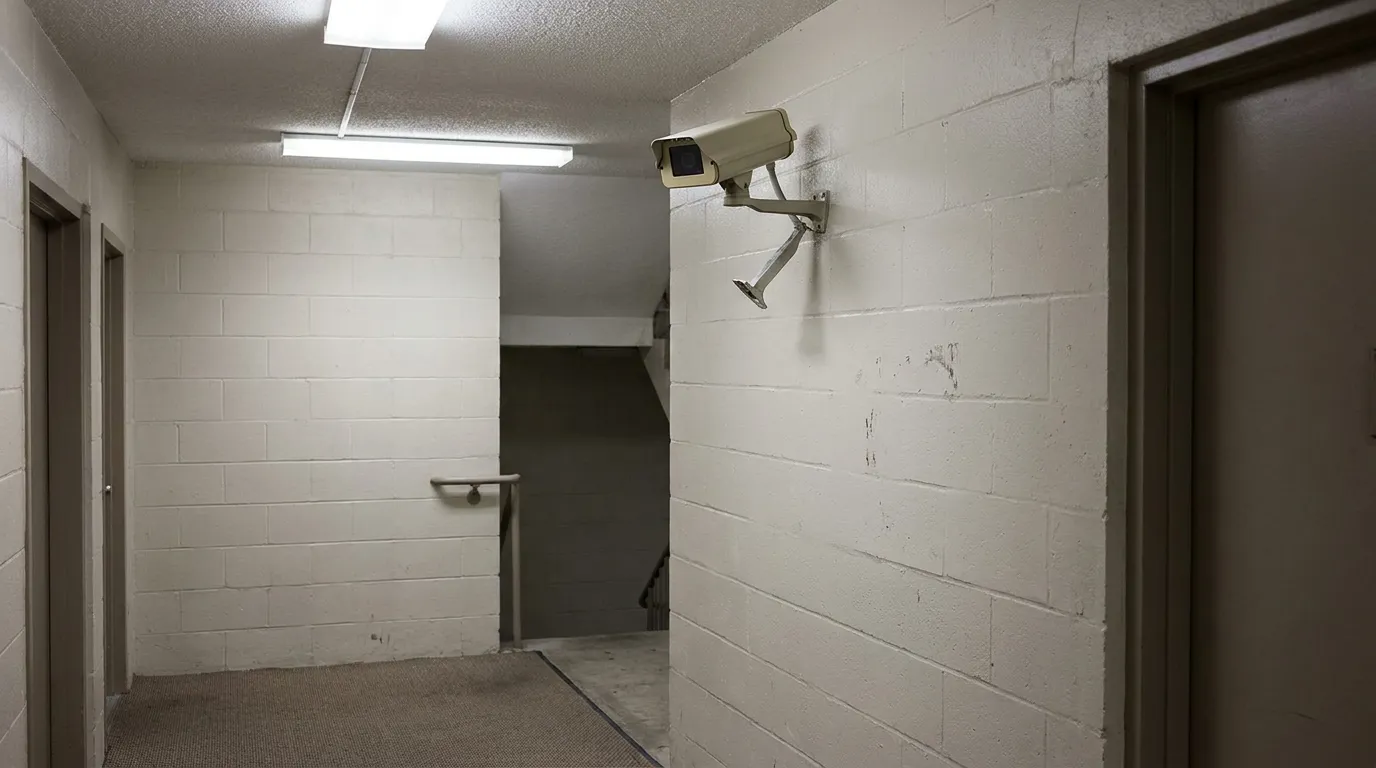
Who Florida Law Identifies as Potentially Liable
Florida law names specific parties who may answer for an injury caused by a third party's criminal act on a property. The statute makes clear that responsible parties can include more than just the deed holder. When a tenant, guest, or worker is hurt because a property was left dangerously unsecured, several parties may share blame depending on their role and control.
According to Fla. Stat. §768.0701, in an action for damages against the owner, lessor, operator, or manager of commercial or real property brought by a person lawfully on the property who was injured by a third party's criminal act, the trier of fact must consider the fault of all persons who contributed to the injury. An apartment owner, leasing company, management firm, or on-site operator can each be examined for their part in an incident. This shared-fault framework is central to property owner liability in Fort Lauderdale.
💡 Pro Tip: Save every lease document, maintenance request, and complaint you made about broken locks, dark parking lots, or malfunctioning gates. These records establish that the property knew about a hazard and did nothing.
What the Law Requires Under Negligent Security Florida Standards
Florida sets out concrete security measures that owners of multifamily properties can voluntarily implement to gain a legal advantage. Although the statute does not mandate these measures, they give injured tenants a useful yardstick for gauging reasonable security. The statute applies to residential buildings with at least five dwelling units on a parcel, covering most Fort Lauderdale apartment communities.
Under Fla. Stat. §768.0706(2)(a), listed security measures include:
- Security camera system at entry and exit points recording and retaining footage for at least 30 days
- Parking lot lighting averaging at least 1.8 foot-candles per square foot from dusk to dawn
- Lighting in walkways, laundry rooms, common areas, and porches
- One-inch deadbolt on each dwelling unit door
- Locking devices on windows and exterior sliding doors
- Locked gates with key or fob access along pool fence areas
- Peephole or door viewer on each unit door
A property's failure to provide these measures can be relevant evidence in an inadequate security claim in Ft Lauderdale. To qualify for the presumption against liability, an owner or principal operator must, by January 1, 2025, obtain a crime prevention through environmental design assessment no more than three years old and provide proper crime deterrence and safety training to current employees and new staff within 60 days of hire, under Fla. Stat. §768.0706(2)(b)-(c). An owner who ignores these steps loses that protection and may struggle to argue the community was adequately secured.
The Presumption Against Liability and Who Must Prove It
Florida gives compliant property owners a shield, but the burden of proving compliance rests on them, not on you. If an owner or principal operator substantially implements the specified measures, they may earn a presumption against liability for criminal acts by third parties who are not their employees or agents. This defense is powerful but not automatic.
Importantly, Fla. Stat. §768.0706(3) places the burden of proof on the owner or operator to show substantial implementation. Fla. Stat. §768.0706(5) states the section does not create a private cause of action, meaning injured victims pursue claims under general common-law premises liability principles. Our overview of what a negligent security claim involves explains these claims in plain language.
Employee Screening and Landlord Negligence in Florida
Florida requires apartment landlords to screen staff, and hiring practices can factor into negligent security analysis. A community that hires without vetting may face added scrutiny after an incident.
Under Fla. Stat. §83.515(1)-(2), landlords must have each employee undergo background screening through a consumer reporting agency, consistent with the federal Fair Credit Reporting Act, including criminal-history checks and sexual predator and offender registry checks across all 50 states and D.C. Fla. Stat. §83.515(3) allows landlords to disqualify applicants convicted of crimes showing disregard for safety and violent crimes including murder, sexual battery, robbery, carjacking, home-invasion robbery, and stalking. When a property skips these safeguards, that lapse may support a landlord negligence claim in Florida.
💡 Pro Tip: Photograph the scene as soon as it is safe. Capture broken gates, burned-out lights, propped-open doors, and missing cameras before the property repairs them.
How Florida's 2023 Tort Reform Reshaped These Claims
A major 2023 law changed the rules for apartment security liability across Florida. These changes affect deadlines, fault-sharing, and recovery amounts. Understanding them early protects your claim.
House Bill 837, effective March 24, 2023, reduced the statute of limitations for general negligence cases from four years to two years, according to the American Tort Reform Association's summary of HB 837. Injured apartment tenants now have roughly half the time they once had to file.
The reform also changed how fault is divided. HB 837 shifted Florida from pure to modified comparative negligence, so a plaintiff found more than 50% at fault generally cannot recover damages. It requires the trier of fact to consider the fault of all persons who contributed to the injury and establishes a presumption against liability in certain situations.
| Legal Change Under HB 837 | Practical Effect on Apartment Injury Claims |
|---|---|
| Statute of limitations cut to two years | Less time to file, so acting quickly matters |
| Modified comparative negligence | Recovery barred if you are more than 50% at fault |
| Fault of all contributors considered | Liability may be shared with the criminal actor |
This fault-allocation shift is significant. Fla. Stat. §768.0701 overrides the prior rule that shielded intentional criminal actors from apportionment. Some liability can now be assigned to the third-party wrongdoer, potentially reducing the share placed on the apartment owner or manager.
💡 Pro Tip: Do not give a recorded statement to an insurance adjuster before speaking with an attorney. Adjusters may use comparative negligence arguments to shift blame onto you.
Building a Strong Apartment Assault Claim in Florida
Winning a negligent security case in South Florida generally requires proving foreseeability, breach, causation, and damages. Foreseeability often turns on prior crime in the area or on the property. Documentation separates strong claims from weak ones.
Evidence includes police reports, prior incident records, tenant complaints, security-camera footage, and testimony about lighting and lock conditions. Because footage may only be retained briefly, contacting a lawyer quickly can mean the difference between preserving key proof and losing it. A knowledgeable negligent security lawyer in Fort Lauderdale can send preservation letters and gather records before they disappear. Our team of dedicated premises liability attorneys in Fort Lauderdale can review the facts and explain your options.
Frequently Asked Questions
1. Who can I sue after an assault at my Fort Lauderdale apartment?
You may be able to pursue the owner, lessor, operator, or manager of the property. Fla. Stat. §768.0701 allows a person lawfully on the property to bring an action when injured by a third party's criminal act, and the trier of fact must weigh the fault of everyone who contributed.
2. How long do I have to file a negligent security claim in Florida?
Florida generally allows two years for these claims. HB 837 reduced the general negligence deadline from four years to two years as of March 24, 2023. Confirm your deadline with an attorney promptly.
3. Can I still recover if I was partly at fault?
Possibly, but your recovery may be reduced or barred. Under Florida's modified comparative negligence system, a plaintiff who is more than 50% at fault generally cannot recover. If your share is below that threshold, damages are reduced by your percentage of fault.
4. What if the apartment had cameras and lighting already?
Substantial compliance can give the owner a presumption against liability, but it is not the end of the case. Fla. Stat. §768.0706(3) requires the owner to prove substantial implementation of specified measures. Whether they met the standard is often a fact-dependent question courts examine closely.
5. Does this law create an automatic right to sue?
No. Fla. Stat. §768.0706(5) states the statute does not create a private cause of action. Injured tenants and guests pursue claims under common-law premises liability principles, which is why guidance from a negligent security attorney in Ft Lauderdale is valuable.
Protecting Your Rights After an Unsafe Apartment Injury
When an apartment community fails to provide the security Florida law expects, the owner, manager, or operator may be held accountable. The 2023 reforms shortened deadlines, changed how fault is divided, and gave compliant owners a defense they must prove. Because outcomes depend heavily on specific facts, evidence, and timing, acting quickly and preserving proof can make a meaningful difference.
If you were injured because a Fort Lauderdale property ignored basic safety, the team at Englander Peebles is ready to listen. Call us today for a free consultation at 954-226-9134, or contact us now to share your story and learn how we can help.