In most Florida rideshare accidents, you cannot sue Uber or Lyft directly for a driver's negligence because drivers are classified as independent contractors. However, you may still recover compensation through the company's insurance policy or by proving the company's own negligence.
Many people assume that seeing a rideshare company's logo in the app means the company is legally responsible for the driver's actions. In practice, these platforms operate under a structure that separates the company from the driver's day-to-day conduct on the road.
Whether the rideshare company can be named in a lawsuit depends on factors such as the driver's status in the app at the time of the crash and the specific circumstances surrounding the collision. In many cases, pursuing compensation involves working through the platform's layered insurance coverage rather than filing a direct claim against the corporation itself.
Key Takeaways About Suing Uber After an Accident in Florida
- Florida law generally protects rideshare companies from liability for driver negligence due to the independent contractor status of the drivers.
- You might hold a company directly liable if you can prove negligent hiring, such as a failure to conduct a background check required by state law.
- Corporate insurance policies provide significant coverage during active rides, even if the corporation itself is not a named defendant in a lawsuit.
- The legal doctrine of vicarious liability generally does not apply to Uber or Lyft in Florida because drivers do not meet the legal definition of employees.
- Preserving digital evidence from the rideshare application is an important step for building a strong case against any party.
Does Vicarious Liability Apply to Uber Accidents in Florida?
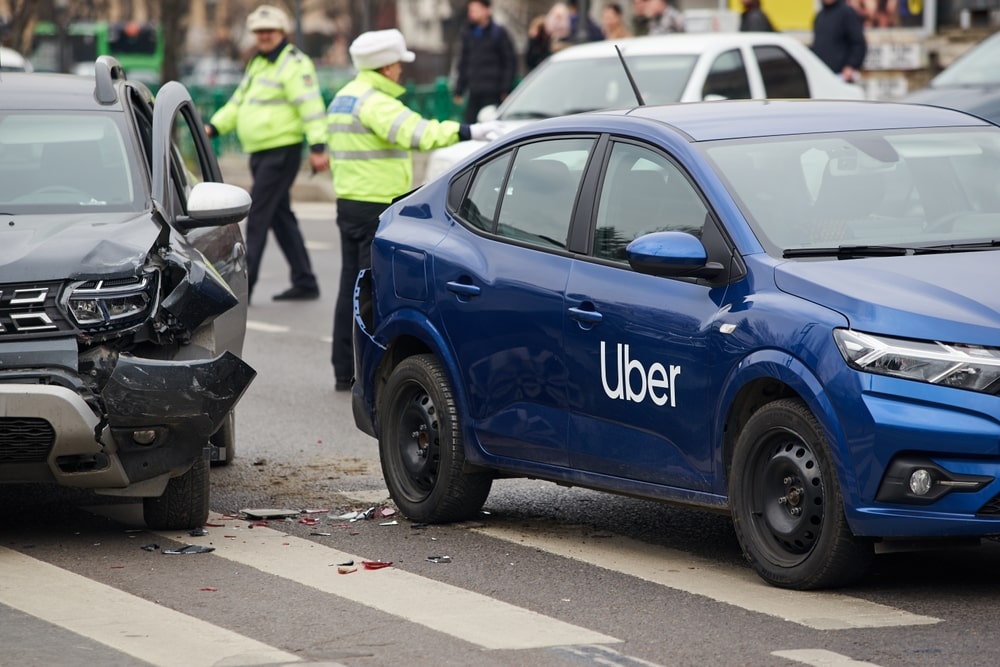
Vicarious liability is a legal rule that makes an employer responsible for the actions of their employees while they are working. In Florida, this rule is difficult to apply to rideshare companies because they classify their drivers as independent contractors under Florida Statute 627.748. This statute states that drivers are not employees if certain conditions are met, such as the driver having the right to choose their own hours.
Identifying Exceptions To The Independent Contractor Rule
Because of these laws, suing Uber after an accident in Florida usually means filing a claim against the insurance policy they provide rather than the company as a whole. However, if a driver does not meet the requirements of the statute, a court might examine whether they function as an employee. This could open the door for a lawsuit based on the actions of the driver during the course of their work.
- The company dictates the specific route the driver must take during every trip.
- The driver is prohibited from working for other competing rideshare platforms.
- The platform provides the vehicle and pays for all maintenance and fuel costs.
- The company sets specific shifts that the driver is required to work each week.
Legal professionals must carefully examine the contract between the driver and the app to see if any employee-like restrictions exist. The classification of a worker remains a central point of contention in modern personal injury litigation.
Can You Claim Negligent Hiring Uber Driver Fault?
Negligent hiring occurs when a company brings on a worker they knew or should have known was a danger to the public. Florida law requires rideshare platforms to conduct background checks and review driving records before allowing someone to pick up passengers.
If a company ignores a history of reckless driving or violent crime, you might have grounds for a direct lawsuit against the corporation.
Proving Fault In The Hiring Process
To succeed with a claim for negligent hiring Uber driver errors, you must show that the company failed in its duty to vet the individual. This involves looking back at the driver's history at the moment they were onboarded by the app. If the platform skipped a required safety step, they may be directly responsible for the harm that followed.
- Failing to check the National Sex Offender Public Website for a history of criminal acts.
- Ignoring a driver record that shows multiple recent citations for speeding or reckless driving.
- Allowing a driver to remain on the platform after passengers reported dangerous behaviors.
- Permitting a driver to operate a vehicle that does not meet the safety standards of the state.
A direct claim against the corporation requires evidence that their internal processes were flawed or ignored. Identifying these corporate failures is often the only way to reach beyond the standard insurance policy limits.
Understanding Corporate Responsibility In A Rideshare Accident

Corporate liability focuses on the actions of the company itself rather than the driver on the road. This might include issues with the app software that distracts drivers or encourages speeding to reach a destination. If the technology creates a hazard that leads to a crash, the corporation may face a lawsuit for its own negligence.
Addressing Technological Distractions And Safety
Platforms frequently send notifications to drivers while they are in motion, which might lead to distracted driving. If a company designs an interface that requires constant interaction while driving on busy roads like Las Olas Boulevard, they might be liable for crashes. This type of claim looks at the platform design as a potential cause of the incident.
- Software updates that cause the application to malfunction during a trip.
- Algorithms that might pressure drivers to complete trips faster than safety allows.
- Failure to implement safety features like speed monitoring or fatigue alerts.
When the technology itself plays a role in the collision, the focus of the litigation shifts toward the engineers and corporate executives. These cases involve complex technical evidence and expert testimony to prove the connection between the software and the crash.
What Are The Challenges Of Suing Uber After Accident Florida?
The legal system in Florida has undergone significant changes that impact how you file a lawsuit after a collision. Florida Statute 95.11 was updated to shorten the time limit for filing a negligence claim to two years from the date of the accident. This shorter window means you must act quickly to investigate corporate involvement.
Navigating Modified Comparative Negligence
Florida also uses a modified comparative negligence system under Florida Statute 768.81. If a jury finds you are more than 50% at fault for the accident, you are barred from recovering any money from the other parties. This same comparative fault rule applies to bicycle accident claims and other personal injury cases in Florida.
This rule makes it even more important to have clear evidence showing the negligence of the rideshare driver or the platform.
- Statements from witnesses who saw the driver looking at their phone before the impact.
- Traffic camera footage from intersections near the Art District or the beach.
- Logs from the rideshare app showing the driver was interacting with the screen.
- Police reports that document the failure of the driver to follow traffic laws.
Your own actions during the crash will likely face close scrutiny from corporate defense attorneys. Protecting your claim often requires a strategy that clearly demonstrates the other party's negligence while addressing any arguments about shared fault.
The Role Of The Insurance Policy In Corporate Liability
While you may want to sue the company directly, the $1 million insurance policy is often the most practical path to recovery. This policy covers bodily injury and property damage when the driver is actively on a trip or has a passenger in the car. Even if the company is not a named defendant, this high-limit policy is provided by the corporation to handle these exact scenarios.
Distinguishing Between App Phases
The available insurance changes based on what the driver was doing at the time of the crash. If the app was off, only the personal insurance of the driver applies. If the driver was waiting for a request, the limits are much lower than the $1 million policy.
- App Off: Only the personal insurance policy of the driver is available.
- App On (Waiting for Trip): Contingent liability coverage with lower state-mandated limits.
- Trip Accepted or Passenger in Vehicle: The $1 million primary commercial insurance policy.
A rideshare accident lawyer must verify the app status to confirm you are seeking money from the correct policy. The transition between these phases happens quickly, and the impact on your claim is substantial.
How Englander Peebles Helps Victims Of Rideshare Collisions
Englander Peebles advocates for individuals injured in high-traffic areas across South Florida, including Sunrise Boulevard and Federal Highway. We focus on identifying every available source of recovery for clients who face medical bills and lost wages after a crash. Our firm investigates the details of your collision to see if corporate responsibility or specific platform failures apply to your case.
The legal team manages the communication with insurance carriers and tech companies so you can focus on your physical rehabilitation. We gather police reports, medical documentation, and electronic data to determine which insurance layer should cover your losses. We understand the specific rules that apply to platforms operating near the Fort Lauderdale-Hollywood International Airport and other local landmarks.
- Reviewing the background check records of the driver to identify potential safety violations.
- Requesting and securing digital activity logs directly from the rideshare platform.
- Identifying the correct insurance tier based on the driver activity at the time of the crash.
- Negotiating with corporate legal teams to seek a settlement that covers your long-term needs.
Securing these digital records quickly is a strategic priority before the platforms overwrite the data or delete trip histories. Proving the exact status of the driver is the only way to confirm which insurance limits apply to your injury claim.
FAQs For Suing Uber After an Accident In Florida
Can I sue Uber if the driver was an independent contractor?
In most cases, you cannot sue Uber directly for the negligent driving of an independent contractor in Florida. You must instead file a claim against the insurance policy provided by the platform for that trip. You may only sue the company directly if you can prove they were personally negligent in hiring or supervising the driver.
What is rideshare company liability Florida for background checks?
Florida law requires rideshare companies to conduct background checks periodically and specifically re-screen drivers every three years. If a company fails to perform this check or ignores a disqualifying criminal record, they may be liable for negligent hiring. This creates a direct link between the corporate office and the injuries caused by the driver.
Does vicarious liability Uber Florida apply to my medical bills?
Vicarious liability generally does not apply because drivers are not classified as employees under Florida law. However, the commercial insurance policy covers your medical bills and lost wages if the driver was at fault. This provides a similar result to vicarious liability without needing to prove an employer-employee relationship.
Can I name the rideshare company as a defendant in my lawsuit?
You may name the company if you have a specific claim against them, such as negligent hiring or defective software. If the only issue is the driving of the individual, the insurance carrier is typically the party involved in the litigation. A lawyer may help you determine if the facts of your case support naming the corporation as a party.
What happens if the rideshare driver was not logged into the app?
If the driver was not logged into the app, the corporate insurance policy will generally not provide coverage. You must seek recovery through the personal auto insurance of the driver or your own uninsured motorist coverage. The company generally has no liability for the actions of drivers when they are off the clock and using their vehicle for personal reasons.
Take Action On Suing Uber After an Accident in Florida
Understanding corporate responsibility in a rideshare crash often requires familiarity with Florida statutes and the digital records created by the rideshare platform. If you were injured in a collision, you may have the right to pursue compensation, but Florida's two-year statute of limitations limits how long you have to file a claim.
Englander Peebles represents people injured in rideshare accidents and works to identify the parties and insurance policies that may cover your losses. Contact our office for a case evaluation to learn more about your legal options. Our firm handles these cases on a contingency fee basis, so attorney fees are only paid if we recover compensation for your claim.