A single rear-end collision on I-95 during rush hour may set off a chain reaction that involves three, four, or even more vehicles before the wreckage stops moving. When that happens, the question of who caused the crash becomes far more complicated than it is in a two-car accident.
Multi-vehicle accident liability in Florida depends on how fault is divided among every driver involved, and the percentage assigned to you directly affects whether you recover compensation at all. If you were injured in a pileup or chain reaction crash in Fort Lauderdale or anywhere in South Florida, contact Englander Peebles for a free consultation.
Key Takeaways About Multi-Vehicle Accident Liability in Florida
- In a multi-vehicle crash, fault may be divided among three or more drivers, and each driver's percentage of responsibility directly affects the compensation they may recover.
- Florida's modified comparative negligence law bars you from recovering any damages if you are assigned more than 50% of the fault for the collision.
- The driver who initiated the chain reaction does not automatically bear 100% of the liability, because subsequent drivers may share fault for following too closely or failing to brake in time.
- Florida has abolished joint and several liability in most negligence cases, meaning each at-fault driver is responsible only for their own percentage of damages rather than the total.
- Physical evidence including event data recorder information, surveillance footage, and crash reconstruction analysis plays a major role in sorting out fault among multiple drivers.
How Florida Determines Fault in a Multi-Vehicle Accident

Florida's fault system creates higher stakes in a multi-vehicle accident than in a standard two-car collision. Under Florida Statute 768.81, as amended by the 2023 tort reform law, any party found more than 50% at fault for their own harm may not recover damages. In a two-car crash, the fault split typically falls between two drivers. In a pileup, it spreads across three, four, or more.
Why the 50% Threshold Creates Greater Risk in a Chain Reaction Crash
When multiple drivers share fault, the percentages assigned to each one become smaller and more contested. A driver in a three-car pileup might face a 30% fault allocation from one insurer and a 55% allocation from another. The difference between those two numbers determines whether that driver recovers compensation or walks away with nothing.
Insurance companies representing each driver have a strong incentive to push as much fault as possible onto the other parties, including you. In a chain reaction crash on a Fort Lauderdale highway, every percentage point matters because crossing the 50% threshold eliminates your right to recover entirely.
How Florida Law Divides Fault Among Multiple Drivers in a Pileup
Florida law requires the trier of fact, whether a jury or a judge, to assign a specific percentage of fault to each party involved in the collision. Under the same statute, Florida has abolished joint and several liability in most negligence cases. This means each at-fault driver is responsible only for their own share of the damages, not the total amount.
The following factors typically influence how fault gets allocated in a pileup accident lawsuit in Florida:
- Whether each driver maintained a safe following distance before the collision, as required under Florida Statute 316.0895
- How quickly each driver reacted to the initial impact or the slowing traffic ahead of them
- Whether any driver was speeding, distracted by a phone, or impaired by alcohol or drugs at the time of the crash
- Whether road conditions, weather, or reduced visibility contributed to a particular driver's inability to stop in time
- Whether any driver made an evasive maneuver that redirected the impact into another vehicle
No single factor determines the outcome. Fault allocation in a multi-car accident reflects the combined weight of all the evidence against each driver, which is why thorough investigation of every vehicle and every driver in the chain matters so much.
What Makes Chain Reaction Crashes on Fort Lauderdale Highways So Difficult to Sort Out?
A chain reaction crash unfolds in seconds, but the sequence of impacts determines who bears responsibility for each set of injuries. The driver who initiated the first collision may bear primary fault, but drivers further down the chain may share liability if their own negligence contributed to the damage.
The Sequence of Impacts Problem in a Multi-Vehicle Collision
In a typical chain reaction crash, Driver A rear-ends Driver B, pushing Driver B into Driver C. At first glance, Driver A appears to be at fault for the entire chain. But the reality is rarely that straightforward, and several complicating factors frequently arise in Fort Lauderdale pileup cases:
- Driver B may have been following too closely behind Driver C, meaning Driver B would have collided with Driver C regardless of what Driver A did
- Driver C may have stopped abruptly without functioning brake lights, contributing to the initial collision behind them
- A fourth or fifth vehicle may have entered the chain after the first impact, adding new layers of fault from drivers who failed to slow down for visible wreckage ahead
- One or more drivers in the chain may have been distracted, impaired, or speeding independently of the initiating collision
Untangling this sequence requires physical evidence that shows the order of impacts, the speed of each vehicle, and the timing of each collision within the chain.
Event data recorder information, damage patterns on the front and rear of each vehicle, and crash reconstruction analysis all contribute to building an accurate timeline that ties each driver's conduct to specific consequences.
Where Multi-Vehicle Crashes Happen Most Often in Broward County
Fort Lauderdale's highway network creates conditions that frequently produce chain reaction collisions. Heavy traffic on I-95, sudden slowdowns near the I-595 interchange, congestion along I-75 approaching Sawgrass Expressway, and stop-and-go patterns on Broward Boulevard and Sunrise Boulevard all contribute to rear-end pileups.
These high-traffic corridors combine speed, volume, and unpredictable braking patterns in ways that increase the risk of multi-vehicle crashes. When a pileup occurs at highway speed, the injuries tend to be more severe and the fault allocation more difficult to resolve than in a surface street collision.
What Evidence Matters Most When Proving Multi-Vehicle Accident Liability in Florida?
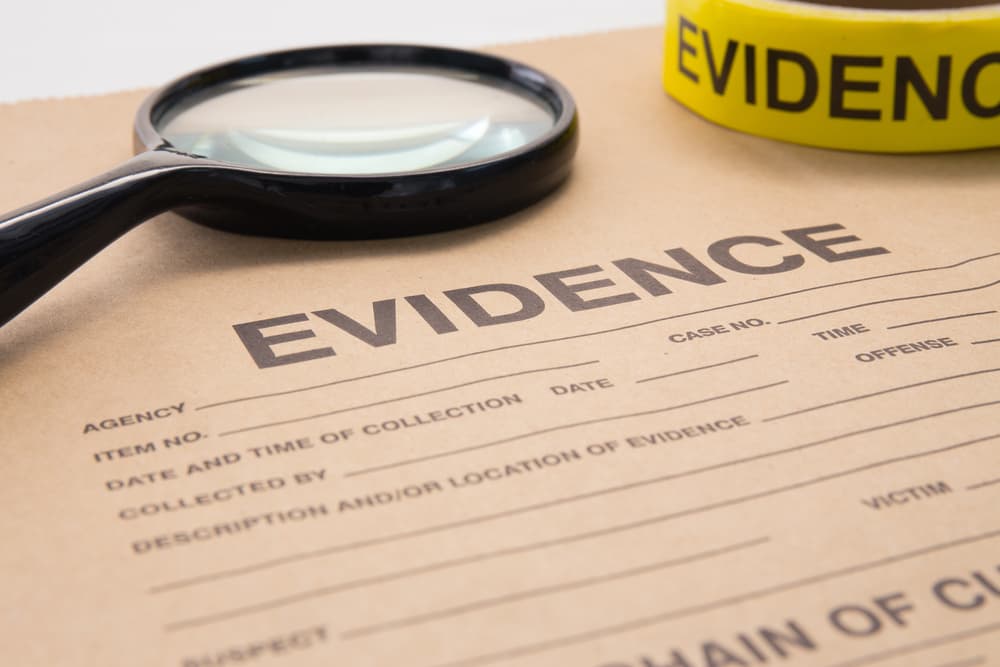
Sorting out shared liability in a multi-car accident requires evidence that goes well beyond the police report. Officers arriving at the scene of a pileup face a chaotic situation with multiple damaged vehicles, conflicting driver accounts, and physical evidence that may be difficult to interpret on the spot.
Types of Evidence That Prove Fault in a Chain Reaction Crash in Fort Lauderdale
The following categories of evidence play the largest role in establishing fault allocation among multiple drivers in a South Florida multi-vehicle collision:
- Event data recorder information from each vehicle, showing speed, braking, and throttle data in the seconds before each impact in the chain
- Damage patterns on the front and rear of each vehicle, which help reconstruction professionals determine the order and force of each collision
- Surveillance and traffic camera footage from highway monitoring systems, nearby businesses, or dashcam recordings from vehicles in or near the pileup
- Witness statements from drivers, passengers, and bystanders who observed the sequence of collisions from different vantage points along the roadway
- Cell phone records from each driver, which may reveal whether texting or phone use contributed to a delayed reaction
Each piece of evidence fills in a portion of the timeline. In a multi-car crash, no single source of proof tells the full story, and the strongest cases rely on multiple categories of evidence working together to establish which driver's negligence set the chain in motion and which drivers compounded the damage through their own conduct.
How Do Insurance Companies Handle Shared Liability in a Multi-Car Accident in Florida?
Multi-vehicle collisions bring multiple insurance companies to the table, each one representing a different driver and each one working to minimize its own financial exposure. This creates a dynamic where your claim may face resistance from several directions at once.
Common Insurance Tactics in Pileup Accident Claims
Insurance adjusters in a multi-vehicle crash case typically focus on the following approaches to limit their policyholder's liability and reduce what they pay:
- Shifting as much fault as possible onto other drivers in the chain, including you, to reduce or eliminate their insured's share of the damages
- Disputing the sequence of impacts to argue their policyholder was pushed into the collision rather than independently negligent
- Offering quick settlements before the full scope of injuries and fault allocation becomes clear, hoping to close the claim for less than it may be worth
- Requesting recorded statements from you early in the process, looking for inconsistencies they may use to assign you a higher percentage of fault
When multiple insurers deploy these tactics simultaneously, the pressure to accept a low offer or concede fault increases significantly.
Having a car accident attorney who handles all communications with each insurance company and documents the evidence supporting your version of the collision sequence helps protect your recovery from being eroded by competing blame-shifting strategies.
How Does the 50% Bar Affect Your Recovery After a Fort Lauderdale Pileup Accident?
The modified comparative negligence threshold under Florida Statute 768.81 has a particularly sharp impact in multi-vehicle cases. When fault spreads across three or more drivers, the risk of being assigned more than 50% may seem lower at first glance.
But insurance companies and defense attorneys work aggressively to consolidate fault onto the fewest number of drivers possible, and you may be their primary target.
Protecting Your Fault Percentage in a Multi-Driver Collision
Your attorney's goal in a multi-vehicle case is to build a factual record that accurately reflects every driver's contribution to the crash. The types of evidence that tend to protect your fault percentage in a Fort Lauderdale pileup include:
- EDR data from your vehicle showing you maintained a safe speed and applied the brakes within a reasonable reaction time
- Dashcam footage from your vehicle or a nearby car confirming you were driving attentively and maintained adequate following distance
- Witness testimony from passengers or bystanders who observed your driving behavior before the chain reaction began
- Damage patterns on your vehicle that align with being struck from behind rather than initiating contact with the vehicle ahead of you
If the evidence shows you were maintaining a safe following distance, traveling at an appropriate speed, and reacted reasonably to the collision unfolding ahead of you, the case for assigning you a high fault percentage weakens considerably. The 50% bar only applies if the evidence supports it, and a well-documented case may prevent the other side from reaching that threshold.
How Does Englander Peebles Handle Multi-Vehicle Accident Liability Claims in Fort Lauderdale?
Multi-car accidents produce disputes that two-car crashes rarely do. With three or more drivers pointing fingers at each other and multiple insurance companies involved, the fault allocation process becomes a contest over percentages that directly determine your recovery. Englander Peebles represents injured drivers across Fort Lauderdale, Miami, and Broward County in complex multi-vehicle collision cases.
Attorneys Who Manage Your Case Personally
Founding attorneys Gary Englander and Warren Peebles handle each multi-vehicle case directly. You work with your attorney at every stage rather than getting passed to support staff. In a case where fault allocation among multiple parties determines the outcome, that direct involvement and attention to the evidence makes a tangible difference.
Investigating Every Driver and Every Insurance Policy
Our team reviews police reports, obtains event data recorder information from each vehicle, secures surveillance footage, and coordinates with crash reconstruction professionals to map the full sequence of the collision. We also identify every applicable insurance policy, because multi-car crashes in Fort Lauderdale often involve overlapping coverage from multiple carriers.
Englander Peebles handles these cases on a contingency fee basis, and you typically do not pay attorney fees unless the case results in a recovery. Reach out today to speak with a Fort Lauderdale car accident attorney about your multi-vehicle collision.
FAQs for Multi-Vehicle Accident Liability in Florida
Who pays for my injuries if multiple drivers share fault in a chain reaction crash?
Each at-fault driver's insurance may be responsible for a portion of your damages based on their assigned percentage of fault. Because Florida has abolished joint and several liability in most negligence cases, each driver's insurer is responsible only for that driver's proportional share. Your attorney identifies every liable party and every applicable policy to maximize the sources of recovery available to you.
Does the driver who started the chain reaction always bear the most fault?
Not necessarily. While the initiating driver often bears primary responsibility, other drivers in the chain may share fault if they were following too closely, driving while distracted, or failed to react within a reasonable time. Fault allocation depends on the specific evidence against each driver in the collision sequence.
What if one of the at-fault drivers in the pileup has no insurance?
Your own uninsured motorist (UM) or underinsured motorist (UIM) coverage may provide a source of recovery for the portion of damages attributable to the uninsured driver. Florida does not require drivers to carry bodily injury liability insurance, which means uninsured and underinsured drivers are a common factor in multi-vehicle crashes across Broward County and South Florida.
How long do I have to file a lawsuit after a multi-vehicle crash in Florida?
Under Florida Statute 95.11, the statute of limitations for negligence-based injury claims is two years from the date of the accident for crashes occurring after March 24, 2023. Missing that deadline bars you from pursuing compensation regardless of how fault is allocated among the drivers.
Does a police report determine fault in a multi-vehicle accident in Florida?
No. A police report documents the responding officer's observations and may include a preliminary fault assessment, but it does not serve as a binding legal determination. Your attorney may use additional evidence, including crash reconstruction, EDR data, and independent witness testimony, to challenge or supplement the conclusions in the police report.
Take Action Now to Protect Your Multi-Vehicle Accident Claim in Fort Lauderdale
The longer a multi-vehicle crash case sits without investigation, the harder it becomes to establish the collision sequence and assign fault accurately. EDR data may be lost if vehicles are repaired or sent to salvage yards.
Surveillance footage from highway cameras and nearby businesses may be overwritten within weeks. Witnesses scatter, and the details they remember become less precise with each passing day.
Englander Peebles represents injured drivers across Fort Lauderdale and Miami in complex multi-vehicle accident claims where shared liability and the 50% comparative fault threshold are central issues. Contact the firm today for a free consultation and begin building the evidence your case needs.