Construction zones in Fort Lauderdale and Miami can be risky places for both workers and bystanders. Heavy machinery, unsafe scaffolding, and hazardous materials make accidents all too common. If you suffered an injury because someone didn’t take proper safety measures, you have every right to know what went wrong and who’s responsible.
Falls from heights cause many construction injuries, but electrical hazards, falling debris, and equipment failures are also frequent dangers. Knowing how these accidents happen reveals when negligence played a role and when it’s time to take action. Talk to a construction accident lawyer at Englander Peebles to learn how they can support your recovery.
Key Takeaways: Common Construction Accident Types
- Falls from scaffolding, ladders, and roofs represent the most frequent type of construction accident, causing serious injuries.
- Falling objects strike workers and pedestrians when materials aren't properly secured or work zones lack adequate protection.
- Vehicle and heavy equipment accidents occur when operators act negligently or when site safety protocols fail.
- Electrocution hazards from exposed wiring and power lines cause devastating injuries at construction sites.
- Trench and excavation collapses trap workers and cause catastrophic injuries or death.
- Slip and fall accidents on construction debris, uneven surfaces, and hazardous materials injure workers and visitors.
- Call a personal injury attorney to evaluate your legal options after any construction-related accident.
Falls from Heights
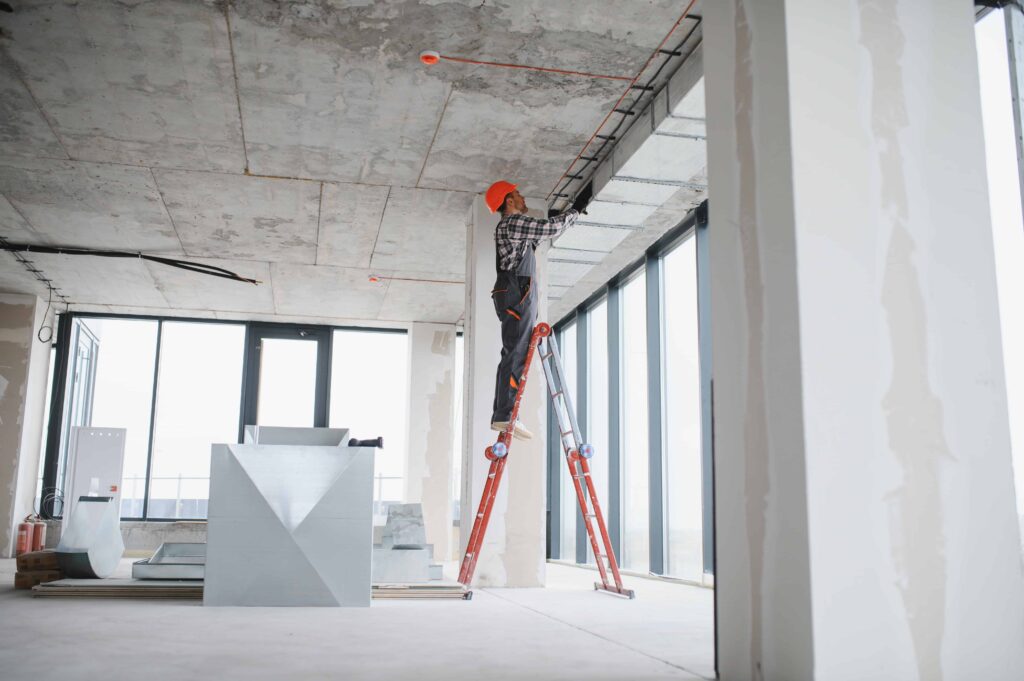
Falls from heights cause more construction injuries and deaths than any other accident. Ignoring safety rules puts workers on scaffolds, ladders, and roofs in danger. Scaffolds collapse when built poorly, worn parts fail, or workers lack proper training. Ladders placed on unstable surfaces or used incorrectly often lead to severe injuries.
Roof work is especially risky without guardrails, harnesses, or safety nets. Florida weather increases hazards with sudden rain and strong winds. When contractors neglect safety, lives are at risk. Injured workers in Fort Lauderdale and Miami can seek help from Englander Peebles' construction accident lawyers.
Falling Objects and Struck-By Accidents
Construction sites involve constant movement of materials, tools, and equipment at different heights. When objects fall, they can strike workers or pedestrians, causing head injuries, fractures, or even death.
Tools dropped from scaffolds or upper floors can become deadly projectiles, and hard hats alone may not prevent serious harm. Workers must secure building materials like lumber, pipes, and steel beams to prevent shifting or collapse. Crane accidents often happen when workers fail to fasten loads properly or when rigging fails.
Debris and waste near edges can also fall without warning. When contractors neglect barriers, safety gear, or cleanup, they endanger everyone nearby. Investigating these struck-by accidents involves finding what failed, why it happened, and who was responsible.
Vehicle and Heavy Equipment Accidents
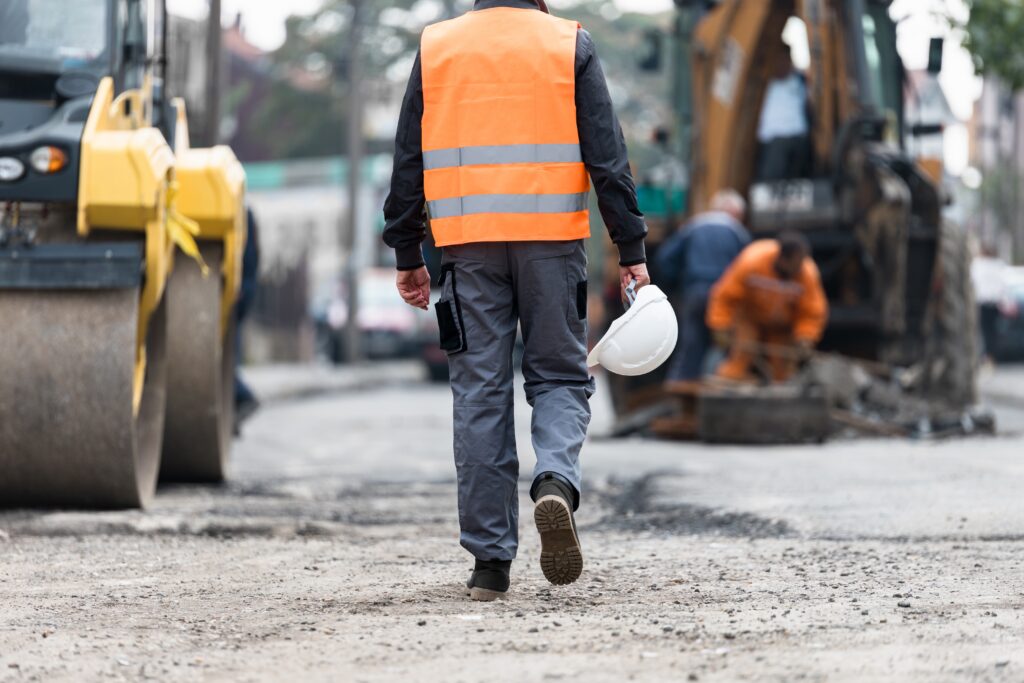
Construction sites often have vehicles and heavy equipment moving in tight areas with poor visibility. Forklifts, bulldozers, dump trucks, and cement mixers pose serious risks to workers nearby.
Backing accidents happen when operators can’t see behind them, especially without mirrors, cameras, or spotters. Rollovers occur when machines operate on uneven ground or slopes, crushing anyone in their path. Poor maintenance can cause brake, steering, or hydraulic failures that lead to loss of control.
Untrained operators make these risks worse. Traffic near construction zones is also dangerous when signs or barriers are missing. Englander Peebles personal injury attorneys in Fort Lauderdale and Miami help victims of construction equipment accidents seek fair compensation.
Electrocution Hazards
Electrical hazards at construction sites often cause life-threatening injuries. Contact with power lines, exposed wiring, or faulty equipment can lead to burns, cardiac problems, or death. Overhead lines endanger workers using cranes, ladders, or scaffolds, while underground cables pose hidden risks during excavation.
Temporary power setups with damaged cords or poor grounding add further danger. Wet Florida conditions make electrocution more likely since water conducts electricity. Ground fault circuit interrupters help prevent shocks but are often missing or broken. When untrained workers handle electrical tasks, contractors act negligently.
Trench and Excavation Collapses
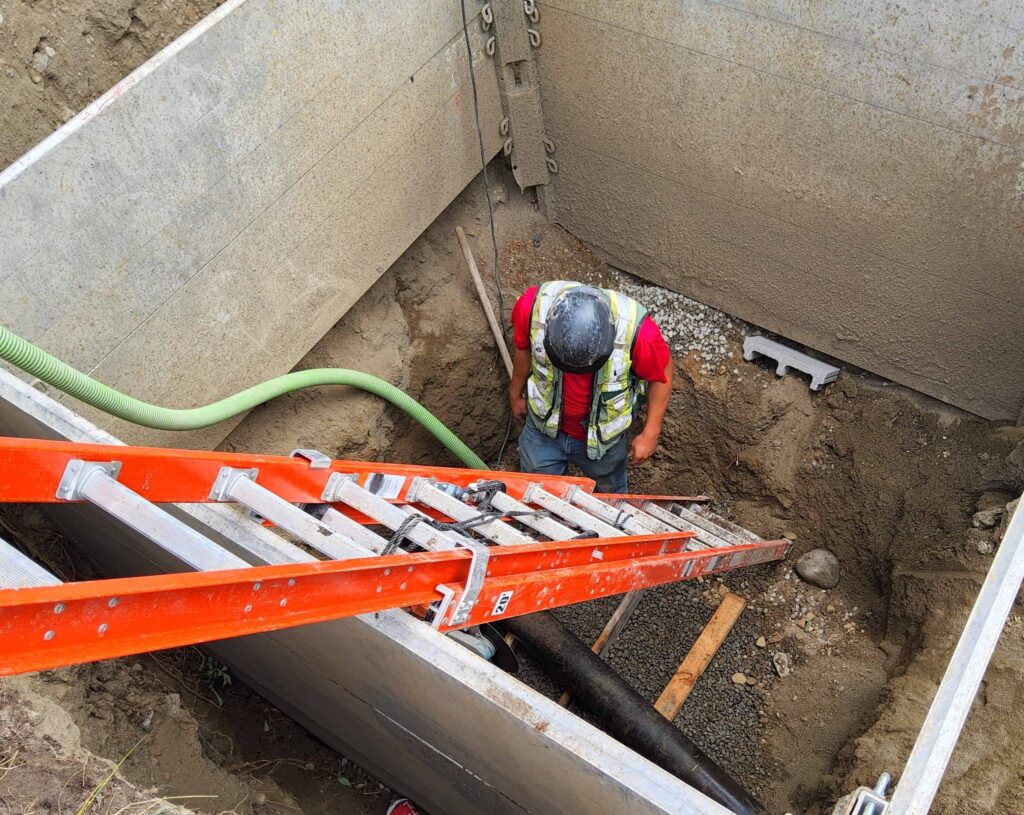
Excavation work creates deadly hazards when trenches and excavations aren't properly shored, sloped, or otherwise protected. Cave-ins can bury workers within seconds, causing suffocation, crushing injuries, or death. These accidents are entirely preventable with proper safety measures.
OSHA regulations require specific protections for trenches deeper than five feet. Workers must use shoring systems, sloping, or benching to prevent cave-ins. When contractors ignore these requirements, they're not just violating regulations—they're endangering lives.
Soil conditions affect excavation stability. Clay, Sand, and other soil types have different characteristics that determine what safety measures are necessary. Proper analysis of soil conditions should guide decisions about excavation protection. Contractors who don't account for soil type create unreasonable dangers.
Water accumulation in trenches and excavations increases collapse risk. Pumping systems should remove water to maintain stability. Standing water also creates additional hazards, including drowning risk if a collapse traps workers.
Excavations near existing structures require extra caution. Digging can undermine foundations and cause buildings or walls to collapse into the excavation. Engineering analysis should identify these risks before work begins.
Equipment operating near excavation edges can cause vibrations that trigger collapses. Load limits near trenches must be established and enforced. Heavy equipment shouldn't operate close to excavation edges without proper precautions.
Rescue operations after trench collapses face significant challenges. Every second matters when workers are trapped, but rescuers must proceed carefully to avoid secondary collapses. The trauma of being buried alive causes psychological damage even for survivors who aren't physically injured.
South Florida's sandy soils present particular challenges for excavation safety. Sand collapses more easily than other soil types, requiring more extensive protective measures. Contractors working in this region should be especially vigilant about trench safety.
Slip, Trip, and Fall Accidents on Construction Sites
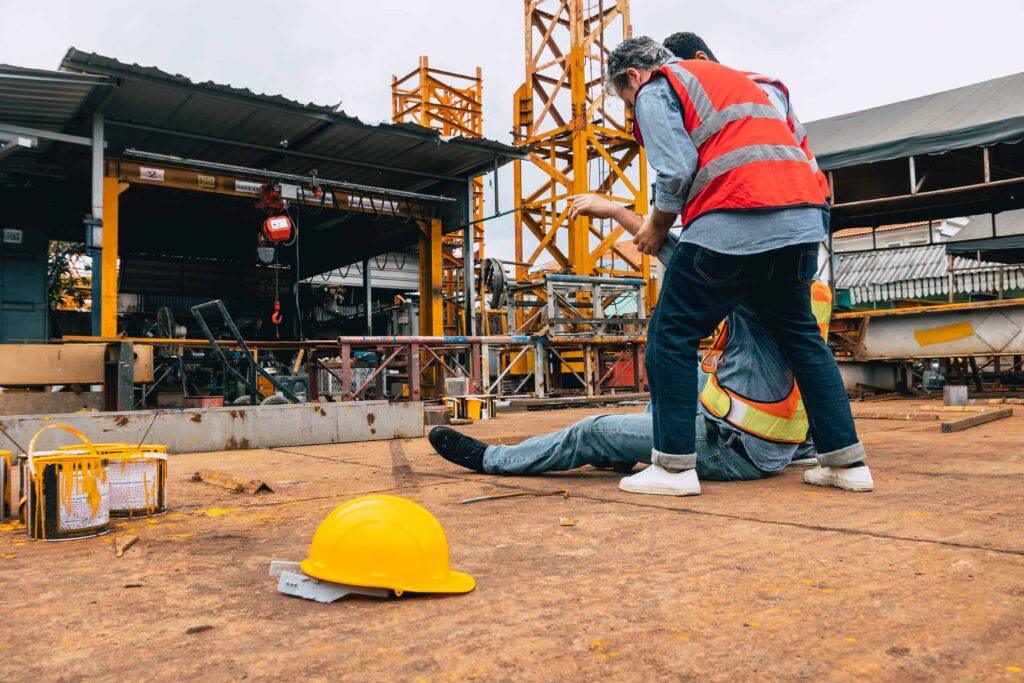
Construction sites feature numerous hazards at ground level that cause slip, trip, and fall accidents. While these falls may not involve the heights discussed earlier, they still cause serious injuries, including broken bones, head trauma, and back injuries.
Construction debris, including wood scraps, nails, concrete chunks, and discarded materials, creates tripping hazards throughout work sites. Proper housekeeping requires regular cleanup and debris removal. Sites that allow trash and materials to accumulate create unreasonable dangers.
Uneven surfaces result from excavation work, material storage, and ground disturbances. Workers navigating these areas can easily trip and fall. Adequate lighting, clearly marked pathways, and proper site organization help prevent these accidents.
Spilled materials, including oil, concrete, paint, and other substances, make surfaces slippery. Immediate cleanup should follow any spill. Warning signs should alert workers to slippery conditions until cleanup is complete.
Mud and water accumulation during Florida's frequent rains create slip hazards. Proper drainage and walkway materials help manage these conditions, and workers should have appropriate footwear for wet conditions.
Electrical cords, hoses, and cables running across walkways create trip hazards. These should be covered, elevated, or routed away from foot traffic areas. The temporary nature of construction makes proper cord management challenging but necessary.
Inadequate lighting contributes to trip and fall accidents. Construction work often begins early or continues late when natural light is limited. Proper artificial lighting should illuminate all work areas and pathways.
Construction sites near or within existing buildings pose risks to visitors and occupants who aren't familiar with construction hazards. Clear barriers, warning signs, and safe pathways should protect the public from construction-related slip and fall dangers.
Property owners who fail to maintain safe conditions at construction sites share liability when visitors suffer an injury. Business owners, landlords, and municipalities all have duties to ensure that construction work doesn't create unreasonable hazards for others.
Multiple Parties and Complex Liability
Construction accidents often involve several responsible parties, making liability complex. General contractors oversee overall site safety and must ensure compliance with regulations. When they fail to coordinate safety measures or address hazards, they can be held liable.
Subcontractors are accountable for protecting their workers and others on-site. An electrical subcontractor who causes an electrocution or a framing subcontractor who builds unsafe scaffolding may face legal action. Property owners may also share blame when they control parts of the project or ignore known dangers.
Equipment manufacturers can be liable for defective tools, scaffolds, or safety gear that cause injuries. In some cases, government entities are responsible for failing to inspect sites or maintain safe public areas. Identifying all liable parties helps victims recover full compensation through multiple insurance policies. Our lawyers in Fort Lauderdale and Miami carefully investigate each construction accident to determine fault and pursue every possible source of recovery.
Legal Rights After Construction Accidents

Construction accident victims have rights whether they were working at the site or injured as bystanders. The type of claim depends on how the accident happened and who was responsible.
Non-workers hurt by construction hazards can file personal injury claims to recover medical costs, lost income, and compensation for pain and suffering. Pedestrians hit by falling debris, motorists injured in construction zones, or nearby property owners whose buildings were damaged may all pursue compensation.
In some cases, several parties share blame, and third-party claims can hold each accountable. Property owners may also face liability when they fail to ensure contractors maintain safe conditions or allow hazards to extend beyond the site.
Investigations should start immediately to preserve evidence such as photos, safety logs, and witness accounts before they disappear. OSHA regulations help establish fault since violations often prove negligence.
Why Legal Representation Matters
Construction accident cases involve technical issues, multiple potential defendants, and substantial damages, making legal representation essential. Insurance companies defending these claims invest significant resources to minimize their exposure.
Attorneys who handle construction accident cases work with professionals, including accident reconstruction specialists, safety consultants, engineers, and medical professionals. These professionals provide testimony explaining how accidents occurred, what safety measures should have been in place, and what your injuries will cost over time.
Legal knowledge allows construction accident attorneys to identify all applicable safety regulations and determine the violations that occurred. Understanding OSHA standards, building codes, and industry practices requires specific knowledge that most injury victims don't possess.
Insurance coverage issues in construction cases can be complex. Multiple policies from different insurers may provide coverage. Understanding how these policies interact and ensuring all available coverage is accessed requires legal guidance.
The damages in serious construction accidents often run into hundreds of thousands or millions of dollars when accounting for medical expenses, lost earning capacity, pain and suffering, and future needs. Cases involving these stakes require thorough preparation and aggressive advocacy.
FAQ: Construction Accident Types and Claims
Can I file a claim if I was just walking near a construction site when I suffered an injury?
Yes, pedestrians and others injured by construction site hazards have the right to file personal injury claims against responsible parties. Property owners and contractors have duties to protect the public from construction dangers.
What if multiple contractors were working at the site when my accident happened?
Multiple contractors may share liability for your injuries. Your attorney will investigate to identify the parties contributing to the dangerous conditions and seek compensation from all responsible defendants.
How do I prove the construction company was negligent?
Evidence, including safety regulation violations, witness testimony, accident scene documentation, and professional opinions, all help prove negligence. Your attorney gathers and presents this evidence to establish liability.
What if the accident involved defective equipment?
Defective equipment supports product liability claims against manufacturers in addition to negligence claims against contractors. These separate legal theories can provide multiple sources of compensation.
How long do I have to file a construction accident claim in Florida?
Florida's statute of limitations generally gives you two years from the accident date to file a personal injury lawsuit. However, some circumstances may affect this deadline, so consult an attorney promptly to protect your rights.
Reach Out to Englander Peebles About Your Construction Accident Case
If you've suffered an injury in or near a construction zone because of negligent safety practices or hazardous conditions, our personal injury attorneys at Englander Peebles want to help. We offer free consultations to evaluate your case and explain your legal options. You don't pay attorney fees unless we recover compensation for you.
Construction accident cases involve strict deadlines and complex liability issues that require prompt legal attention. Don't wait to take action. Call us today at (954) 226-9134 or contact us online to speak with a personal injury lawyer who understands construction accidents and knows how to fight for maximum compensation. We serve clients throughout Fort Lauderdale, Miami, and the surrounding areas. Let us handle the legal complexities while you focus on recovery.