Focused Legal Help From a Dedicated Property Damage Attorney in Miami
Not every law firm understands the challenges of dealing with property insurers in South Florida. Englander Peebles does. As a firm rooted in this community, we know how disruptive property damage can be—whether it’s caused by fire, flood, vandalism, burst pipes, or other unexpected events. The financial strain is real, but so is the emotional toll. When you work with us, you work directly with experienced attorneys—not case managers or a revolving door of staff. Your case gets the focused attention it deserves. We don’t represent insurance companies. Our commitment is to policyholders—individuals, families, and business owners—who need their property repaired and their claims honored. If your insurer is dragging its feet or acting in bad faith, we’re here to hold them accountable and fight for the compensation you’re owed.How Property Damage Claims Differ From Personal Injury Lawsuits
Although both fall under civil litigation, property damage claims are structurally different from personal injury cases. Personal injury claims revolve around physical harm to a person and often involve liability disputes, pain and suffering calculations, and medical evidence. Property damage claims, on the other hand, are largely contract-based. The terms of your insurance policy govern the dispute. Success often hinges on interpreting policy language, documenting repair estimates, and proving the timing and cause of damage. These claims are less about proving fault and more about holding the insurer to its contractual responsibilities. If you're more familiar with personal injury lawsuits, don't expect the same process here. Property damage litigation is document-heavy and can involve third-party experts such as contractors, engineers, and appraisers.What Happens After You Hire a Property Damage Lawyer in Miami
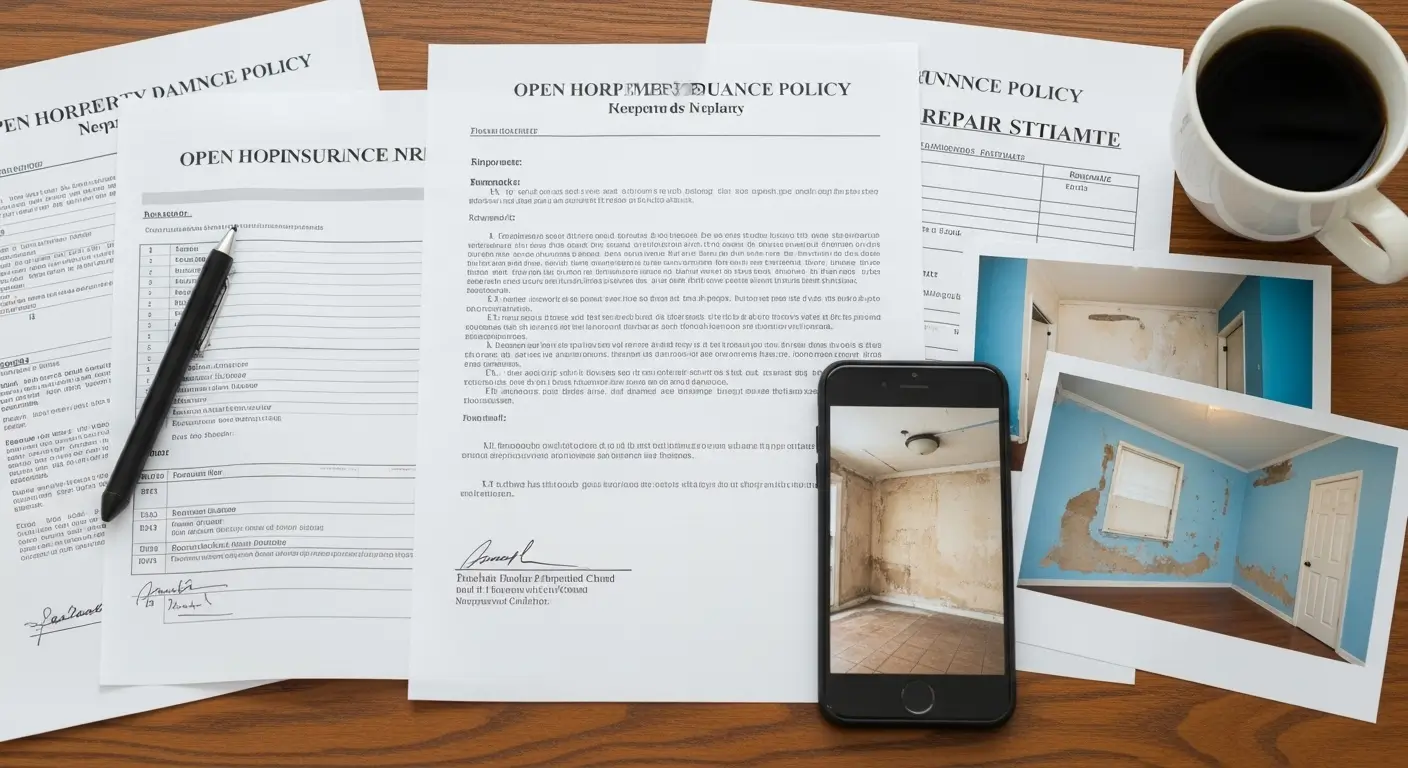 Once you contact a Miami property damage lawyer, the legal process typically unfolds in a series of clear, strategic steps. While each case is unique, most follow this general progression:
Week 1–2: Initial Review and Damage Assessment
Your attorney will begin by thoroughly reviewing your insurance policy to understand its terms, coverage limits, and exclusions. They’ll collect essential documents—such as the policy itself, any correspondence with your insurer, and photos or videos of the damage. You’ll also receive detailed instructions on how to preserve evidence, document the loss, and track related expenses, such as temporary repairs or alternative housing. This early phase sets the foundation for your claim.Week 3–4: Formal Demand Preparation
Once the damage has been assessed and all necessary documentation compiled, your attorney prepares and submits a formal demand letter to your insurance company. This letter outlines the scope of the damage and requests compensation in accordance with your policy. It may include repair estimates from licensed contractors, receipts for out-of-pocket costs, detailed photographs, and expert reports from engineers, appraisers, or inspectors. The goal is to present a well-supported, fact-based demand that places the insurer on notice.Month 2–3: Negotiations with the Insurer
During this stage, your attorney will begin direct negotiations with the insurer’s adjusters or legal representatives. Many claims are resolved at this point through settlement discussions. Your attorney will advocate for a full and fair payout, pushing back against lowball offers or attempts to undervalue your losses. If the insurer resists, delays without valid reasons, or refuses to make a reasonable offer, your attorney may advise moving forward with litigation.Month 3 and Beyond: Litigation, If Necessary
If a fair settlement cannot be reached, your case may proceed to litigation. This process begins with filing a formal complaint in court. Discovery follows, where both sides exchange evidence, take depositions, and may consult additional experts. Depending on the facts and complexity of your case, litigation may also involve mediation, settlement conferences, or, in rare cases, a trial. While litigation takes longer, it can be a powerful tool to compel insurers to meet their obligations.Your Rights Under Florida Property Insurance Law
Florida law imposes clear responsibilities on insurers and provides strong protections for policyholders—especially after storms or other disasters. For example, under the current version of Florida Statutes § 627.70131, insurers must:- Acknowledge receipt of a property insurance claim within 7 days of receiving notice.
- Begin investigating the claim without unnecessary delay.
- Pay any undisputed amounts of benefits within 60 days, unless prevented by circumstances outside their control.
- The right to receive timely updates and decisions from your insurance company.
- The right to dispute claims decisions that are unfair, delayed, or inadequately explained.
- The right to consult legal counsel or file a complaint with Florida’s insurance regulators if your insurer does not comply.
Storm, Water, Fire & Mold: Common Property Damage in Miami
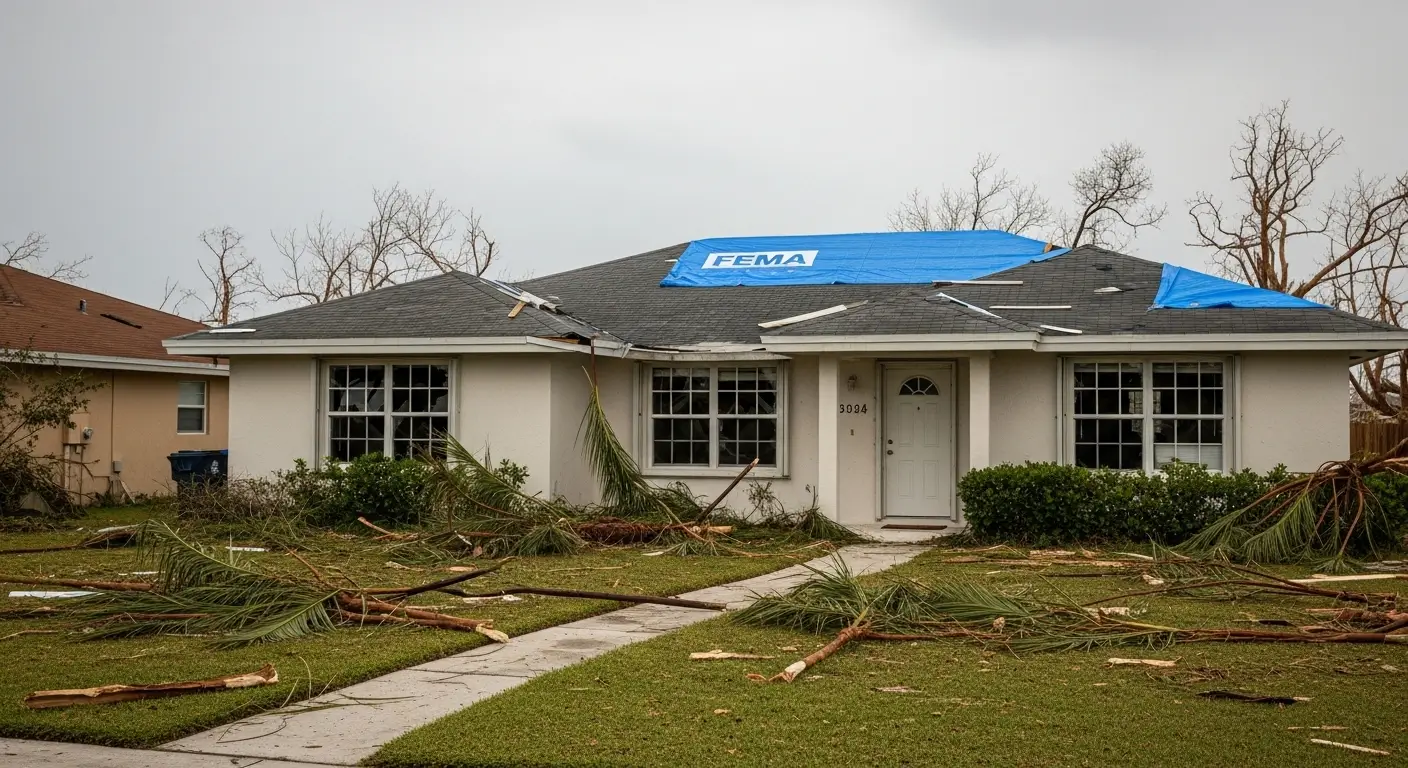 Living in South Florida means facing frequent threats to your property. From hurricanes and tropical storms to floods and fires, the environment can be brutal—and insurance companies aren’t always eager to help.
Hurricane damage often triggers disputes over what caused the harm. Insurance providers might say the damage predated the storm or fall back on ambiguous exclusions to avoid paying. Wind and water from hurricanes are among the most common causes of property claims in coastal areas like Miami.
Water and mold damage can become a nightmare when adjusters deny claims based on policy loopholes. Even limited fire or smoke damage can shut down a home or business for weeks—especially when insurers delay the resolution process.
Roof leak claims bring their own set of hurdles. Insurers like to argue over whether the leak was sudden or developed over time, which affects whether they’ll cover the repairs. High winds that rip off roofing or break windows usually lead to water intrusion—and more disputes about coverage.
All of these scenarios disrupt your life or your business. And when your claim gets delayed, underpaid, or denied, the stress only multiplies.
Living in South Florida means facing frequent threats to your property. From hurricanes and tropical storms to floods and fires, the environment can be brutal—and insurance companies aren’t always eager to help.
Hurricane damage often triggers disputes over what caused the harm. Insurance providers might say the damage predated the storm or fall back on ambiguous exclusions to avoid paying. Wind and water from hurricanes are among the most common causes of property claims in coastal areas like Miami.
Water and mold damage can become a nightmare when adjusters deny claims based on policy loopholes. Even limited fire or smoke damage can shut down a home or business for weeks—especially when insurers delay the resolution process.
Roof leak claims bring their own set of hurdles. Insurers like to argue over whether the leak was sudden or developed over time, which affects whether they’ll cover the repairs. High winds that rip off roofing or break windows usually lead to water intrusion—and more disputes about coverage.
All of these scenarios disrupt your life or your business. And when your claim gets delayed, underpaid, or denied, the stress only multiplies.
Why Your Property Damage Claim Was Denied in Miami
 Property insurance is supposed to protect your investment. In practice, insurers sometimes work harder to avoid paying claims than to fulfill them. These delays often occur despite state laws like Florida Statutes § 627.70131, which requires insurers to acknowledge and act on claims within specific timeframes.
Tactics include offering payouts that fall far short of what repairs will cost, asking for excessive documentation, or citing vague policy terms. In some cases, they blame the property owner for the damage—arguing that poor maintenance or pre-existing conditions are to blame. These tactics often feel intentional—and in some cases, they are.
Property insurance is supposed to protect your investment. In practice, insurers sometimes work harder to avoid paying claims than to fulfill them. These delays often occur despite state laws like Florida Statutes § 627.70131, which requires insurers to acknowledge and act on claims within specific timeframes.
Tactics include offering payouts that fall far short of what repairs will cost, asking for excessive documentation, or citing vague policy terms. In some cases, they blame the property owner for the damage—arguing that poor maintenance or pre-existing conditions are to blame. These tactics often feel intentional—and in some cases, they are.