Key Takeaways: Claiming Compensation for Bicycle Accidents
- You can claim compensation when another party's negligence caused your bicycle accident and resulting injuries.
- Compensation covers medical expenses, lost income, property damage, pain and suffering, and other accident-related losses.
- Florida operates under a no-fault insurance system for some accidents, but serious bicycle injuries often allow you to step outside this system.
- Depending on the accident circumstances, multiple parties may be liable, including drivers, property owners, government entities, or manufacturers.
- Insurance companies frequently undervalue or deny bicycle accident claims without proper legal representation.
- Time limits apply to filing claims, and prompt action is necessary to protect your rights.
- Call a bicycle accident attorney to evaluate your case and pursue the compensation you deserve.
Legal Rights of Cyclists in Florida
 Under Florida law, cyclists have the same rights and responsibilities as motor vehicle operators. When riding your bicycle on public roads, drivers must treat you with the same respect and caution they show other vehicles. This legal framework provides the foundation for compensation claims when drivers violate these duties.
Florida Statutes Section 316.2065 specifically addresses bicycle regulations and establishes that cyclists lawfully using roadways have rights that drivers must respect. When a driver fails to yield, follows too closely, or otherwise acts negligently toward a cyclist, they breach their duty of care. This breach forms the basis of your compensation claim.
Many drivers don't fully understand or respect cyclists' rights. They may honk, pass too closely, or make aggressive maneuvers that endanger cyclists. When these behaviors result in accidents, the drivers are legally responsible for the harm they cause. Our bicycle accident lawyers at Englander Peebles work to hold these negligent parties accountable.
Your status as a cyclist doesn't diminish your right to safe passage on public roads. Courts in Broward and Miami-Dade Counties regularly hear bicycle accident cases and understand the unique vulnerabilities cyclists face.
Under Florida law, cyclists have the same rights and responsibilities as motor vehicle operators. When riding your bicycle on public roads, drivers must treat you with the same respect and caution they show other vehicles. This legal framework provides the foundation for compensation claims when drivers violate these duties.
Florida Statutes Section 316.2065 specifically addresses bicycle regulations and establishes that cyclists lawfully using roadways have rights that drivers must respect. When a driver fails to yield, follows too closely, or otherwise acts negligently toward a cyclist, they breach their duty of care. This breach forms the basis of your compensation claim.
Many drivers don't fully understand or respect cyclists' rights. They may honk, pass too closely, or make aggressive maneuvers that endanger cyclists. When these behaviors result in accidents, the drivers are legally responsible for the harm they cause. Our bicycle accident lawyers at Englander Peebles work to hold these negligent parties accountable.
Your status as a cyclist doesn't diminish your right to safe passage on public roads. Courts in Broward and Miami-Dade Counties regularly hear bicycle accident cases and understand the unique vulnerabilities cyclists face.
Compensation Available
Bicycle accidents can leave lasting effects, both physically and financially. Compensation covers different types of losses, from medical bills to emotional strain. Medical costs comprise the largest part of a claim, including hospital visits, surgeries, medications, therapy, and any ongoing care you may need. Keeping careful records of all treatments and expenses helps support your case. Lost income is another key factor. You should receive reimbursement if your injuries prevent you from working, attending appointments, or performing your usual duties. This also covers situations where your future earning capacity decreases. Damage to your bicycle or personal property is also part of your claim. High-quality bikes can be costly, and you shouldn’t be left covering repairs or replacements caused by someone else’s negligence. Pain and sufferingcompensation reflects the real impact on your life, from physical discomfort to stress, anxiety, and reduced enjoyment of daily activities. In severe cases involving reckless or dangerous behavior, additional damages may be possible to discourage similar actions.Establishing Liability in Bicycle Accidents
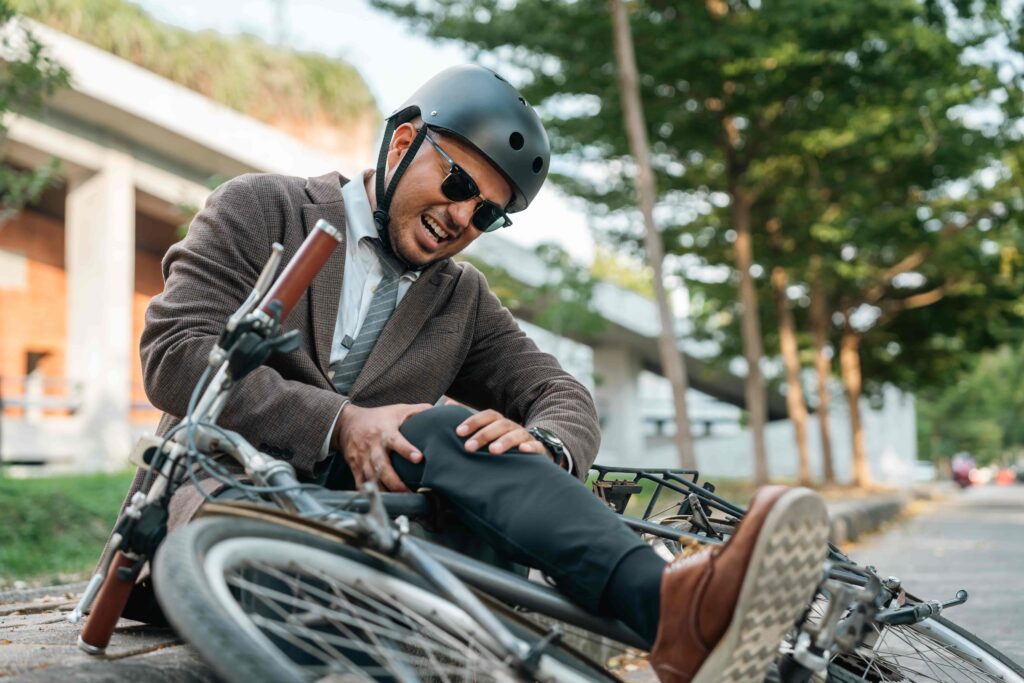 To recover compensation after a bicycle accident, you must show that someone else’s negligence caused your injuries. Negligence has four key parts: duty, breach, causation, and damages. You must prove each element for a claim to succeed.
Duty means the other party has a legal responsibility to act safely. Drivers must follow traffic laws, property owners must keep premises safe, and local authorities must maintain roads properly. Breach happens when that duty is ignored, like a driver running a red light, a property owner leaving hazards unattended, or a city failing to fix dangerous potholes.
There are causal links that lead to your injuries. Evidence like witness statements, accident reconstruction, or videos shows how the negligent actions directly caused the crash. Damages prove the harm you suffered, including medical bills, lost earnings, and the effect on your daily life.
Collecting strong evidence is crucial. Police reports, photos, traffic camera footage from Fort Lauderdale or Miami, and physical evidence like skid marks or debris help tell the full story.
To recover compensation after a bicycle accident, you must show that someone else’s negligence caused your injuries. Negligence has four key parts: duty, breach, causation, and damages. You must prove each element for a claim to succeed.
Duty means the other party has a legal responsibility to act safely. Drivers must follow traffic laws, property owners must keep premises safe, and local authorities must maintain roads properly. Breach happens when that duty is ignored, like a driver running a red light, a property owner leaving hazards unattended, or a city failing to fix dangerous potholes.
There are causal links that lead to your injuries. Evidence like witness statements, accident reconstruction, or videos shows how the negligent actions directly caused the crash. Damages prove the harm you suffered, including medical bills, lost earnings, and the effect on your daily life.
Collecting strong evidence is crucial. Police reports, photos, traffic camera footage from Fort Lauderdale or Miami, and physical evidence like skid marks or debris help tell the full story.
Multiple Liable Parties
Bicycle accidents can involve more than one party, and identifying everyone responsible helps you seek full compensation. The driver who hit you is often the main party, with their insurance covering damages up to policy limits. Other parties may also share responsibility. Vehicle owners can be liable if they let someone unsafe or reckless drive their car. Employers, such as delivery drivers or commercial truck operators, may be responsible when employees cause accidents during work. These cases often involve larger insurance policies, which can increase available compensation. You can hold government entities accountable if poorly maintained roads contributed to your accident. Potholes, broken traffic signals, missing signs, or unsafe road design in Fort Lauderdale or Miami can support claims, though these cases have special rules and shorter deadlines. Property owners may be liable if hazards spill into areas used by cyclists. Manufacturers of defective bicycle parts or safety gear, like faulty brakes or helmets that fail in a crash, can also share liability.Dealing with Insurance Companies
 Insurance companies are involved in most bicycle accident claims, but their goals rarely match yours. They focus on paying as little as possible, often using strategies to limit or deny your compensation.
Adjusters may reach out soon after your accident, asking for a recorded statement. Although it seems routine, anything you say can serve as evidence against you. They may ask leading questions or try to make you admit fault or downplay your injuries.
Insurers often make quick, lowball settlement offers before you fully know the impact of your injuries. These early offers usually don’t cover medical treatment, lost income, or ongoing challenges. Some adjusters delay claims intentionally, requesting repeated documents or dragging out investigations, hoping you’ll accept less than you deserve. Others may deny valid claims outright, arguing you were at fault or that your injuries aren’t serious.
Englander Peebles has secured substantial settlements and verdicts for bicycle accident victims by refusing to accept unfair insurance company offers. Our track record demonstrates that aggressive advocacy produces better results than trying to navigate the claims process alone.
Insurance companies are involved in most bicycle accident claims, but their goals rarely match yours. They focus on paying as little as possible, often using strategies to limit or deny your compensation.
Adjusters may reach out soon after your accident, asking for a recorded statement. Although it seems routine, anything you say can serve as evidence against you. They may ask leading questions or try to make you admit fault or downplay your injuries.
Insurers often make quick, lowball settlement offers before you fully know the impact of your injuries. These early offers usually don’t cover medical treatment, lost income, or ongoing challenges. Some adjusters delay claims intentionally, requesting repeated documents or dragging out investigations, hoping you’ll accept less than you deserve. Others may deny valid claims outright, arguing you were at fault or that your injuries aren’t serious.
Englander Peebles has secured substantial settlements and verdicts for bicycle accident victims by refusing to accept unfair insurance company offers. Our track record demonstrates that aggressive advocacy produces better results than trying to navigate the claims process alone.
Florida's No-Fault Insurance System
Florida operates under a no-fault insurance system that affects how some accident claims work. However, this system has important limitations that often allow bicycle accident victims to pursue compensation outside the no-fault framework. Under Florida's no-fault law, drivers must carry Personal Injury Protection coverage. PIP insurance covers certain medical expenses and lost income, regardless of who caused an accident. However, PIP coverage has significant limitations, including relatively low coverage limits and restrictions on what expenses qualify. Bicycle accidents don't always fall clearly within the no-fault system because bicycles aren't motor vehicles requiring PIP coverage. The specific circumstances of your accident determine how no-fault rules apply to your situation. Florida law allows injury victims to step outside the no-fault system and pursue claims against at-fault parties when injuries meet certain thresholds. Permanent injury, significant scarring, or substantial medical expenses typically allow you to pursue full compensation from the negligent party. Serious bicycle accident injuries usually exceed the thresholds that permit you to leave the no-fault system. Broken bones, traumatic brain injuries, spinal damage, and other common cycling injuries generally qualify as serious enough to pursue compensation beyond PIP coverage.The Claims Process
Knowing what to expect in a bicycle accident claim can ease some stress as your case progresses. While every case is different, most follow a similar path from start to finish. It usually begins with a free consultation. You’ll share details about the accident, your injuries, and how they have affected your life. We will review your situation and explain the options available to you. If you move forward, we will gather all necessary evidence—police reports, medical records, witness statements, photos, and other documentation. Sometimes we work with accident reconstruction or medical professionals to strengthen your case. Next, a demand package is prepared for the insurance company, outlining liability, damages, and the compensation you need. Settlement discussions follow, and many cases resolve at this stage when insurers recognize the strength of your claim. If negotiations fail, filing a lawsuit allows formal evidence gathering and, if needed, a trial where a judge or jury decides compensation.Time Limits for Filing Claims
 Florida law sets strict deadlines for filing bicycle accident claims. Generally, you have two years from the accident to file a personal injury lawsuit. Claims against government entities often require shorter notice, and delayed action can make evidence harder to gather.
Starting your case early helps preserve witness accounts, records, and physical evidence. Timely action also ensures insurance claims meet policy deadlines. We guide you through these time-sensitive steps.
Florida law sets strict deadlines for filing bicycle accident claims. Generally, you have two years from the accident to file a personal injury lawsuit. Claims against government entities often require shorter notice, and delayed action can make evidence harder to gather.
Starting your case early helps preserve witness accounts, records, and physical evidence. Timely action also ensures insurance claims meet policy deadlines. We guide you through these time-sensitive steps.