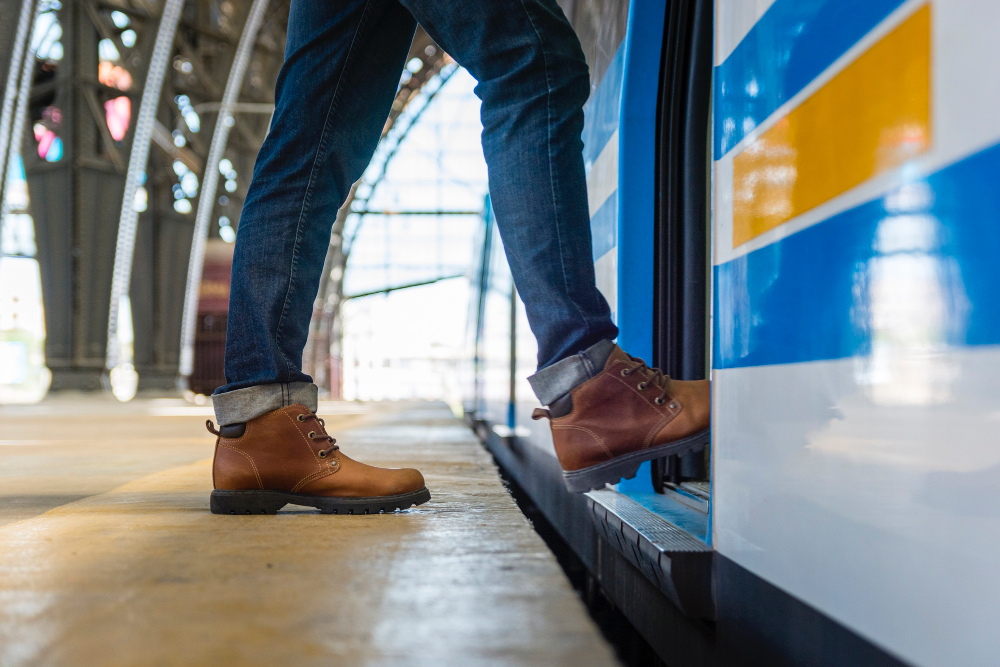
Why Choose Englander Peebles for Your Miami Train Accident Case
Englander Peebles works hard to support those injured in train accidents. From investigating the cause of the crash to helping clients recover damages, their approach is thoughtful and tailored to each unique situation.Comprehensive case assessment
Each case is reviewed thoroughly to determine its strengths and challenges. By taking the time to evaluate all evidence, Englander Peebles builds a strong foundation for pursuing fair compensation.Knowledge of florida train accident laws
Train accidents involve specific federal and state regulations. Englander Peebles understands the legal intricacies surrounding railroad companies, safety standards, and liability factors. They work to apply these laws effectively to your claim.Clear communication
Keeping clients informed throughout the legal process is a priority. Englander Peebles ensures you understand every step, answers your questions promptly, and addresses concerns quickly.Proven dedication to justice
Previous successes in handling various personal injury cases show the dedication to protecting clients' rights. This track record reflects a strong commitment to pursuing justice on behalf of victims.Common Causes of Train Accidents in Miami
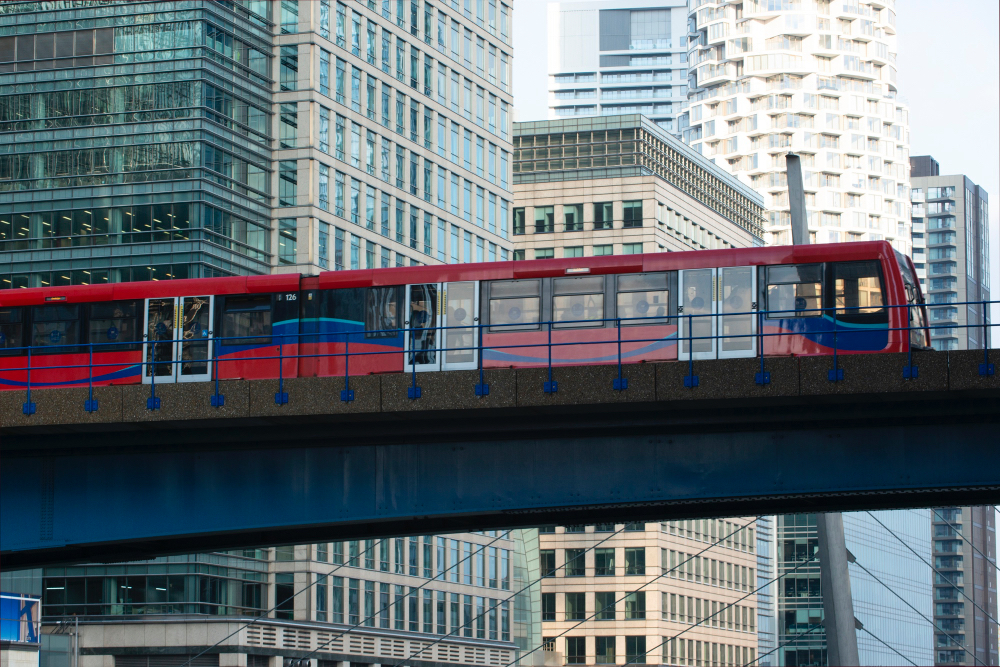 Miami’s rail system plays an essential role in transportation, but accidents still occur. Various factors, including human error, equipment issues, and external conditions, contribute to these tragic incidents.
Human error
Many train accidents result from human mistakes. Train operators may miscalculate speeds, fail to respond to signals, or become distracted during operation. Errors may also occur due to miscommunication between crew members or dispatch centers
Mechanical failures
Equipment on trains and tracks must be properly maintained to prevent accidents. Problems like faulty brakes, engine issues, or poorly maintained track switches can lead to crashes or derailments.
Unprotected railway crossings
Some railway crossings lack gates, lights, or warning systems, putting vehicles and pedestrians at significant risk. Accidents often occur when drivers misjudge the distance or speed of an oncoming train.
Weather conditions
Heavy rain, flooding, or storm debris can create hazardous track conditions. These issues may increase the likelihood of derailments or collisions without proper precautions.
Negligence from railroad companies
Railroad companies have a legal obligation to maintain trains, tracks, and crossings in a safe condition. Neglecting inspections, repairs, or safety protocols can create dangerous outcomes.
Miami’s rail system plays an essential role in transportation, but accidents still occur. Various factors, including human error, equipment issues, and external conditions, contribute to these tragic incidents.
Human error
Many train accidents result from human mistakes. Train operators may miscalculate speeds, fail to respond to signals, or become distracted during operation. Errors may also occur due to miscommunication between crew members or dispatch centers
Mechanical failures
Equipment on trains and tracks must be properly maintained to prevent accidents. Problems like faulty brakes, engine issues, or poorly maintained track switches can lead to crashes or derailments.
Unprotected railway crossings
Some railway crossings lack gates, lights, or warning systems, putting vehicles and pedestrians at significant risk. Accidents often occur when drivers misjudge the distance or speed of an oncoming train.
Weather conditions
Heavy rain, flooding, or storm debris can create hazardous track conditions. These issues may increase the likelihood of derailments or collisions without proper precautions.
Negligence from railroad companies
Railroad companies have a legal obligation to maintain trains, tracks, and crossings in a safe condition. Neglecting inspections, repairs, or safety protocols can create dangerous outcomes.
Florida Laws Governing Train Accidents
Florida train accident claims operate under personal injury laws designed to hold negligent parties accountable for their actions. However, certain state and federal regulations add unique aspects to train-related cases.Federal oversight and safety standards
The Federal Railroad Administration (FRA) oversees many aspects of rail safety in the United States. Regulations cover train operation, track inspection, and maintenance of railway crossings. Railroad companies may be held liable for resulting accidents when they fail to meet these standards.Comparative fault in Florida
Florida follows a comparative fault rule when determining liability. If someone is partially responsible for causing an accident, their compensation may be reduced based on their degree of fault. For example, if a driver ignores warning signals at a crossing and suffers injuries in a train collision, any awarded damages could be diminished according to their responsibility.Statute of Limitations
Florida law enforces time limits for filing injury claims. Train accident victims generally have four years from the date of the incident to file a claim. Missing this deadline may result in losing the ability to pursue compensation. If the incident involves a wrongful death claim, the time limit is shortened to two years.Who May Be Liable in a Train Accident?
Identifying the parties liable for a train accident is vital in seeking compensation. Several entities may bear responsibility, depending on the circumstances of the crash.- Train operators: Operators must adhere to safety protocols and respond appropriately to signals and hazards. Errors related to inattention or drug and alcohol use may result in liability.
- Railroad companies: These entities must maintain tracks, crossings, and safety equipment. Failure to do so could result in serious accidents.
- Manufacturers: Defective components, such as brakes, wheels, or tracks, can cause accidents. Manufacturers may be held accountable for faulty products.
- Maintenance crews: Negligent inspections or repairs on trains or tracks can contribute to crashes, placing liability on crews or subcontractors hired for maintenance tasks.
- Vehicle drivers or pedestrians: If drivers or pedestrians engage in reckless or unsafe behavior, such as trying to beat a train at a crossing, they might share liability for an accident.
Common Injuries Resulting from Miami Train Accidents
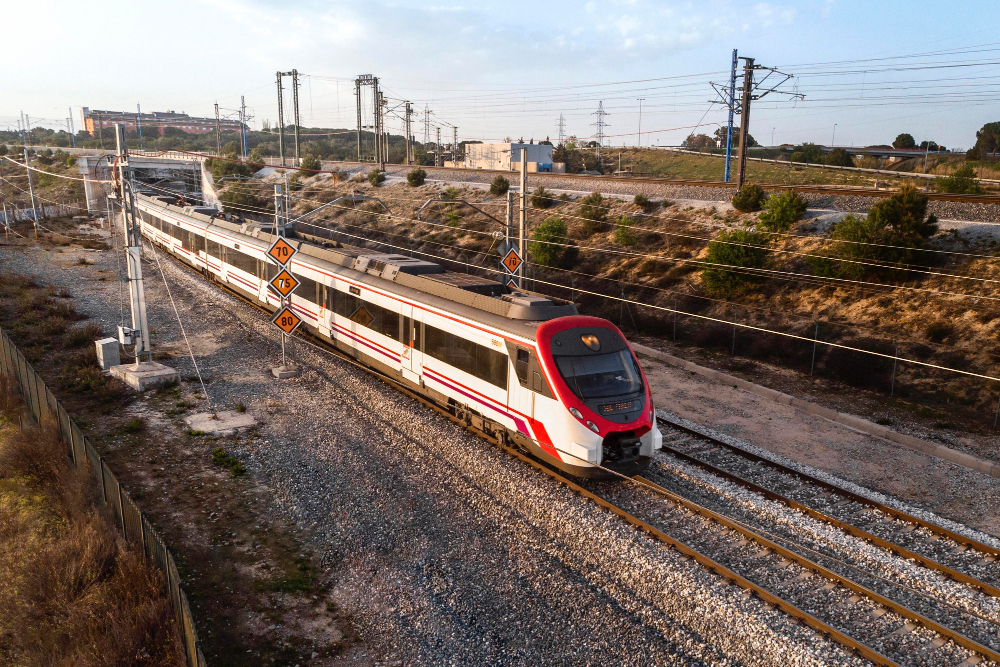 The high speeds and significant force involved in train accidents often lead to catastrophic injuries.
Victims may face long-term recovery needs or even permanent disability.
The high speeds and significant force involved in train accidents often lead to catastrophic injuries.
Victims may face long-term recovery needs or even permanent disability.
- Spinal cord injuries: Train accidents can cause severe trauma to the spine, leading to partial or complete paralysis.
- Traumatic brain injuries: Head injuries may result from direct blows or sudden impact during a crash, causing lasting damage to brain function.
- Fractures and broken bones: The sheer force of a train collision often results in fractures, some of which may require multiple surgeries and lengthy rehabilitation.
- Burns: Explosions or fires during train accidents may leave victims with severe burns requiring skin graft procedures.
- Internal injuries: Organs can suffer trauma from the intense forces of a collision, leading to internal bleeding and other complications.
Pursuing Compensation After a Train Accident in Miami
Victims of train accidents may recover compensation for a wide range of losses. These damages can help cover immediate expenses and provide for future needs.Economic damages
- Medical expenses: Includes hospital stays, surgeries, medications, and physical therapy. Projections for long-term care can also be included.
- Lost wages: Injuries may prevent victims from returning to work. Compensation accounts for missed past earnings and diminished future earning capacity.
- Property damage: Vehicles or other personal belongings damaged during a train accident may qualify for reimbursement.