Fault, Liability, and Legal Rights After a Semi-Truck Crash Near Port Everglades
When a commercial semi-truck crashes near Port Everglades or along I-595, the consequences can be devastating. The weight disparity between a loaded freight truck and a passenger car greatly increases the risk of catastrophic injuries, including broken bones, spinal damage, and traumatic brain injuries. If you were hurt, determining responsibility is critical and rarely stops with the truck driver.
If you were injured in a commercial truck crash in Broward County or South Florida, Englander Peebles is ready to help. Call us at 954-226-9134 or contact us now to speak with our team.
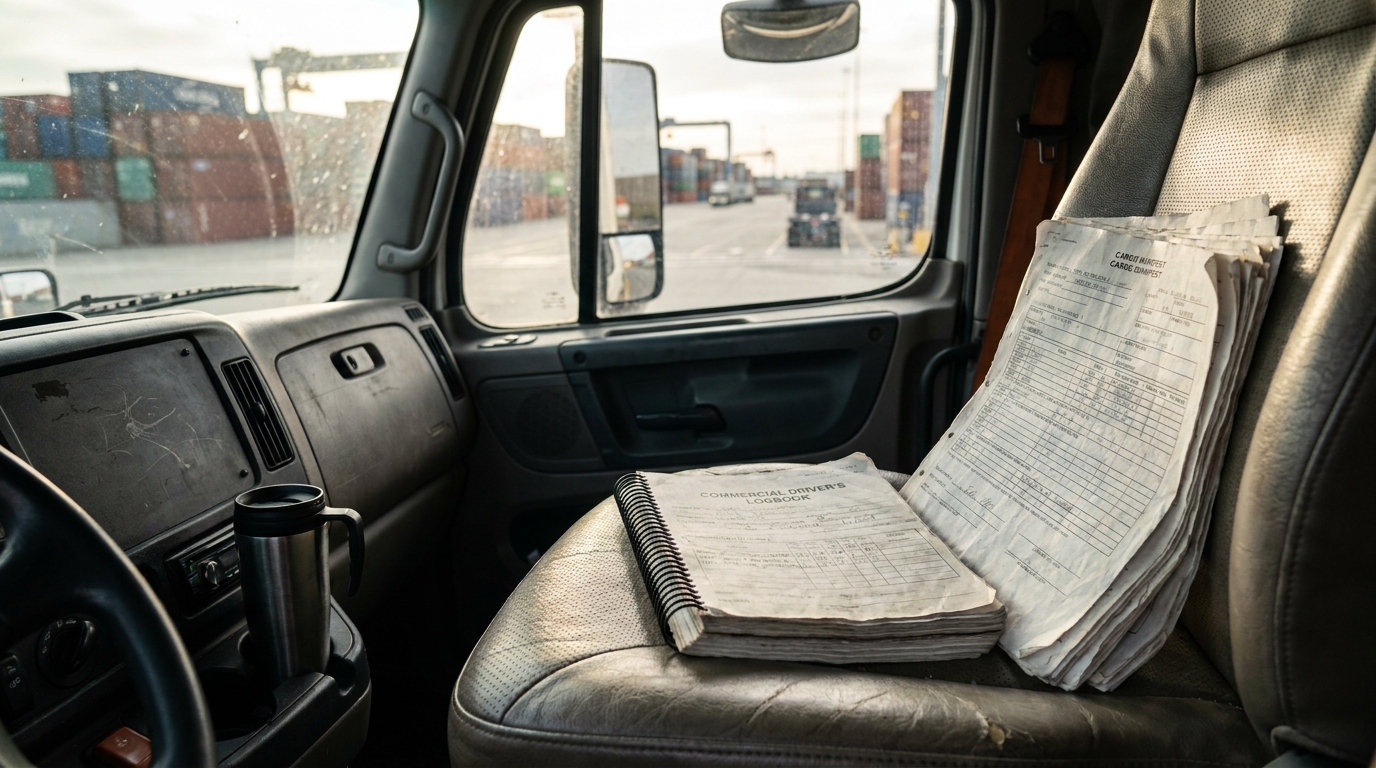
Why Semi-Truck Crashes Near Port Everglades Are Especially Complex
The Port Everglades corridor is one of Florida's most active freight zones, creating constant heavy commercial traffic on I-595 and surrounding roadways. That volume comes with risk. Trucks hauling containers operate under tight schedules, contributing to fatigued driving, unsafe lane changes, and regulatory violations. The legal landscape involves federal FMCSA regulations, Florida statutes, and potentially admiralty or port authority rules.
Truck accident cases here are rarely just "driver error" cases. According to Justia's truck accident resources, multiple parties beyond the driver may have contributed, including the trucking company, truck manufacturer, or loading company. Investigating all potentially liable parties from the start is essential.
Who Can Actually Be Held Liable in a Port Everglades Freight Truck Crash
Identifying legal responsibility requires looking beyond the driver. Liability may extend to several parties.
The Truck Driver
Driver negligence is often a contributing factor but rarely the only one. Common causes include drowsy driving, distracted driving, impaired operation, and inadequate training. When driver negligence causes a crash, they can be held personally liable. However, identifying the employer and other responsible parties is critical since the driver's personal assets are often limited.
The Trucking Company or Motor Carrier
Under Florida's dangerous instrumentality doctrine, a motor carrier that owns or controls a commercial truck can be held directly liable for injuries caused when the vehicle is operated with its permission. Florida courts also recognize direct negligence theories, including negligent hiring, retention, training, and entrustment.
Florida law recognizes vicarious liability: companies are liable for employee actions even if the company itself wasn't independently at fault.
The Cargo Loading Company
If a crash near Port Everglades was caused by improperly loaded or unsecured freight, the loading company may share liability. Overloading or failing to secure cargo presents serious hazards on I-595. The loading company can be named as a defendant when its negligence contributed to the crash.
The Truck Manufacturer or Maintenance Company
Mechanical failures, brake failure, tire blowouts, or steering defects can establish liability against a manufacturer or maintenance company. Maintenance violations are a recognized avenue for establishing negligence under federal and state trucking regulations.
💡 Pro Tip: After a truck crash, preserve evidence. Photograph the scene, vehicles, road conditions, and any visible cargo issues. This documentation is critical for identifying all liable parties.
Florida's Comparative Fault Rule and What It Means for Your Case
Florida follows a modified comparative fault system under FL § 768.81(6). If an injured victim is found more than 50% at fault, they're completely barred from recovering damages. Insurers and defense attorneys will attempt to shift blame onto victims to trigger this bar.
This is why working with an experienced Fort Lauderdale truck accident lawyer from the beginning is crucial. Without proper representation, victims may unknowingly give statements or accept blame that later reduces or eliminates their recovery.
💡 Pro Tip: Do not give recorded statements to any insurance company before speaking with a truck accident attorney. Anything you say can be used to argue you were at fault.
When Government Entities Are Involved
Port Everglades is operated by Broward County, meaning government-owned vehicles and employees could be involved in crashes. Under FL § 768.28(1), Florida waives sovereign immunity for torts caused by negligent government employees acting within their employment scope.
However, claims against government entities face damage caps under FL § 768.28(5): $200,000 per claimant and $300,000 per incident. These caps significantly limit compensation compared to private trucking companies. Government claims also involve specific procedural requirements and notice deadlines, making prompt legal action essential.
Insurance Requirements and Hazardous Cargo Near Port Everglades
If a semi-truck near Port Everglades was transporting hazardous materials, dramatically higher insurance coverage may apply. Under federal regulations at 49 C.F.R. § 387.9, the Schedule of Limits sets tiered minimums: carriers transporting certain high-risk hazardous substances (for example, bulk cargo tanks exceeding 3,500 water gallons, bulk Division 1.1/1.2/1.3 explosives, Division 2.3 Hazard Zone A gases, or Division 6.1 Packing Group I materials) must carry at least $5,000,000 in public liability coverage, while other placarded hazardous materials (such as oil or many non-bulk listed hazardous substances) generally require at least $1,000,000 in coverage.
Given Port Everglades' role as a major import/export hub, hazardous cargo is common. If the truck that struck you carried placarded hazardous freight, available insurance coverage may be substantially larger than in standard commercial crashes.
💡 Pro Tip: An attorney can quickly obtain the truck's manifest and cargo documentation to determine whether hazardous material requirements apply.
What Florida Law Says About Workers' Compensation Immunity in Truck Crashes
Workers' compensation provides exclusive remedy immunity to employers for workplace injuries sustained by their own employees under FL § 440.11(1), but this immunity does not bar claims brought by third-party crash victims who aren't employed by the trucking company. Additionally, FL § 440.11(3) specifies that immunity granted to an employer's workers' compensation carrier, service agent, or safety consultant does not apply when injury is "proximately caused by the negligent operation of a motor vehicle."
Even if a trucking company's insurer tries to invoke immunity, that protection may not hold if their negligence in motor vehicle operation contributed to the crash. Victims retain the right to pursue applicable third-party tort claims against all responsible parties.
💡 Pro Tip: Even if a trucking company claims workers' compensation covers the incident and no lawsuit is possible, speak with a truck accident attorney first. Florida law may give you more options.
The Statute of Limitations and Why Time Matters
Acting quickly after a semi-truck crash near Port Everglades has direct legal consequences. Florida's statute of limitations for personal injury cases is generally two years from the accident date. Missing this deadline typically means losing the right to recover compensation entirely.
However, FL § 95.051 identifies specific circumstances that can toll the limitations period, including when defendants are absent from the state or conceal themselves so process cannot be served. For crashes involving out-of-state motor carriers or hard-to-locate defendants, this tolling provision may extend the filing window. Courts interpret these exceptions narrowly, and Florida imposes a strict 7-year outer limit in certain tolling situations. For more information, the truck accident statutes of limitations resource from Justia provides helpful guidance.
Don't wait to see how injuries develop before consulting an attorney. Evidence disappears, witnesses become harder to locate, and electronic logging data can be overwritten. The sooner you retain representation, the stronger your case.
For more on how liability works in large truck collisions, see our discussion on large truck accident responsibility.
Who Pays When Multiple Parties Share Fault
In many commercial truck crashes, more than one party bears responsibility, and Florida law allows victims to pursue all of them. Claims may be filed against the driver, motor carrier, loading company, maintenance vendor, and potentially a government entity in the same lawsuit. Each party's degree of fault is assessed separately.
The table below summarizes common potentially liable parties and legal bases for claims:
| Potentially Liable Party | Legal Basis |
|---|---|
| Truck Driver | Personal negligence (distracted, drowsy, impaired driving) |
| Trucking Company / Motor Carrier | Florida dangerous instrumentality doctrine; direct negligence (hiring, supervision, training); vicarious liability for employee actions |
| Cargo Loading Company | Negligent loading, overloading, unsecured cargo |
| Truck Manufacturer | Product defect liability (brakes, tires, steering) |
| Maintenance Company | Negligent repair or inspection |
| Government Entity (e.g., Broward County) | FL § 768.28 waiver of sovereign immunity; damage caps apply |
Frequently Asked Questions
1. Can I sue the trucking company directly even if the driver was an independent contractor?
Can I Sue the Trucking Company If the Driver Was an Independent Contractor?
The driver-carrier relationship matters but doesn't automatically shield the company. Under federal regulations at 49 C.F.R. § 376.12(c)(1), a carrier that leases equipment assumes exclusive possession, control, and use of the equipment and complete responsibility for its operation during the lease period; however, 49 C.F.R. § 376.12(c)(4) expressly states this does not determine whether the driver is an independent contractor or an employee, and an independent contractor relationship may still exist when the carrier complies with 49 U.S.C. 14102 and related requirements. Florida courts also recognize carriers may be liable under agency principles, including apparent authority and actual control.
2. What if the truck was hauling cargo for a third-party logistics company?
What If a Third-Party Logistics Firm Was Involved?
Third-party logistics companies can be named in claims if their negligence contributed to the crash. If the logistics firm was responsible for loading, routing, or scheduling in ways that created unsafe conditions, they may share liability. Identifying the full cargo chain of custody is important in investigating Port Everglades freight crashes.
3. Does Florida's no-fault insurance system apply to truck accident cases?
Does Florida's No-Fault System Apply to Semi-Truck Crashes?
Florida's Personal Injury Protection (PIP) system generally applies to motor vehicles, but commercial trucks operate under a different insurance framework. In most semi-truck cases, the commercial liability policy, not PIP, is the primary recovery source for serious injuries. Because commercial truck crashes frequently result in injuries exceeding PIP limits, a liability claim is typically necessary for full compensation.
4. How long does a truck accident lawsuit in Fort Lauderdale typically take?
How Long Does a Truck Accident Case Take to Resolve?
Timelines vary based on case complexity, number of defendants, and whether parties reach settlement. Cases involving multiple liable parties, disputed fault, or serious injuries often take longer because thorough investigation and litigation are necessary. An attorney can provide a realistic timeline based on your specific facts.
5. What should I do immediately after a commercial truck crash on I-595?
What Steps Should I Take Right After a Truck Crash?
Steps taken immediately after a crash significantly affect your ability to recover compensation. Seek medical attention immediately. Call law enforcement and ensure a crash report is filed. Document the scene with photos if safely possible. Collect witness contact information. Then contact a truck accident attorney as soon as possible. Do not speak with the trucking company's insurer before consulting counsel.
Protecting Your Right to Recover After a Broward County Truck Crash
Truck accident cases near Port Everglades involve complex liability questions. Between federal FMCSA regulations, Florida motor carrier liability statutes, comparative fault rules, and potential government entity involvement, building a strong claim requires thorough understanding of how these pieces fit together. The trucking industry has experienced legal teams working immediately after crashes to protect company interests. Injured victims deserve the same.
If you or a family member was hurt in a semi-truck crash in Fort Lauderdale or Broward County, Englander Peebles is here to help. Call us at 954-226-9134 or contact us now for a free consultation. Don't wait, the sooner you reach out, the better positioned you'll be to protect your legal rights.