Pregnant and Hurt in a Crash? Your Health and Your Rights Come First
Key Takeaways: After a car accident while pregnant in Fort Lauderdale, get medical care right away, including fetal monitoring, even if you feel fine. Problems like placental abruption may not cause symptoms at first. If it is safe, take photos of the scene and get witness names, insurance details, and the police report number. Your health always comes before gathering evidence. Tell your insurer quickly. Under Florida's no-fault system, your own PIP policy usually pays first. PIP generally covers only treatment that starts within 14 days of the crash, and quick notice may help protect the $5,000 emergency care reserve. If your injuries meet Florida's serious-injury threshold, you may be able to seek pain and suffering damages from the at-fault driver beyond PIP. If you share the blame, your recovery may shrink, and if you are more than 50 percent at fault, you may recover nothing. Most car accident lawsuits must be filed within two years, so speak with a lawyer early and before you give any recorded statements to insurance adjusters.
A car accident while pregnant is frightening, even when you feel fine at the scene. The key steps are simple: get medical care right away (including fetal monitoring), document the crash, tell your insurer quickly, and talk to a lawyer before you give any statements. Even a "minor" crash on I-95, Federal Highway, or Broward Boulevard can hurt you or your baby in ways that do not show up right away.
If you or someone you love was hurt in a crash during pregnancy, Englander Peebles is here to help. Call 954-226-9134 or contact us now to talk through your options. Call us today for a free consultation.
Why a Car Accident While Pregnant Needs Medical Care Right Away
Get medical care right away after any crash during pregnancy, even if you feel okay. Seat belt pressure, a sudden stop, or an airbag can cause injuries that develop over hours or days. Placental abruption, early labor, and other problems may not cause clear symptoms at first. A quick ER visit or a call to your OB-GYN lets your doctors check you and your baby.
What a Prenatal Checkup After a Crash Usually Includes
A prenatal checkup after a crash often includes fetal monitoring, an exam, and sometimes an ultrasound. Providers may watch the baby's heart rate and check for contractions for several hours. Keep every discharge summary, bill, and follow-up instruction, because these records may become key evidence later.
How Quick Treatment Protects Your Florida PIP Benefits
Florida PIP law rewards fast medical care. Under Fla. Stat. § 627.736(1)(a), PIP generally covers medical benefits only if you first get treatment within 14 days of the crash. Under Fla. Stat. § 627.736(4)(c), once a PIP insurer learns of a covered accident, it generally must hold $5,000 of benefits for licensed physicians or dentists who provide emergency services or hospital inpatient care. The insurer generally holds that money for 30 days after it gets notice, then can use any unneeded part to pay other claims. Getting seen quickly and telling your insurer quickly may help get ER and hospital bills paid from PIP. You can read the full no-fault law in Florida's motor vehicle insurance statutes.
💡 Pro Tip: Tell every provider, including the ER triage nurse, that you are pregnant and were just in a car crash. That links your treatment to the crash in your records from the start.
What to Do at the Scene of a Car Accident
If you can do so safely, the steps you take at the scene can help your claim later. Under Fla. Stat. § 316.062(1), a driver in a crash that injures or kills anyone, or damages property, must give their name, address, and vehicle registration number. If asked, they must also show their license and give reasonable help to anyone hurt.
If your health allows, try to gather the following:
- Photos of all vehicles, the road, traffic signals, and any visible injuries
- Names and phone numbers of witnesses
- The other driver's insurance and license information
- The responding police agency's name and the police report number
- Notes on nearby businesses that may have security cameras
Your health always comes before evidence. If you feel cramping, bleeding, dizziness, or pain, let paramedics take you to the hospital and let someone else take the photos. For a broader checklist, see our guide on what to do after a car accident in Fort Lauderdale.
How Florida's No-Fault System Works for a Pregnant Crash Victim
Florida is a no-fault state, so your claim usually starts with your own PIP policy. According to the Florida Department of Highway Safety and Motor Vehicles, drivers must carry at least $10,000 in Personal Injury Protection, generally no matter who caused the crash. PIP generally pays 80 percent of reasonable medical bills and 60 percent of lost income. Medical benefits may be capped at $2,500 unless a qualified provider finds an emergency medical condition. You would generally file first with your own PIP insurer, even if the other driver was clearly at fault.
When You Can Go Beyond PIP
PIP limits often run out fast once you add up prenatal monitoring, imaging, and follow-up visits. Under Fla. Stat. § 627.737, you may be able to bring a claim against the at-fault driver for pain and suffering if your injuries meet the serious-injury threshold. That threshold includes significant and permanent loss of an important bodily function, permanent injury within a reasonable degree of medical probability, significant and permanent scarring or disfigurement, or death. Whether a pregnancy injury meets that standard depends on the medical evidence, so careful records matter.
| Coverage Stage | What It Generally Covers | Key Florida Statute |
|---|---|---|
| PIP (your own policy) | Part of your medical bills and lost income, no matter who was at fault | Fla. Stat. § 627.736 |
| Claim against at-fault driver | Money losses beyond PIP, plus pain and suffering if the threshold is met | Fla. Stat. § 627.737 |
| Lawsuit | Money losses and pain and suffering, which may be reduced by your share of fault | Fla. Stat. § 768.81 |
What Damages May Be Available After a Pregnancy Injury
Damages in a Fort Lauderdale car accident case usually fall into two groups: economic and noneconomic. Under Fla. Stat. § 768.81(1)(b), economic damages include past and future lost income, medical bills, lost support and services, and other money losses. For expectant mothers, prenatal visits, fetal monitoring, and maternal-fetal medicine care linked to the crash may count as medical bills. Noneconomic damages, such as pain, emotional distress, and worry about your baby's health, may also be available if you meet the serious-injury threshold.
The hardest part of many pregnancy-related claims is proving the crash caused the harm. Insurers may argue that a problem came from the pregnancy itself. Clear medical records made right after the crash, along with your doctors' opinions, can help tie your injuries to the accident.
Seat Belts, Fault, and Protecting Your Claim
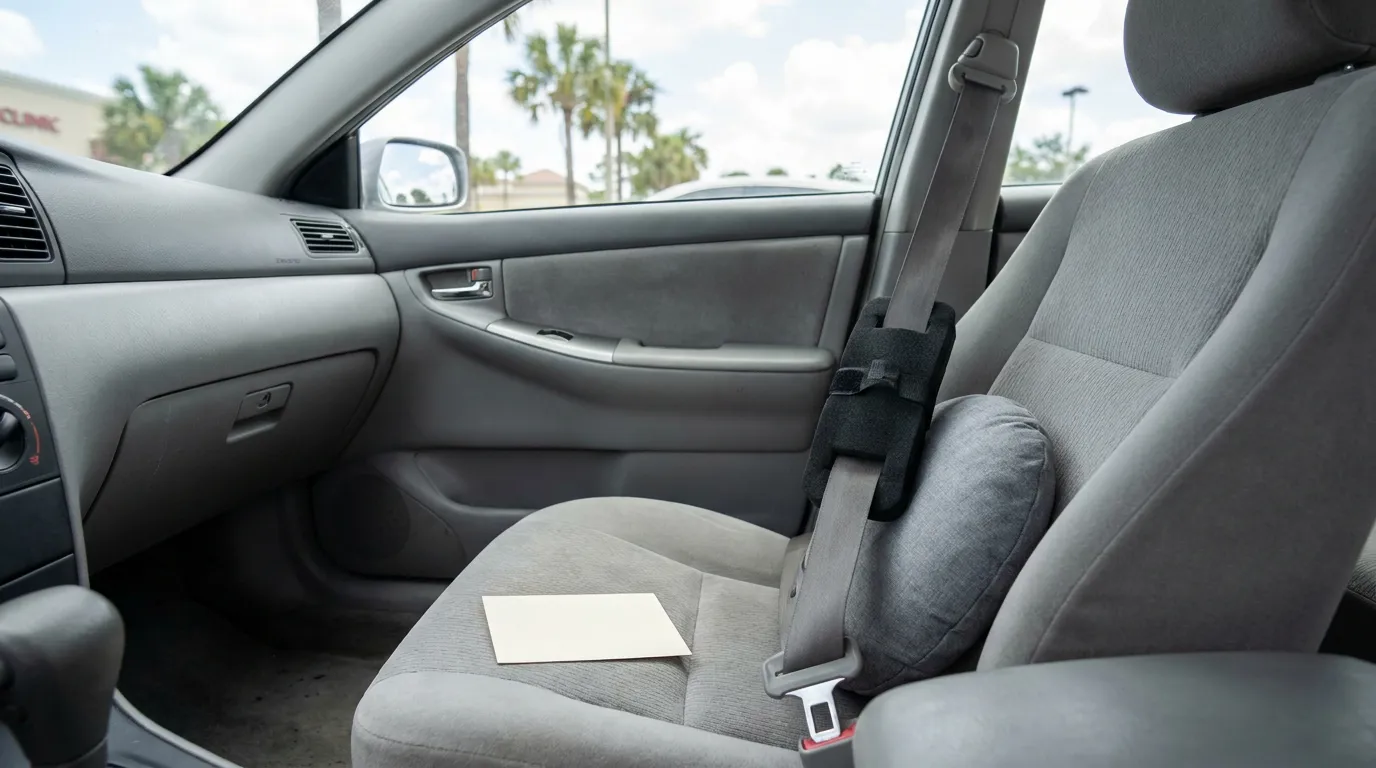
Wearing your seat belt the right way protects you and your baby, and it may also protect your claim. The National Highway Traffic Safety Administration (NHTSA) reports that a three-point seat belt worn correctly does not raise the risk of injury to the fetus and remains the best protection in a crash. NHTSA's seat belt guidance for pregnancy recommends that pregnant drivers and passengers:
- Buckle the lap belt below the belly, across the hips and pelvic bone
- Place the shoulder belt between the breasts and off to the side of the belly, never under the arm or behind the back
- Sit as far back from the steering wheel as possible while still reaching the pedals comfortably
How Seat Belt Use Affects Shared Fault
Under Fla. Stat. § 316.614(10), not wearing a seat belt does not by itself prove negligence in a civil case. But a jury may consider it when deciding whether you share the blame, which can reduce your damages if the defense proves it added to your injuries. Under Fla. Stat. § 768.81(6), in most negligence cases, anyone found more than 50 percent at fault for their own harm cannot recover damages. If you are 50 percent or less at fault, your recovery usually drops by your share of fault.
Deadlines You Should Know About
Florida sets strict time limits for injury claims. Under Fla. Stat. § 95.11(5)(a), most negligence lawsuits, including most car accident claims from crashes after March 24, 2023, must be filed within two years. Under Fla. Stat. § 95.11(5)(e), a wrongful death lawsuit generally must also be filed within two years of the death.
Pregnancy-related injuries may take time to show up, which is one more reason to act early. Meanwhile, evidence like security video and witness memories can disappear. Talking with an experienced car accident lawyer early can help protect your rights while you focus on your health.
💡 Pro Tip: Before you give a recorded statement to any insurance adjuster, including the other driver's, speak with a lawyer. Offhand comments that you "feel fine" may later be used to downplay your injuries.
Frequently Asked Questions
1. Should I go to the hospital after a minor crash if I'm pregnant?
Yes. Most doctors recommend a prompt checkup after any crash during pregnancy. Some problems have no early symptoms, and fetal monitoring may be the only way to spot them.
2. Does Florida PIP cover pregnancy-related care after a crash?
Florida PIP may cover part of the needed medical treatment for crash injuries, no matter who was at fault. Coverage depends on your policy, on whether the treatment is tied to crash injuries, and on getting first treatment within 14 days. Quick emergency care and quick notice to your insurer may help protect the $5,000 emergency reserve.
3. Can I sue the other driver if my baby was harmed?
You may be able to, depending on the facts. Claims for pain and suffering beyond PIP generally require meeting the serious-injury threshold in Fla. Stat. § 627.737. Florida law treats claims involving an unborn child differently from claims for a child born alive, so a lawyer can review your medical records and explain your options.
4. What if the insurer says I was partly at fault?
Under Fla. Stat. § 768.81(6), you can generally still recover if you were 50 percent or less at fault. Your damages would generally drop by your share of fault.
5. How long do I have to file a claim?
Most car accident negligence lawsuits must be filed within two years under Fla. Stat. § 95.11(5)(a). PIP deadlines are much shorter, including the 14-day window for first treatment, so contacting a lawyer early is wise.
Protecting Your Family's Future After a Crash
After a car accident while pregnant, focus first on medical care, then on documenting the crash, notifying your insurer, and getting legal advice. Florida's no-fault rules, PIP deadlines, shared-fault law, and two-year filing deadlines all affect what you may be able to recover.
Our Fort Lauderdale team answers the phone and is ready to listen. Reach out to our team at Englander Peebles, call 954-226-9134 today, or schedule your free consultation. Contact Englander Peebles today.
Disclaimer: This content is for informational purposes only and is not legal advice. Every case is unique, and results may vary. Consult a lawyer about your specific situation.