Why Medical Payments Coverage Matters So Much for Florida Riders
Key Takeaways: MedPay is optional auto insurance that pays medical bills after a motorcycle crash regardless of fault, making it valuable in Florida where PIP no-fault benefits generally do not extend to riders operating motorcycles. It covers ambulance transport, emergency care, imaging, and follow-up treatment while liability claims are investigated, typically avoiding PIP's 20 percent gap and 14-day deadline. Limits usually range from a few thousand dollars to $10,000 or more. MedPay works alongside UM/UIM coverage, health insurance, and negligence claims rather than replacing them, though reimbursement clauses and liens can affect net recovery. Florida's modified comparative fault rule bars recovery for anyone over 50 percent at fault in negligence actions accruing after March 24, 2023, which must be filed within two years. Acting quickly, documenting everything, and having a lawyer review available policies protects your coverage.
MedPay, short for medical payments coverage, is an optional auto insurance benefit that pays medical bills after a crash regardless of fault. For motorcyclists, it carries extra weight. Florida's no-fault system generally does not extend Personal Injury Protection to riders injured while operating their bikes, meaning first-dollar coverage most drivers rely on often is not there when a rider goes down. MedPay fills that gap, paying for ambulance transport, emergency treatment, imaging, and follow-up care while fault is being sorted out, up to your purchased limit.
If you were hurt on your bike and are unsure what coverage applies, the team at Englander Peebles reviews policies for injured riders every day. Request a free case review or call 954-226-9134 to discuss your options.
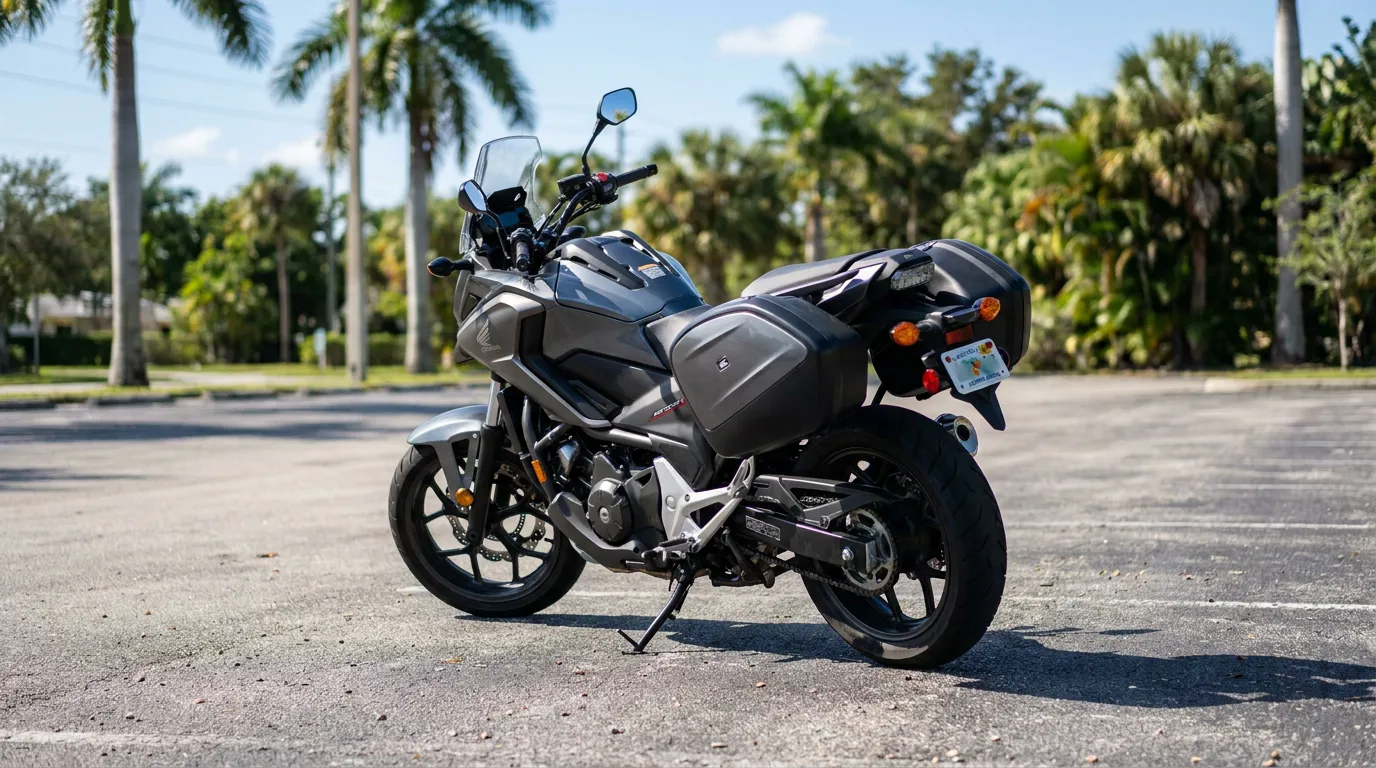
How MedPay Coverage After a Motorcycle Accident in Florida Actually Works
MedPay is a separate pool of money on your policy to pay medical expenses after a crash. Florida's insurance code treats "automobile medical-payment insurance" as coverage separate from a health benefit plan under Fla. Stat. § 627.6699(3)(k). MedPay is not health insurance, and it does not require proving the other driver was negligent before it pays.
Because it pays without regard to fault, MedPay often becomes the fastest funding source after a Broward motorcycle injury. Liability claims can take months while adjusters investigate. Meanwhile, providers want payment. MedPay can be applied immediately, subject to your policy's limits and conditions. Limits commonly range from a few thousand dollars to $10,000 or more.
Why Motorcycles Sit Outside the PIP System
Florida's required PIP benefits are built around "motor vehicles" as defined by statute, and motorcycles do not fit the definition. Under Fla. Stat. § 627.736(1), required personal injury protection provides coverage "to a limit of $10,000 in medical and disability benefits and $5,000 in death benefits." For no-fault purposes, Fla. Stat. § 627.732(3) defines a motor vehicle as a self-propelled vehicle with four or more wheels, which excludes motorcycles and mopeds.
Because a motorcycle is not a "motor vehicle" under no-fault law, riders injured while operating a bike generally cannot claim PIP benefits, even under a PIP policy covering a car they own. Florida requires owners of covered motor vehicles to maintain PIP under Fla. Stat. § 627.733, which is why coverage rules for bikes differ. Our overview of motorcycle insurance requirements in FL walks through what riders must carry.
What PIP Would Pay If It Applied
Even when PIP applies, such as when a rider is injured while occupying a car, it does not pay everything. Medical benefits under Fla. Stat. § 627.736(1)(a) generally cover "eighty percent of all reasonable expenses for medically necessary medical, surgical, X-ray, dental, and rehabilitative services," and benefits are available only if initial services are received within 14 days. Benefits may be limited to $2,500 unless a qualified provider determines the injured person had an emergency medical condition. The $10,000 cap is often exhausted quickly in serious cases. Florida's motor vehicle insurance statutes contain the full text.
MedPay is contractual coverage, so it generally does not carry the same 20 percent coinsurance gap or 14-day treatment trigger. Terms vary by insurer and policy form, however. Read your declarations page, and if unclear, have someone review it.
Comparing the Coverages a Rider May Be Able to Stack
| Coverage | Fault Required? | What It Typically Pays |
|---|---|---|
| MedPay | No | Medical bills up to the selected limit |
| PIP (rarely applies to bikes) | No | 80% of medical, partial wage loss, $10,000 cap |
| UM/UIM | Yes, other driver's fault | Medical, wages, pain and suffering |
| Health insurance | No | Covered care subject to deductibles and copays |
| Liability claim against driver | Yes | Full economic and non-economic damages |
These coverages can work together rather than in competition. MedPay may handle immediate bills while a liability claim develops. Coordination-of-benefits rules, reimbursement clauses, and health plan liens affect the net result, so claim submission order matters.
💡 Pro Tip: Ask your insurer for a certified copy of your full policy, not just the declarations page. Endorsements usually control how medical payments coverage interacts with health insurance and liens.
The Coverage Riders Overlook Most Often
Uninsured and underinsured motorist coverage is frequently the most commonly missed avenue. Under Fla. Stat. § 627.727, insurers must offer UM/UIM unless the insured rejects it in writing or selects lower limits. When the at-fault driver has minimum limits or no insurance, UM/UIM can compensate for medical expenses, lost income, and pain and suffering that MedPay does not touch.
Checking every available policy is one of the first things a lawyer should do. Coverage may exist on a spouse's vehicle, a household relative's policy, or an umbrella policy you forgot about. Insurance layering after a motorcycle crash gets complicated quickly, and adjusters are not obligated to point out coverage you did not ask about.
How Fault Still Shapes Your Recovery
MedPay pays without regard to fault, but the rest of your claim does not. Florida applies a modified comparative fault standard to most negligence actions. Under Fla. Stat. § 768.81(6), a party found greater than 50 percent at fault may not recover damages. That bar applies to causes of action accruing on or after March 24, 2023; it does not apply to medical negligence actions. Below that threshold, recovery is reduced by the injured party's percentage of fault.
Riders face an uphill battle because of persistent bias against motorcyclists. Insurers frequently argue the rider was speeding, lane splitting, or hard to see. Lane splitting is prohibited in Florida under Fla. Stat. § 316.209. Countering those arguments takes crash reports, witness statements, scene photographs, gear evidence, and sometimes accident reconstruction. Florida's comparative fault standard is defined by statute.
The Deadline That Cannot Be Ignored
A negligence action in Florida generally must be commenced within two years. Fla. Stat. § 95.11(4)(a) now sets a two-year deadline for negligence actions, shortened from four years by HB 837 for claims accruing after March 24, 2023. Limited exceptions such as tolling exist, and different deadlines apply to claims against government entities, but no rider should assume an exception applies. Waiting also erodes evidence since skid marks fade, vehicles get repaired, and witnesses move.
MedPay claims are governed by your policy's notice and proof-of-loss provisions, often far shorter than two years. Missing those deadlines can jeopardize benefits you paid for.
Practical Steps After a Crash in Broward County
What you do in the first days often determines what coverage remains available. Consider the following:
- Get evaluated immediately, even if adrenaline masks symptoms
- Request the crash report and photograph the scene, your bike, and your gear
- Notify your insurer promptly and ask specifically about MedPay and UM/UIM
- Keep every bill, explanation of benefits, and receipt
- Decline recorded statements to the other driver's insurer before speaking with counsel
💡 Pro Tip: Tell your treating providers you may have MedPay available. Some offices will bill it directly rather than sending your account to collections while a liability claim is pending.
Talking to a lawyer early is not an overreaction. The at-fault driver's carrier begins building its file immediately. A fort lauderdale motorcycle accident attorney can identify every applicable policy, handle adjusters, and protect documentation your claim depends on. Treat this article as general information and get advice tailored to your situation.
Frequently Asked Questions
1. Does MedPay reduce what I can recover from the at-fault driver?
Not necessarily. MedPay is a benefit under your own contract, and a negligence claim seeks separate damages. Reimbursement or subrogation provisions in some policies may require repayment from a settlement, so specific policy language controls.
2. Do I need MedPay if I already have health insurance?
Many riders benefit from both. MedPay may cover deductibles, copays, and services a health plan denies, and it typically pays faster. Health plans also frequently assert reimbursement rights or liens against settlements.
3. Is MedPay required for motorcyclists in Florida?
No. MedPay is optional coverage, though many riders elect it because no-fault benefits generally do not reach injuries sustained while operating a motorcycle.
4. How quickly should I report a motorcycle crash to my insurer?
As soon as reasonably possible. Policies impose prompt notice obligations, and unreasonable delay that prejudices the insurer can give it grounds to question the claim.
5. What if the driver who hit me had no insurance?
UM/UIM coverage on your own policy may respond. Florida insurers must offer it unless it was rejected in writing, and it can cover pain and suffering that medical payments coverage does not reach.
Protecting Your Recovery Starts With Knowing Your Policy
MedPay is a modest but useful piece of motorcycle crash insurance coverage, especially in a state where no-fault benefits rarely reach riders. It pays medical bills without a fault fight, bridges the gap while a liability claim develops, and sits alongside UM/UIM, health insurance, and negligence claims. Comparative fault rules and a two-year filing deadline make early action essential.
If you were injured riding in Fort Lauderdale or Broward County, the attorneys at Englander Peebles are ready to review your coverage and explain your options. Get in touch with our team or call 954-226-9134 for a free consultation.