How Brachial Plexus Injuries Happen When Riders Go Down
Key Takeaways: A brachial plexus injury is damage to the network of nerves running from the spine through the shoulder into the arm and hand. It often happens when a motorcycle rider is thrown or lands hard on one shoulder. Symptoms range from burning, numbness, and weakness to complete paralysis, and severe cases such as nerve root avulsions may cause permanent loss of function. Treatment can include physical therapy, nerve grafts, or nerve transfers, and recovery is slow because nerves regrow gradually. Under Florida's modified comparative negligence rule, an injured rider generally can recover damages only if 50 percent or less at fault. When the at-fault driver carries required no-fault (PIP) security, pain and suffering damages generally require meeting the permanency threshold. Most negligence claims arising on or after March 24, 2023 must be filed within two years, so get prompt medical care, keep consistent records, and speak with an attorney early.
A brachial plexus injury is damage to the network of nerves that runs from your spine through your shoulder and down into your arm and hand. In a motorcycle crash, a rider can be thrown from the bike or land hard on one shoulder, stretching, compressing, or tearing these nerves. The result may be weakness, numbness, or even paralysis in the arm. For many riders in Fort Lauderdale and across Broward County, a brachial plexus injury motorcycle accident changes their work, independence, and daily routine.
If you or someone you love is dealing with arm nerve damage after a crash, you do not have to sort this out alone. The team at Englander Peebles talks with injured riders every day about their medical needs and legal options. Call 954-226-9134 or contact us now for a free consultation.
Understanding the Brachial Plexus and Why It Matters
The brachial plexus works like a wiring harness that sends signals from your spinal cord to your shoulder, arm, and hand. It controls both movement and feeling. When part of the network is damaged, signals between your brain and arm can slow, scramble, or stop.
How Motorcycle Crashes Cause Nerve Damage
Motorcycle riders face particular risk because they have almost no protection on impact. Medical sources identify traumatic stretching, compression, and tearing of the nerves as the main causes. Common crash scenarios include:
- A driver turns left in front of a rider, who is thrown over the handlebars onto the shoulder
- A rider is sideswiped during a lane change and the head and neck are forced away from the shoulder
- A rear-end collision pulls the rider's arm violently
- A rider skids out avoiding a careless driver and lands with the arm pinned under the body
Each of these moments can widen the angle between the neck and shoulder past what the nerves can handle. Even riders in full gear can suffer these injuries, because helmets and jackets do little to stop that stretching force.
Symptoms Riders Should Watch For
Symptoms range from mild numbness and weakness to complete paralysis and loss of feeling in the arm. Doctors often group these injuries into three levels of severity. Some riders notice symptoms right away, while others realize something is wrong only after swelling from other injuries goes down.
| Injury Type | What Happens to the Nerve | Common Symptoms |
|---|---|---|
| Neurapraxia | Nerve is stretched but not torn | Burning, stinging, temporary numbness or weakness |
| Axonotmesis | Inner nerve fibers are damaged; outer covering intact | Significant weakness, loss of sensation, slower recovery |
| Neurotmesis | Nerve is fully torn or ruptured | Severe weakness or paralysis, possible permanent loss of function |
Severe injuries in which the nerve root is pulled from the spinal cord are called avulsions. These are among the most serious nerve injuries a rider can suffer. You can learn more through this brachial plexus injury overview.
Treatment and Recovery After a Brachial Plexus Injury Motorcycle Accident
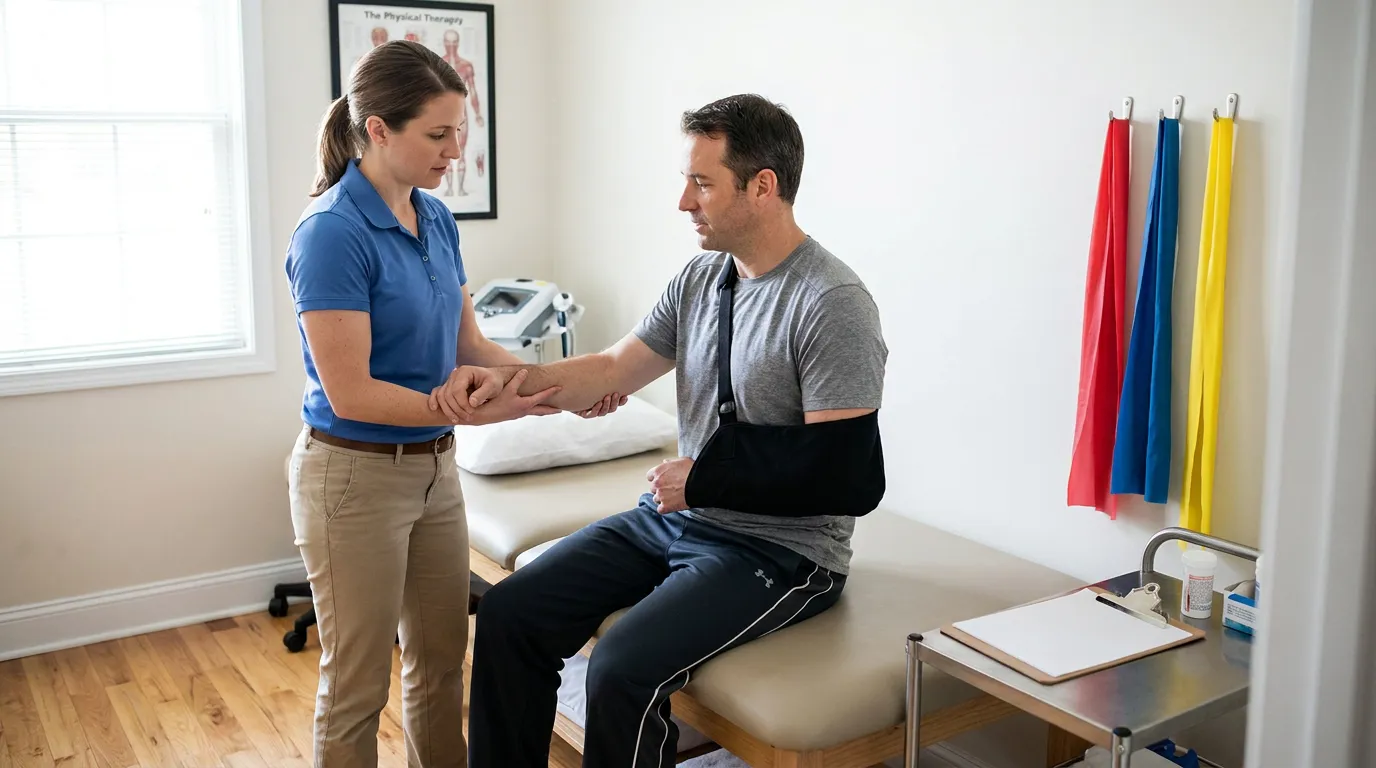
Treatment depends on how badly the nerves are damaged. Milder injuries often respond to physical therapy over weeks or months. Severe injuries may call for surgical nerve repair, nerve grafts, or nerve transfers. Recovery is often slow because nerves regenerate gradually.
Some riders reach a point where doctors expect no further improvement. That moment matters medically and legally, because a physician's opinion at that stage may help document whether an injury is permanent. Long-term therapy, missed work, and possible career changes can all add to the cost of this injury.
💡 Pro Tip: Keep a simple daily journal of what you can and cannot do with your arm, such as buttoning a shirt, driving, or lifting your child. These notes can help your doctors track progress and help your attorney show how the injury affects your life.
Florida Laws That Shape a Nerve Damage Claim
Florida has specific rules that affect whether and how an injured rider recovers compensation. These rules cover fault, available damages, and filing deadlines.
Proving Fault and Countering Bias Against Riders
Florida uses a modified comparative negligence system for most negligence cases. Under Fla. Stat. § 768.81(6), a party found greater than 50 percent at fault for his or her own harm may not recover any damages. This bar does not apply to medical negligence actions. If you are 50 percent or less at fault, your recovery is generally reduced by your percentage of fault. Insurers often try to shift blame onto motorcyclists by claiming they were speeding or hard to see, so crash reports, witness statements, photos, and sometimes accident reconstruction can be vital.
Helmet use can also come up. Florida generally allows riders 21 and older to ride without a helmet if they carry an insurance policy providing at least $10,000 in medical benefits for crash injuries. An insurer may still argue that not wearing a helmet contributed to your injuries, but a helmet typically does nothing to protect the shoulder nerves, which may limit that argument here.
The Permanency Threshold for Pain and Suffering
When you sue a vehicle owner or driver who carries the required no-fault (PIP) security, Florida law limits pain and suffering damages. Under Fla. Stat. § 627.737(2), these damages are generally available only if the injury involves significant and permanent loss of an important bodily function, a permanent injury within a reasonable degree of medical probability (other than scarring or disfigurement), significant and permanent scarring or disfigurement, or death. Severe brachial plexus injuries, such as avulsions, often cause lasting loss of function and may meet this standard. Motorcycles are treated differently from cars under Florida's no-fault law, so counsel should review how the threshold applies.
A defendant can challenge whether you meet this threshold. Under Fla. Stat. § 627.737(3), if a defendant moves for summary judgment and the court finds you cannot submit evidence of a qualifying injury, the court must dismiss that claim without prejudice. Consistent medical records documenting lasting nerve damage, such as nerve conduction studies and physician opinions, are therefore critical.
Economic Damages and Defective Products
Economic damages can cover much of the financial fallout from a nerve injury. Under Fla. Stat. § 768.81(1)(b), economic damages include, among other losses, past lost income, future lost income reduced to present value, and medical expenses. For riders facing nerve grafts, long-term therapy, or permanent work limitations, these losses can be substantial.
Sometimes a defective product makes an injury worse. Under Fla. Stat. § 768.81(1)(a) and (3)(b), Florida recognizes "enhanced injury" claims, meaning injuries made worse than they would have been without a defective product. The jury also considers the fault of everyone who contributed to the crash. Product liability claims generally have their own four-year deadline and a separate statute of repose.
Deadlines You Cannot Afford to Miss
Florida generally gives you two years to file a negligence lawsuit for crash injuries. Under Fla. Stat. § 95.11(5)(a), an action founded on negligence must be brought within two years. This applies to claims arising on or after March 24, 2023; older claims generally keep the previous four-year deadline. You can review Florida's statutes of limitations on the Florida Senate website. Because brachial plexus injuries can take months to diagnose fully, do not let this deadline slip by while treatment continues.
Other deadlines may apply. A wrongful death action generally must be filed within two years of the date of death under Fla. Stat. § 95.11(5)(e). If a missed diagnosis or improper treatment worsened your injury, a medical malpractice claim generally must be filed within two years of the incident or its discovery, with a four-year outer limit under Fla. Stat. § 95.11(5)(c), subject to narrow exceptions. Medical malpractice claims also have mandatory pre-suit requirements, and claims against government entities may require separate written notice. Speak with an attorney promptly to confirm your deadline.
Steps to Protect Your Health and Your Case
The days after a crash matter for both your recovery and your claim. Get medical care right away and tell your doctor about any arm numbness, tingling, or weakness, even if minor. Follow your treatment plan and keep every appointment, since insurers often point to gaps in care to minimize a claim.
Talking to a lawyer early can help preserve evidence before it disappears. Surveillance footage, witness memories, and damaged gear can be lost quickly. Our guide on what to do after a motorcycle crash walks through practical steps.
💡 Pro Tip: Do not give a recorded statement to the other driver's insurance company before speaking with an attorney. Casual comments about feeling "okay" can later be used to downplay a nerve injury that took weeks to show its full impact.
Frequently Asked Questions
Can a brachial plexus injury heal on its own?
Mild stretch injuries may improve with time and physical therapy. More serious injuries, such as ruptures or avulsions, often need surgery and may cause permanent limitations.
What if I was not wearing a helmet?
Florida generally allows riders 21 and older to ride without a helmet if they carry an insurance policy providing at least $10,000 in medical benefits. Helmet use may come up in a fault analysis, but it often has little connection to shoulder nerve damage.
What if the insurer says I was partly at fault?
In most negligence cases, you may still recover damages if found 50 percent or less at fault under Fla. Stat. § 768.81(6). Your recovery would generally be reduced by your percentage of fault.
How long do I have to file a Fort Lauderdale motorcycle accident claim?
Most negligence claims arising on or after March 24, 2023 must be filed within two years under Fla. Stat. § 95.11(5)(a). Different deadlines may apply for wrongful death, medical malpractice, product liability, or government claims.
What compensation might be available?
Depending on the facts, compensation may include medical expenses, past and future lost income, and pain and suffering if any applicable permanency threshold is met. Every case is different, and no attorney can promise a specific result.
Moving Forward After a Life-Changing Nerve Injury
A brachial plexus injury can affect how you work, ride, and care for your family. Understanding the injury, getting consistent treatment, and knowing Florida's rules on fault, permanency, and deadlines can help you protect your rights. An experienced brachial plexus injury motorcycle accident lawyer can review your situation and explain your options.
You focus on healing, and let a trusted South Florida team handle the insurance companies. Englander Peebles helps injured riders throughout Broward, Miami-Dade, and Palm Beach counties. Call 954-226-9134 or reach out to our team today.
Disclaimer: This content is for informational purposes only and is not legal advice. Every case is unique, and results may vary. Consult an attorney about your specific circumstances.