Why Rideshare Insurance Limits Shrink Before the Ride Begins
Key Takeaways: When an Uber or Lyft driver is logged into the app but has not yet accepted a ride, known as Period 1, Florida Statute § 627.748 requires only $50,000 per person, $100,000 per incident, and $25,000 in property damage coverage. The $100,000 per incident figure is an aggregate ceiling for all injured parties, so multiple claimants share a single limited pool. Once a driver accepts a ride, the statute requires at least $1 million in coverage, which is why app data, trip records, and ride receipts are critical to proving which period applied. Even when the Period 1 cap is reached, other layers may exist, including PIP benefits, uninsured and underinsured motorist coverage, another at-fault driver's policy, and umbrella or excess coverage. Florida's filing deadline, generally two years for negligence claims accruing on or after March 24, 2023, and its modified comparative fault rule can further shape recovery.
If you were hurt by an Uber or Lyft driver logged into the app but awaiting a ride request, liability insurance is generally capped at $50,000 per person and $100,000 per incident for bodily injury, plus $25,000 for property damage. That "waiting" window is what Florida law calls Period 1, and it carries far lower limits than the coverage that activates once a ride is accepted. For injured passengers, pedestrians, cyclists, and other drivers in Broward County, understanding this gap can shape the entire claim.
If you were injured in a Fort Lauderdale rideshare crash, get answers before an adjuster starts shaping the narrative. The team at Englander Peebles has helped injured people across South Florida untangle layered rideshare policies and identify every source of recovery. Call 954-226-9134 or contact us now to discuss your options.
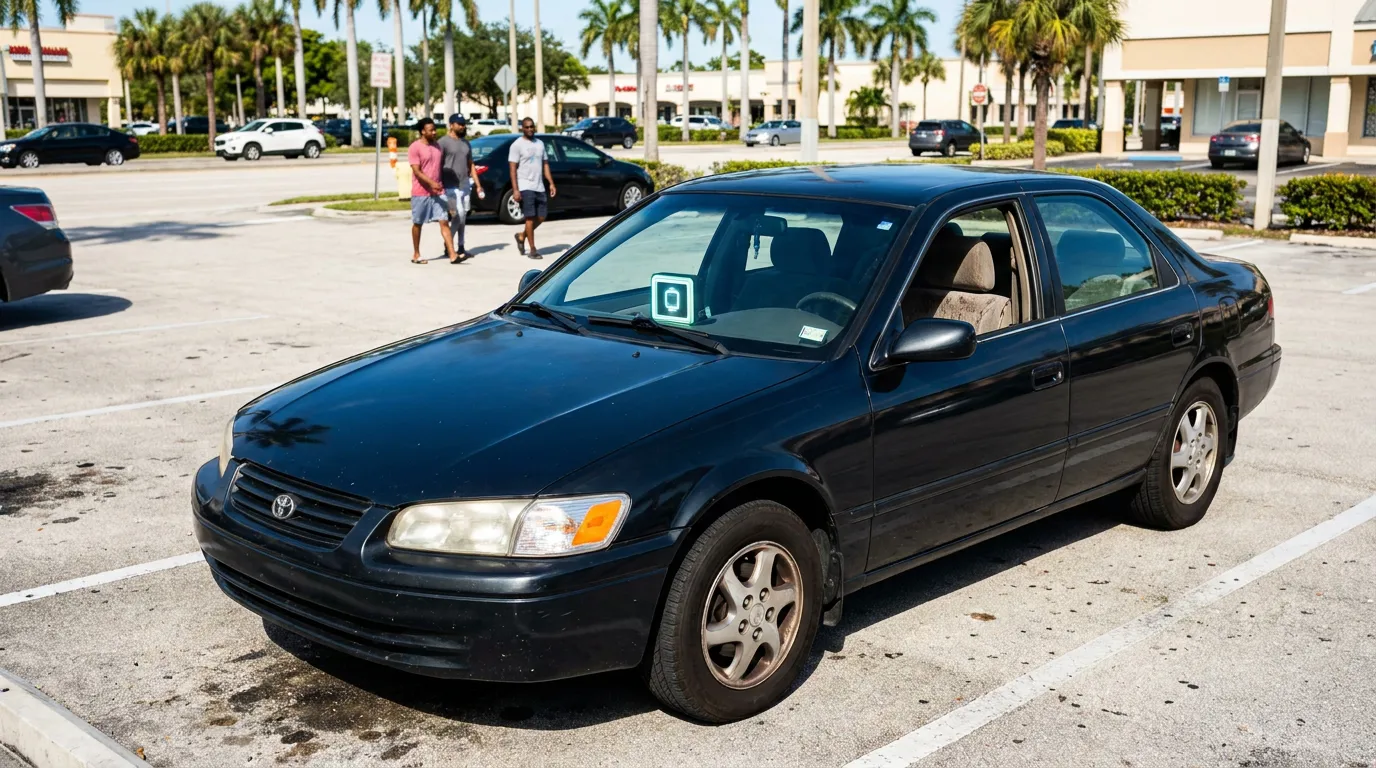
How Florida Statute 627.748 Period 1 Coverage Works
Florida law sets minimum insurance requirements that turn on the driver's status in the app at impact. Under Fla. Stat. § 627.748(7)(b)1.a., while a TNC driver is logged on but not engaged in a prearranged ride, there must be primary automobile liability coverage of at least $50,000 per person, $100,000 per incident, and $25,000 for property damage. These are statutory floors; a TNC or driver may carry higher limits.
The statute defines exactly when Period 1 ends. Under Fla. Stat. § 627.748(1)(b), a prearranged ride begins when a TNC driver accepts a ride requested through the digital network and ends when the last rider exits the vehicle. That definition can move a claim from a $100,000 ceiling into a materially larger commercial layer, which is why app data matters. Review the full text of the transportation network company statute for the precise language.
Offline, Period 1, and Periods 2 and 3
Rideshare coverage falls into three practical phases. When the driver is offline, only the driver's personal auto policy generally applies. Once the driver logs on and waits for a request, Period 1 limits apply. After the driver accepts a request and through trip completion, Fla. Stat. § 627.748(7)(c) requires at least $1 million in primary liability coverage for death, bodily injury, and property damage.
| Driver Status | Typical Liability Coverage |
|---|---|
| App off (offline) | Driver's personal auto policy only |
| Logged on, waiting (Period 1) | $50,000 per person / $100,000 per incident / $25,000 property damage |
| En route to rider or on trip (Periods 2 and 3) | At least $1 million third-party liability |
For more on the larger commercial layer, our breakdown of the $1 million Lyft policy explains when those higher limits attach.
Per Incident vs Per Person: The Distinction That Decides Recovery
The difference between "per person" and "per incident" is often the single most important number in a Period 1 rideshare crash. The $50,000 per-person figure is the maximum paid for any individual's bodily injury claim. The $100,000 per-incident figure is the aggregate bodily injury ceiling for the entire crash, regardless of how many people were hurt.
That aggregate ceiling creates real pressure with multiple injured passengers. A Fort Lauderdale collision involving two rideshare passengers and three occupants of another vehicle draws from the same $100,000 pool. Where combined damages exceed that amount, claimants may negotiate over a shrinking fund, and carriers may resolve claims quickly on a first-come basis. Prompt investigation often separates a documented claim from one that arrives after funds are committed.
💡 Pro Tip: Ask early whether other people were injured in the same crash. If several claimants are competing for one $100,000 limit, the timing of your medical documentation can meaningfully affect negotiations.
Coverage That May Exist Beyond the Liability Cap
A capped liability policy is rarely the end of the analysis. Fla. Stat. § 627.748(7)(b)1. also requires personal injury protection benefits meeting minimum amounts under ss. 627.730-627.7405, along with uninsured and underinsured vehicle coverage as required by s. 627.727. These requirements may be satisfied by insurance maintained by the TNC driver, the vehicle owner, the TNC itself, or a combination. Uninsured motorist coverage under s. 627.727 can be rejected or reduced in writing, so whether it exists is a fact question.
Florida's no-fault system means PIP generally applies first. Under Florida's no-fault PIP statute, benefits are generally $10,000 in medical and disability benefits, subject to emergency medical condition requirements.
Sources of Recovery Worth Investigating
- Uninsured and underinsured motorist coverage on your own or household policy
- PIP benefits for initial medical treatment and a portion of lost wages
- The at-fault non-rideshare driver's personal liability policy, if another vehicle contributed
- Any excess or umbrella coverage held by the rideshare driver or vehicle owner
- Third-party claims involving vehicle maintenance, road conditions, or commercial entities
Why Disclosure Rules Matter to Your Claim
Florida law requires TNCs to tell drivers, in writing, what coverage exists. Under Fla. Stat. § 627.748(8), the company must disclose the types of coverage, the limits for each coverage, and advise that a driver's personal policy might not provide coverage while logged on to the digital network. This confirms a common gap: many personal auto policies exclude losses during app-on activity unless a rideshare endorsement was purchased. The statute requires TNC-period coverage to be primary, and § 627.748(7)(e) provides that such coverage is not dependent on a personal automobile insurer first denying a claim, and a personal automobile insurance policy is not required to first deny a claim.
Practical Steps After a Period 1 Rideshare Crash in Broward County
What you do in the first days often determines what evidence still exists later. App data is generally controlled by the rideshare company. Screenshots, ride receipts, dashcam footage, and the crash report can all help establish which coverage period applied.
Documenting your injuries consistently is equally important. Gaps in treatment give carriers an argument that an injury resolved or was unrelated. Fla. Stat. § 627.736(7) conditions continued PIP benefits on cooperation with examinations, and unreasonable refusal can terminate benefits. A broward uber crash lawyer can help you understand what a request asks before you respond.
💡 Pro Tip: Photograph the driver's app screen at the scene if it is safe to do so. That single image can become powerful evidence of whether Period 1 or the higher commercial layer applied.
Deadlines, Comparative Fault, and Other Factors That Shape Value
Florida's civil deadline for most negligence lawsuits is two years from the date of the crash for causes of action accruing on or after March 24, 2023, while claims that accrued before that date are generally governed by the prior four-year period. Tolling and delayed-discovery arguments exist in limited circumstances and are interpreted narrowly. Claims against government entities carry separate presuit notice requirements.
Comparative negligence can also affect what you ultimately recover. Under Fla. Stat. § 768.81, a claimant's damages are reduced by their percentage of fault, and a claimant found more than 50% at fault for their own harm is generally barred from recovering in a negligence action, subject to statutory exceptions. Outcomes depend heavily on the specific facts, available policies, and how thoroughly the claim is documented.
Frequently Asked Questions
1. What happens if my damages exceed the $100,000 per incident limit?
Exceeding the cap does not automatically end your claim. You may be able to pursue uninsured or underinsured motorist coverage, PIP benefits, another at-fault driver's policy, or the personal assets or excess coverage of the responsible party. An attorney can review which layers may apply.
2. How do I know whether the driver was in Period 1 or on an active trip?
The driver's app status at the moment of impact controls. Trip records, ride receipts, and app data establish this, and that information is typically held by the rideshare company. Requesting preservation of that data early is important.
3. Does Florida PIP apply if I was a rideshare passenger?
Florida operates under a no-fault system, so PIP generally applies first for covered medical expenses. Which PIP policy responds depends on your household coverage and the crash circumstances.
4. Can several injured people each receive $50,000 in a Period 1 crash?
Not necessarily. While the per-person limit is $50,000, the total available is capped at $100,000 per incident for all bodily injury claims combined. With multiple injured passengers, that pool may be divided among claimants.
5. Should I give a recorded statement to the rideshare insurer?
It is generally wise to speak with an attorney first. Early statements can be used to dispute injuries or shift fault. You are entitled to understand your rights before answering questions, though your own insurer's policy may impose separate cooperation duties.
Where This Leaves Injured Riders and Drivers in South Florida
The $100,000 per incident ceiling in Florida Statute 627.748 Period 1 coverage is a real constraint, but it is rarely the whole picture. Between PIP, uninsured and underinsured motorist coverage, other at-fault parties, and the possibility that the driver had actually accepted a ride, more may be available than an initial adjuster call suggests. What matters most is acting quickly, preserving app and medical evidence, and having someone review the coverage layers before positions harden.
If you or a family member was hurt in a Fort Lauderdale Uber or Lyft crash, the attorneys at Englander Peebles are ready to listen and explain your options. Call 954-226-9134 or reach out to our Fort Lauderdale personal injury attorneys today. Call us today for a free consultation.