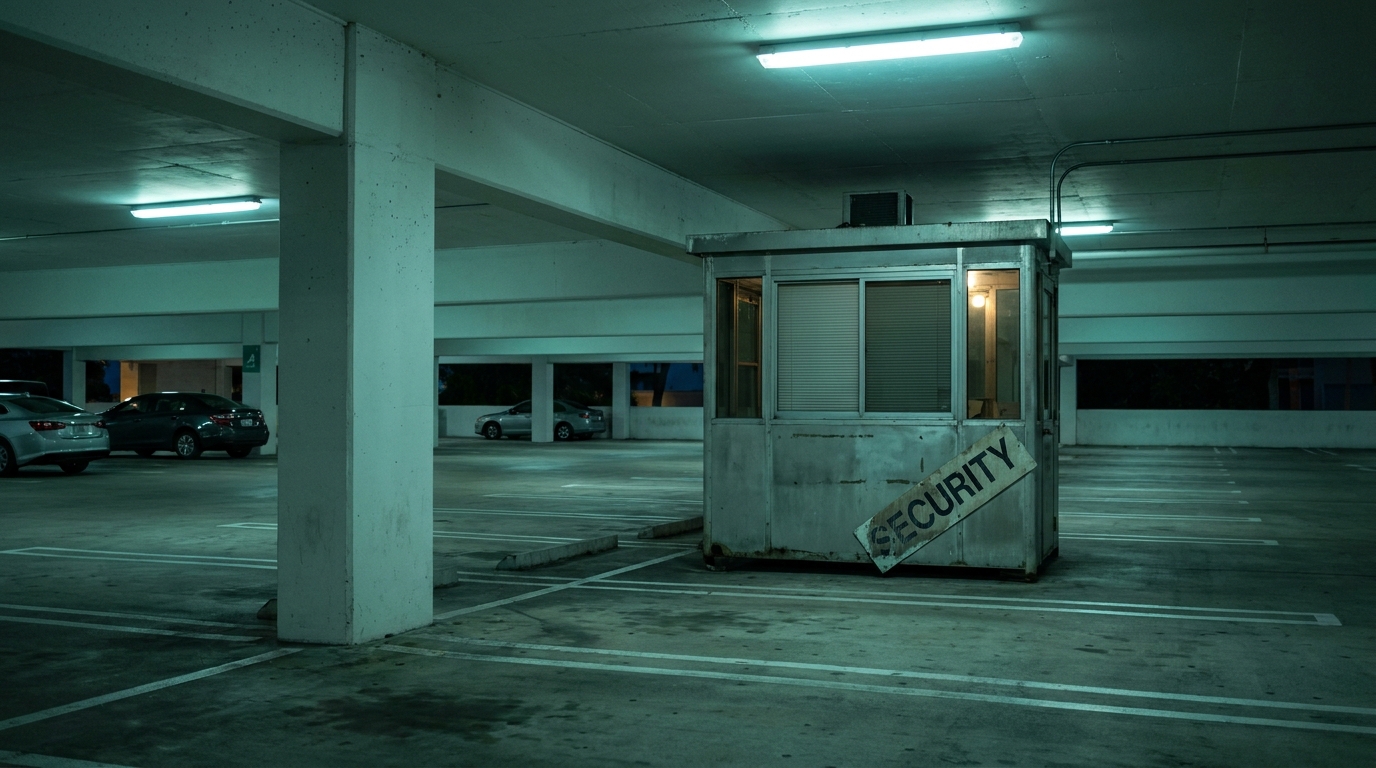
Fort Lauderdale and Miami's density of hotels, nightlife, apartment complexes, and parking garages makes negligent security one of the more significant — and frequently overlooked — categories of premises liability in South Florida. When a property owner fails to provide reasonable security and a foreseeable crime injures or kills a visitor, that owner can be held civilly liable alongside (or instead of) the criminal who caused the direct harm.
The Foreseeability Standard
A property owner isn't automatically responsible every time a crime happens on their property. The key legal question is foreseeability: would a reasonable property owner, given the property's history and surroundings, have recognized the risk? Courts look at prior similar incidents on or near the property, the type of property and volume of foot traffic, whether the owner had notice of security gaps, and crime patterns in the immediate area. Critically, the owner does not need to have predicted the exact crime that occurred — only that a reasonable person in the same position would have recognized a risk of that general type.
What You Must Prove
- Duty: the property owner owed a duty of reasonable care to lawful visitors;
- Breach: the owner failed to provide security measures reasonable for that property;
- Causation: the inadequate security allowed the crime to occur; and
- Damages: the victim suffered harm as a result.
The Criminal on the Verdict Form: A 2023 Shift
Whether the criminal assailant belongs on the verdict form has been fundamentally reshaped by recent tort reform. For decades, Florida followed the Florida Supreme Court's decision in Merrill Crossings Associates v. McDonald, 705 So. 2d 560 (Fla. 1997), which held that a criminal assailant could not be placed on the verdict form for fault apportionment. The court reasoned it would be illogical to let a property owner shift blame onto the very criminal act its security measures were supposed to prevent.
House Bill 837 completely overturned that protection. Florida Statute § 768.0701 now requires the trier of fact (usually the jury) to consider the fault of the criminal actor alongside the property owner's negligence in any negligent security action filed on or after March 24, 2023. In practice, this means the criminal — sometimes unidentified, deceased, incarcerated, or otherwise judgment-proof — now sits on the same verdict form as the property owner, and juries may instinctively assign the lion's share of fault to the "bad guy," which can dramatically shrink the collectible percentage attributed to the collectable defendant in the case. This makes building an airtight foreseeability record — prior similar incidents, ignored security recommendations, budget cuts to security staffing — more critical than ever, since that evidence now does double duty: proving the owner's negligence and fighting to keep the jury's apportionment of fault to the owner meaningful despite the criminal's name on the form.
Where These Claims Commonly Arise
- Apartment and condominium complexes (certain multi-family properties have specific legal standards);
- Hotels and short-term rentals in tourist-heavy areas;
- Nightclubs, bars, and entertainment venues;
- Parking garages and poorly lit surface lots; and
- Retail centers and shopping plazas.
How These Cases Are Contested
Property owners and their insurers routinely argue that a crime was random and unforeseeable, or that the victim's own actions contributed to the harm. Building a strong negligent security case usually requires a documented history of prior incidents, expert evaluation of the property's security measures against industry standards, and prompt investigation before evidence like camera footage or incident reports is lost.
Talk to a South Florida Injury Lawyer Today
If you or a loved one has been hurt because of the negligence of a property owner, the attorneys at Englander Peebles are ready to review your case at no cost to you. We handle these claims on a contingency basis. You pay nothing unless we recover for you.
Englander Peebles | (954) 500-HURT | ftlinjurylaw.com | 2122 W. Cypress Creek Road, Suite 206, Fort Lauderdale, FL 33309