The Role of a Personal Representative in a Florida Wrongful Death Case
When a loved one dies due to someone else's negligence in Florida, individual family members cannot file a wrongful death lawsuit on their own. Instead, Florida requires a court-appointed personal representative to bring the claim on behalf of the deceased person's estate and surviving family members. Under the Florida Wrongful Death Act (FL §§ 768.16, 768.26), this personal representative serves as the legal voice for every eligible survivor, managing both wrongful death litigation and probate responsibilities. If you recently lost a family member in a fatal accident, understanding this role is essential to protecting your family's rights.
If you have questions about a wrongful death claim, Englander Peebles is here to help. Call 954-226-9134 or contact us today for a free consultation.
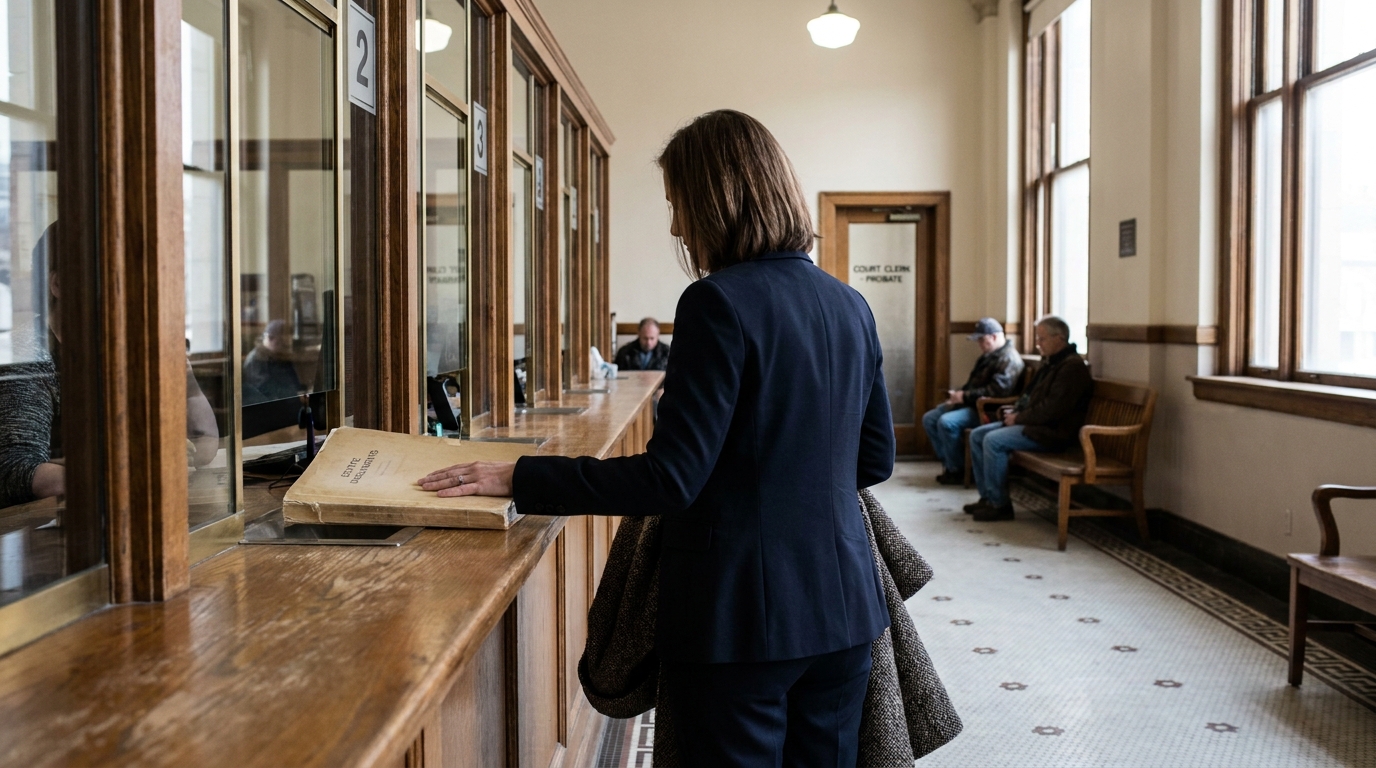
Who Qualifies to Serve as a Personal Representative in Florida?
Not just anyone can step into this role. Under FL § 733.302, any legally competent Florida resident at the time of the decedent's death generally qualifies. In practice, this often means a surviving spouse, adult child, or parent living in Florida may petition the court for appointment. Under FL § 733.303, individuals under 18, those convicted of a felony, or those mentally or physically unable to perform the duties are not qualified.
The personal representative may be named in the decedent's will, or the court may appoint one if no will exists. For families in Fort Lauderdale, identifying and appointing a qualified personal representative should happen quickly, as this person must be in place before a wrongful death lawsuit can proceed.
💡 Pro Tip: If you are unsure whether you qualify to serve as a personal representative, speak with a wrongful death attorney in Florida immediately. Delays in appointment can affect critical deadlines.
What Does a Personal Representative Actually Do?
Filing the Wrongful Death Lawsuit
The personal representative files the wrongful death lawsuit in court. Under FL § 768.20, the personal representative must bring the action on behalf of the decedent's survivors and estate. Under FL § 768.21, all potential beneficiaries of a recovery for wrongful death, including the decedent's estate, must be identified in the complaint and their relationships to the decedent alleged. This means the personal representative carries the procedural duty of ensuring no eligible survivor is excluded.
Managing Probate Duties Simultaneously
The personal representative also has legal duties under the Florida probate code. Under FL § 733.2121(1), (2), the personal representative must publish a notice to creditors in a local newspaper, typically once weekly for two consecutive weeks in the county where the estate is administered. The personal representative must also conduct a diligent search to identify and notify known creditors, even for unmatured or contingent claims.
This dual responsibility is why having an experienced wrongful death attorney in Florida matters. The probate process and wrongful death claim run on parallel tracks, and missteps on either side can affect the family's recovery.
💡 Pro Tip: The notice to creditors triggers a deadline for creditors to file claims against the estate. Early publication helps move the probate process forward and protects the estate from late-filed claims.
Damages a Personal Representative Can Recover for the Estate
The personal representative may recover specific damages on behalf of the decedent's estate. Under FL § 768.21(6), these include:
- Loss of earnings from the date of injury to the date of death
- Loss of prospective net accumulations the estate might reasonably have expected but for the wrongful death, reduced to present value
These estate-level damages are available when survivors include a spouse or lineal descendants, or when certain statutory conditions are met. Under FL § 768.21(7), all awards recovered for the decedent's estate are subject to creditor claims complying with probate law requirements.
💡 Pro Tip: Prospective net accumulations can represent a significant portion of total recovery. These figures depend on the decedent's earning history, career trajectory, and life expectancy, requiring careful economic analysis.
What Damages Can Surviving Family Members Recover?
Individual survivors each have their own damages under the Florida Wrongful Death Act. The personal representative pursues these on their behalf. Here is how the law breaks down recovery by survivor category under FL § 768.21:
| Survivor Category | Recoverable Damages |
|---|---|
| Surviving Spouse | Loss of companionship and protection, mental pain and suffering, lost support and services |
| Minor Children | Lost parental companionship, instruction, and guidance, mental pain and suffering, lost support and services |
| Parents of Minor Children | Mental pain and suffering, lost support and services |
| All Eligible Survivors | Lost support and services based on decedent's probable net income and joint life expectancies (FL § 768.21(1)) |
There is an important limitation. Under FL § 768.21(8), damages for adult children of parents and parents of adult children are restricted in medical negligence claims. A wrongful death attorney Fort Lauderdale families trust can evaluate how this applies to your claim.
How the Survival Statute Works Alongside Wrongful Death
Florida's survival statute, F.S. § 46.021, establishes that no cause of action dies with the person. However, under FL § 768.20, when a personal injury results in death, no action for that personal injury shall survive and any pending personal injury action shall abate, the wrongful death action fully replaces it.
The personal representative pursues the wrongful death claim, which under FL § 768.21 incorporates pre-death damages such as lost earnings from injury to death and medical expenses. Survival claims under F.S. § 46.021 may be pursued only for causes of action unrelated to the fatal injury; survival actions for the injury that caused the death do not survive.
💡 Pro Tip: If your loved one was involved in litigation or had a potential claim before the fatal incident, tell your attorney immediately. A survival action may provide additional recovery avenues only for claims unrelated to the fatal injury.
Special Deadlines When a Government Entity Is Involved
Wrongful death claims against a government agency in Florida follow different procedural rules. Under FL § 768.28(6), a claimant must first present the claim in writing to the appropriate agency before filing suit. Under FL § 768.28(14), wrongful death claims must be commenced within the limitations period in FL § 95.11(4), generally two years from the date of death.
Because these deadlines involve additional procedural steps, contacting an attorney immediately is critical. Courts interpret deadline exceptions narrowly.
Why Acting Quickly Matters for a Wrongful Death Claim in Ft. Lauderdale
Families in Broward County often ask how soon they need to take legal action. The answer is: as soon as possible. The personal representative needs appointment, notice to creditors must be published, all beneficiaries must be identified, and the lawsuit must be filed within the applicable limitations period.
Florida's modified comparative negligence law also applies to wrongful death cases. Under FL § 768.81, the estate and survivors may recover damages if the decedent was partially at fault, though recovery is reduced by the decedent's percentage of fault. However, if the decedent is found more than 50 percent at fault, the claim may be barred entirely under FL § 768.81(6). Preserving evidence early helps establish negligence and causation. To learn more about who has legal authority to file a wrongful death claim, review our detailed guide.
💡 Pro Tip: Keep all documents related to the fatal incident in a safe place, including police reports, medical records, insurance correspondence, and funeral expenses. Your attorney and personal representative will need these to build the strongest case.
Frequently Asked Questions
1. Who files a wrongful death lawsuit in Florida?
Under the Florida Wrongful Death Act (FL §§ 768.16, 768.26), only the personal representative of the decedent's estate may file a wrongful death lawsuit. Individual family members cannot file on their own. The personal representative brings the action on behalf of the estate and all qualifying survivors.
2. Can a non-Florida resident serve as a personal representative?
Generally, FL § 733.302 requires the personal representative be a Florida resident at the decedent's death. However, under FL § 733.304 a non-resident may qualify in certain specified categories: a legally adopted child or adoptive parent of the decedent; a person related by lineal consanguinity to the decedent; a spouse, brother, sister, uncle, aunt, nephew, or niece of the decedent (or someone related by lineal consanguinity to any such person); or the spouse of a person otherwise qualified under this section. If no qualified person is available, the court may consider alternatives.
3. What is the difference between a wrongful death claim and a survival action?
A wrongful death claim compensates survivors for their losses after death, such as lost companionship and support. A survival action under F.S. § 46.021 preserves legal claims the decedent had before death. However, under FL § 768.20, when personal injury results in death, the wrongful death action replaces any pending personal injury action.
4. Are wrongful death damages subject to creditor claims?
Yes, but only estate-level damages. Under FL § 768.21(7), all awards for the decedent's estate are subject to creditor claims complying with probate law requirements. Damages awarded directly to individual survivors, such as a spouse's recovery for loss of companionship, are generally treated differently.
5. How long do I have to file a wrongful death claim in Fort Lauderdale?
The statute of limitations for wrongful death in Florida is generally two years from the date of death under FL § 95.11. Claims against government entities involve additional pre-suit notice requirements under FL § 768.28 that must be satisfied before filing. Consult an attorney as early as possible.
Protecting Your Family's Rights After a Wrongful Death in South Florida
Losing a loved one to someone else's negligence is devastating, and navigating the legal process should not add to that burden. The personal representative plays a central role in a Florida wrongful death case, from filing the lawsuit and identifying eligible survivors to managing creditor claims and pursuing every category of damages the law allows.
If you need guidance from a Broward County wrongful death attorney, Englander Peebles is ready to help. Call 954-226-9134 or reach out to us online for a free consultation.