Proving Negligence After a Slip and Fall in Fort Lauderdale
If you slipped and fell inside a Fort Lauderdale business, the critical legal question is whether you can prove the property owner was negligent. Under Florida law, simply getting hurt on someone else's property is insufficient to recover compensation. You must show the business knew about the dangerous condition, or should have known, and failed to fix it. Florida Statute § 768.0755(1) places this burden on the injured person, requiring proof that the business had actual or constructive knowledge of the hazard. Understanding how do you prove negligence in a slip and fall case is essential before filing a claim, negotiating with an insurer, or entering a Broward County courtroom.
If you were recently injured in a fall and need guidance, Englander Peebles is here to help. Call 954-226-9134 or contact us today for a free consultation.
What Florida Law Requires You to Prove in a Slip and Fall Negligence Case
Florida's slip and fall statute sets a clear standard every injured person in Broward County should understand. Under FL § 768.0755(1), if you slip and fall on a transitory foreign substance such as a spilled drink, wet floor, or food item in a store aisle, you must prove the business had actual or constructive knowledge of the dangerous condition and should have taken action to remedy it. This is the foundation of any premises liability claim in Fort Lauderdale.
Actual knowledge means the business was directly aware of the hazard. For example, if an employee spilled water and walked away, or a manager received a complaint about a slippery floor and ignored it, that may constitute actual knowledge. However, direct evidence is not always available, which is why Florida's premises liability statutes also allow you to rely on constructive knowledge.
Actual Knowledge vs. Constructive Knowledge
The distinction between actual and constructive knowledge often determines the outcome of a slip and fall negligence claim in Florida. Actual knowledge requires proof the business was told about or directly observed the hazard. Constructive knowledge is based on what a reasonably careful business should have known under the circumstances.
| Type of Knowledge | What You Must Show | Common Evidence |
|---|---|---|
| Actual Knowledge | The business knew about the specific hazard | Employee testimony, incident reports, written complaints |
| Constructive Knowledge (Duration) | The hazard existed long enough that the business should have found it | Witness statements about timing, condition of the substance (dirty, dried, tracked through) |
| Constructive Knowledge (Regularity) | The hazardous condition happened repeatedly and was foreseeable | Maintenance logs, prior incident reports, employee testimony about recurring problems |
💡 Pro Tip: After a fall, note the condition of the substance on the floor. Was it dirty, smeared, or tracked by footprints? These details can help establish the hazard existed for an extended period, supporting a constructive knowledge argument under FL § 768.0755(1)(a).
How Do You Prove Negligence in a Slip and Fall Using Constructive Knowledge
When there is no direct evidence the business knew about the hazard, constructive knowledge becomes your strongest tool. FL § 768.0755(1)(a) allows you to prove constructive knowledge by showing the dangerous condition existed for such a length of time that, in the exercise of ordinary care, the business should have known of it. This is sometimes called the "time" test and is one of the most frequently litigated issues in Broward County slip and fall claims.
The second path to constructive knowledge focuses on foreseeability. Under FL § 768.0755(1)(b), you can establish constructive knowledge by showing the condition occurred with regularity and was therefore foreseeable. For instance, if a grocery store's produce section routinely had water and debris on the floor because of how merchandise was displayed, and management never changed practices, that pattern may support constructive knowledge.
Gathering Evidence to Support Your Claim
Building a strong case starts at the scene of the fall, and time is critical. The more evidence you preserve early on, the stronger your position when proving fault. Consider gathering:
- Photographs of the hazard, your injuries, and the surrounding area, including any lack of warning signs
- Names and contact information for witnesses who saw the fall or the condition beforehand
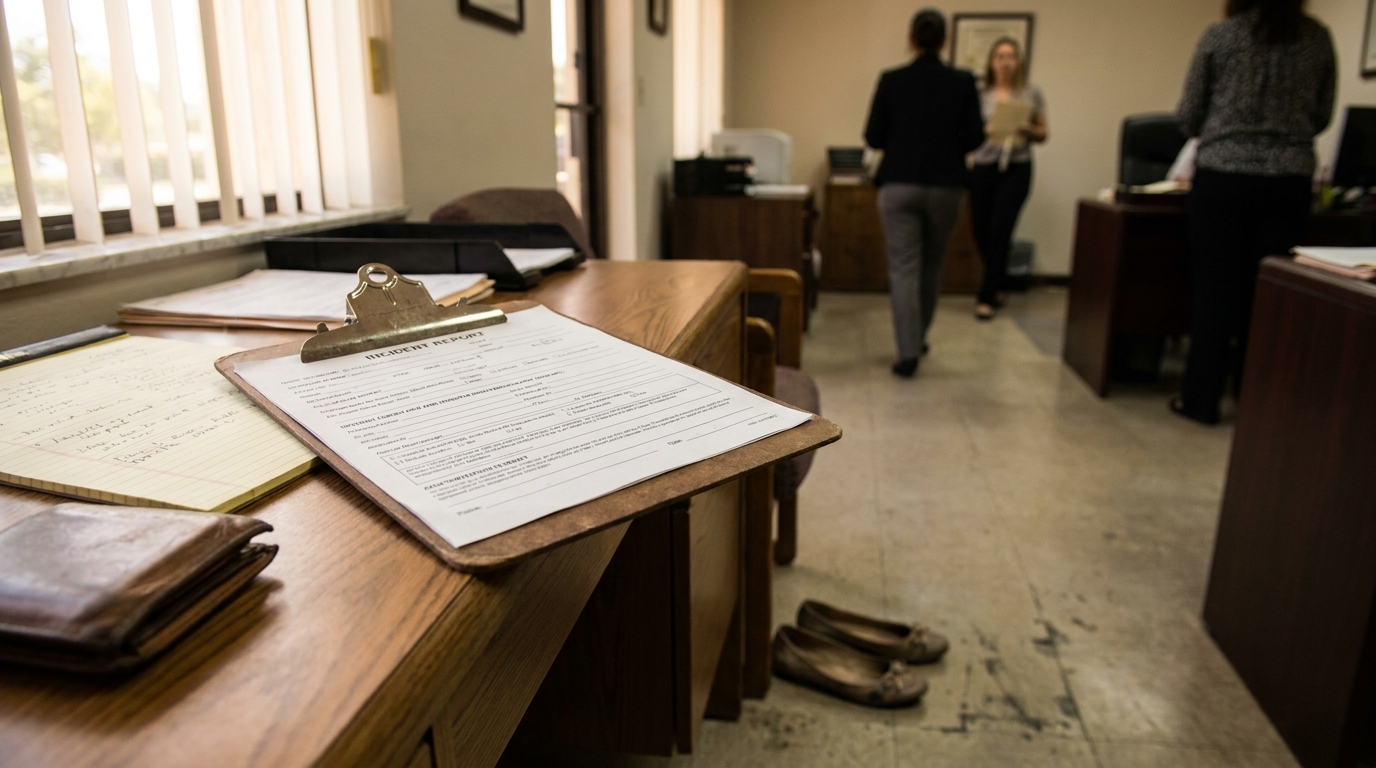
- A copy of the incident report filed with the business
- Written notes about what happened, the time of day, and conditions you observed
- Medical records documenting your injuries and treatment from the day of the fall
💡 Pro Tip: Request that the business preserve surveillance footage immediately. Many businesses overwrite security camera recordings within days. An attorney can send a formal preservation letter to protect this evidence before it disappears.
The Role of Comparative Fault in a Fort Lauderdale Slip and Fall Case
Even if you prove the business was negligent, the defense will likely argue you share some blame for your injuries. Florida's modified comparative fault system under FL § 768.81 allows a court to reduce your damages based on your percentage of responsibility. For example, if a jury determines you were 20 percent at fault for not watching where you walked, your total recovery would be reduced by 20 percent.
Florida's 2023 tort reform created a hard cutoff. Under FL § 768.81(6), if you are found greater than 50 percent at fault for your own harm, you are completely barred from recovering any damages. This rule does not apply to medical malpractice claims but fully applies to slip and fall and other premises liability cases. This makes it essential to document the property owner's negligence thoroughly and counter any attempts to shift blame onto you.
💡 Pro Tip: Insurance adjusters often ask for recorded statements soon after an accident. Before providing one, speak with an attorney. Statements made without legal guidance can be used to inflate your percentage of fault and reduce or eliminate your recovery.
Common-Law Duty of Care Still Applies in Florida
Florida's slip and fall statute does not replace the broader duty of care property owners owe to visitors. FL § 768.0755(2) explicitly states the statute does not affect any common-law duty of care owed by a person or entity in possession or control of business premises. This means even if your fall did not involve a transitory foreign substance, such as a spill or liquid, you may still have a valid negligence claim based on common-law principles.
Fort Lauderdale property owners have a general obligation to maintain premises in a reasonably safe condition. This duty extends to issues like broken handrails, uneven flooring, poor lighting, and other structural hazards that do not fit within the transitory substance framework of § 768.0755. If you were hurt by one of these conditions, your claim may proceed under Florida's broader defenses in premises liability common-law standards.
💡 Pro Tip: Do not assume your case lacks merit because there was no spill or wet floor. Many successful slip and fall claims in Broward County are based on common-law negligence theories involving structural defects, poor maintenance, or inadequate safety measures.
Why You Should Contact an Attorney Immediately After a Fall
In South Florida's legal environment, early action can make or break your case. Evidence disappears quickly. Surveillance footage gets erased, witnesses forget details, and businesses may repair the hazard before anyone documents it. Reaching out to a slip and fall attorney in Ft Lauderdale as soon as possible helps ensure your rights are protected from day one.
An attorney can help you navigate the complex interplay between Florida's statutory and common-law negligence standards. Every case involves unique facts, and whether your claim falls under FL § 768.0755 or common-law duty of care principles can significantly affect your legal strategy. Florida also imposes strict filing deadlines for personal injury cases, so waiting too long could jeopardize your ability to recover compensation.
💡 Pro Tip: Keep a folder with all documents related to your fall, including medical bills, receipts for out-of-pocket expenses, and any correspondence with the business or their insurer. Organized records make it easier for your legal team to build a strong case.
Frequently Asked Questions
1. What is the burden of proof for a slip and fall claim in Florida?
Under FL § 768.0755(1), the injured person must prove the business had actual or constructive knowledge of the dangerous condition and should have taken action to remedy it. This is a higher burden than simply showing a hazard existed. You need evidence connecting the business's awareness, or failure to discover the hazard, to your injury. You can read more on our personal injury resources page.
2. Can I still recover damages if I was partially at fault for my slip and fall?
Yes, but your recovery may be reduced. Florida's comparative fault system under FL § 768.81 reduces your damages by your percentage of fault. However, if you are found greater than 50 percent at fault, FL § 768.81(6) bars you from recovering any damages.
3. What kind of evidence helps prove constructive knowledge in a Broward County slip and fall claim?
Circumstantial evidence is often key. Under FL § 768.0755(1)(a)-(b), you can show the hazard existed long enough for the business to have discovered it, or that the condition occurred with regularity and was foreseeable. Dirty or deteriorated conditions, prior incidents, and maintenance records can all support this argument.
4. Does the slip and fall statute cover all types of falls on business property?
No. FL § 768.0755 applies specifically to transitory foreign substances, such as spills or wet floors. However, FL § 768.0755(2) preserves the common-law duty of care, meaning falls caused by structural defects, poor lighting, or other non-transitory hazards may still support a negligence claim under broader legal principles.
5. How long do I have to file a slip and fall lawsuit in Florida?
Florida imposes a statute of limitations on personal injury claims, and missing that deadline generally means losing your right to sue. Because recent legislative changes have affected these timelines, consult with an attorney promptly to confirm the deadline that applies to your specific situation.
Protect Your Rights After a Slip and Fall in Fort Lauderdale
Proving negligence in a Florida slip and fall case requires more than showing you were hurt. You need evidence of the business's knowledge of the hazard, an understanding of how comparative fault may affect your recovery, and a clear legal strategy grounded in both FL § 768.0755 and common-law duty of care principles. Every case turns on its own facts, and the sooner you begin preserving evidence and building your claim, the stronger your position.
Contact Englander Peebles today. Call 954-226-9134 or reach out to our team online to speak with our Fort Lauderdale personal injury attorneys about your situation.