When a loved one enters a nursing home, you hope they’ll receive the kind of care you would give them yourself, if only you could—patient, respectful, and protective. So when unexpected injuries don’t have clear explanations, when the staff gives you answers that don’t sit right, and when something just feels off, you consider possibilities that never before entered your mind: Has my loved one been abused or neglected?
If you ultimately uncover abuse, getting justice will demand fair compensation for your loved one. Compensation is the legal tool families use to protect their loved ones and hold negligent facilities accountable. How much a claim is worth depends on several variables, from the severity of physical injuries to the extent of psychological and emotional trauma, to the egregiousness of the conduct that produced those injuries and traumas.
Englander Peebles, trusted personal injury lawyers in West Park, FL, with offices in Fort Lauderdale and Miami, has guided many families through nursing home abuse cases. We value victims’ damages on a case-by-case basis, and we get it right. Call Englander Peebles today at (954) 500-4878 or contact us online to get a personalized case valuation following your free, no-obligation consultation.
Key Takeaways involving Nursing Home Abuse Claims
- Nursing home abuse claims may include both economic and non-economic damages, from the cost of medical care (economic) to the terror and anxiety that often accompany abuse (non-economic).
- Wrongful death damages may be available if the abuse leads to fatal harm, and our attorneys will work to prove such a direct link exists.
- Elder abuse can include intentional acts such as hitting, intimidation, or sexual misconduct, while other forms of abuse can be more subtle.
- Neglect is a failure to provide basic care, which can produce dehydration, pressure ulcers, medication-related complications, and other harmful symptoms.
- Facility-level failures often create the conditions for abuse and neglect to occur, which is why nursing homes are so frequently liable for victims’ damages.
- Englander Peebles’ nursing home abuse attorneys know how to uncover hidden misconduct, as well as protect victims and help them find normalcy again.
- Hiring a lawyer as soon as possible can help preserve evidence, while quick action may also safeguard your loved one’s rights and prevent costly missed deadlines.
Factors That Influence How Much a Nursing Home Abuse Claim Is Worth
The value of a nursing home abuse or neglect claim depends on the nature of the harm involved, the duration of time for which the victim was mistreated, the medical, psychological, and emotional consequences of the abuse, whether the resident survived, and a host of other variables.
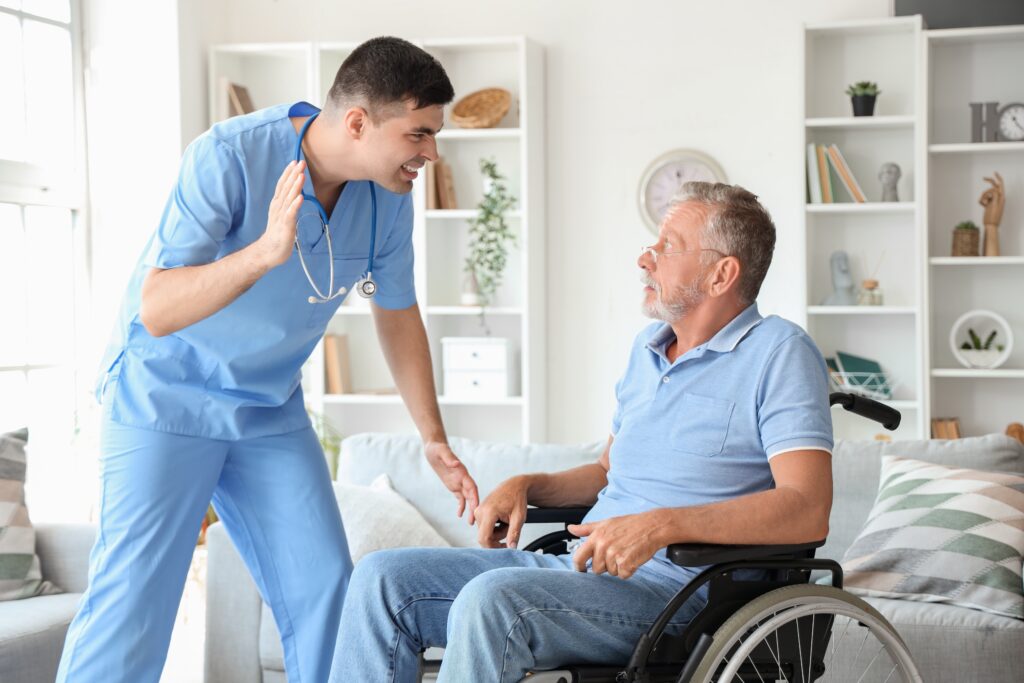
Ultimately, though, we determine how much a nursing home abuse claim is worth by totaling the victim’s damages.
In general, nursing home abuse compensation falls into two categories: economic and non-economic damages.
Economic Damages in Nursing Home Abuse Cases
Economic damages compensate families for measurable financial losses, in this case, those that result from elder abuse. These damages can include:
- Medical bills associated with the abuse
- Hospital stays for infections, dehydration, or injuries
- Surgery or emergency treatment
- Specialist consultations
- Rehabilitation and physical therapy
- Costs of relocating to a safer facility
A medical bill is probably the last thing on your mind when you discover a loved one was heinously abused in a nursing home. Yet, as attorneys, we must consider these financial costs to ensure the victim (or others affected by the economic cost of the abuse) gets every form of justice they are entitled to—and faces no undue financial burdens.
Non-Economic Damages: The Human Cost of Abuse
Non-economic damages are the type that the victim’s loved ones first think of when the abuse comes to light. These are the realities that make abuse so cruel, and they do not immediately pertain to money (like a moving expense or medical bill would).
Some of the non-economic damages common in elder abuse-related cases are:
- Physical pain
- Discomfort
- Emotional distress
- Anxiety
- Fear
- Loss of dignity
- Worsening of cognitive symptoms
- Loss of enjoyment of life
Some victims of abuse stop speaking, withdraw from social activities, become terrified of staff interactions, and lose themselves as a result of abuse. These symptoms may never go away, and these are the kinds of tragic realities we confront when representing victims of nursing home abuse.
Wrongful Death Damages in Nursing Home Abuse Cases
There is a third category of damages that indicates the worst-case outcome of abuse has come to pass. If we’re talking about wrongful death damages, the victim has lost their life.
We never hope to see this heartwrenching outcome, but when we do, we know that survivors may deserve compensation for:
- Funeral expenses
- The victim’s medical care before death
- The victim’s pain and suffering (which should be reflected in the case, even though they have passed away)
- The family’s emotional loss, including their grief
- Loss of the decedent’s companionship and support
Some survivors also experience financial losses when the deceased contributed pension income, Social Security benefits, or helped with household expenses.
Whatever your or your loved one’s damages are, trust that your lawyer from Englander Peebles will demand justice for them.
What Does Abuse Look Like in a Nursing Home Setting?
One definition of abuse in the context of elder mistreatment is “the willful infliction of injury, unreasonable confinement, intimidation, or punishment with resulting physical harm, pain, or mental anguish.” This and other definitions are slightly broader than they first appear, as they can capture several types of abuse, including that which is:
- Physical
- Emotional
- Sexual
- Financial
- Medical
We should get even more specific, though, because it is the details of abuse that show just how devastating its effects can be.
Types of Abuse in Nursing Homes
As difficult as it is to confront the specifics of the abuse your loved one suffered, we must do so to see justice done. Some specific types of abuse that happen in nursing homes are:
- Physical abuse, such as punching, slapping, burning, rough handling, shoving, and improper use of restraints
- Emotional abuse, which can include yelling at, mocking, intimidating, and intentionally isolating residents from activities or other residents
- Sexual abuse, a particularly heinous form of abuse that can include unwanted touching, forced nudity, and any non-consensual sexual contact
- Financial exploitation, such as theft of personal belongings, forced signatures on financial documents, and manipulation for financial gain
Sadly, abusers often target residents who cannot defend themselves or communicate clearly—the most vulnerable. Yet, anyone in a nursing home can become a victim.
Examples of Neglect
Neglect happens when staff fail to meet basic care needs, whether due to poor training, disorganization, or outright indifference. Some possible signs of neglect are:
- Chronic dehydration
- Malnutrition or unexplained weight loss
- Untreated bedsores
- Repeated falls or wandering
- Poor hygiene due to a lack of assistance
Neglect often appears in clusters: a resident who is dehydrated is often also malnourished, or a resident with untreated bedsores may also be left in soiled clothing. Over time, these “small” failures snowball into life-threatening harm.
How Facility Failures Create Conditions for Abuse and Neglect
Abuse rarely happens in isolation. Quite the opposite is true. The U.S. Department of Health and Human Services (HHS) Office of Inspector General has “uncovered misconduct and grossly substandard care in nursing homes,” adding that predators routinely “perpetrate criminal activity that targets nursing home residents.”
Threats to residents are most rampant where ownership and management fail. Whenever we encounter a victim of elder abuse, we ask: How did this happen, and who allowed it to happen?
Common Nursing Home Facility Failures
Experts note that “we can all help prevent violence against older adults.” Yet, nobody has a greater responsibility to do so than the owners and employees of facilities explicitly tasked with caring for (and protecting) those older adults.
Here are some of the most common ways management creates dangerous conditions for residents:
- Inadequate staffing levels
- Poor training for new or temporary employees
- High turnover, leading to inconsistent care
- Hiring unqualified or unvetted workers
- Failing to respond to complaints or warning signs of abuse or neglect
Englander Peebles often identifies patterns, such as falsified logs, staff members working double shifts, supervisors who failed to investigate prior incidents, and administrators who ignored repeated warnings. These are telltale signs that poor ownership or management—or both—allowed the abuse or neglect to happen.
How Our Nursing Home Abuse Lawyers Build Strong Cases for Our Clients
Many facilities hope families will ask very few questions about how the abuse happened. They hope the families will be satisfied with vague, canned explanations.
The attorneys at Englander Peebles don’t tolerate anything short of complete accountability from those responsible for abuse. We will build a case designed to produce fair compensation, but also to hold liable parties responsible for the harm they have caused.
Critical Case-Building Steps Our Lawyers Take
Here’s what the experienced attorneys from Englander Peebles do to build successful elder abuse cases:
- Conducting a detailed, compassionate intake process
- Obtaining the resident’s medical records and care plans
- Requesting facility logs, staffing charts, and incident reports
- Moving quickly to preserve surveillance footage and other onsite evidence
- Interviewing staff members, residents, and others who might have firsthand knowledge of the abuse
- Consulting with medical and elder-care experts and using their insights in the case
Our attorneys also compare the facility employees’ and owners’ behavior to state regulations, industry standards, and federal Medicare guidelines. We often find patterns of negligence that mesh with the heart of our cases.
Fair Compensation Signals Success in a Nursing Home Abuse Case
It is difficult to use the word “success” when discussing nursing home abuse, but the truth is that we aim to be successful in representing you or your loved one. We want the best for them, and securing a fair financial recovery is our way of helping.
Once we have built our case, it is time to deliver justice. We do this by:
- Using expert reports to quantify long-term harm (and supplement our own calculations)
- Organizing all witness testimony and evidence for maximum impact
- Presenting a comprehensive demand package to liable parties
- Negotiating with all liable insurance companies
If insurers refuse to offer a fair amount, our legal team will escalate the case to litigation, which will likely mean:
- Filing a lawsuit
- Conducting depositions of administrators and caregivers
- Obtaining internal memos, emails, and personnel files
- Preparing for trial by crafting a compelling narrative for a jury
Nursing homes know that juries react strongly to evidence of elder abuse. That pressure often leads to meaningful settlements. However, we will be ready for trial if this pressure is not enough to motivate at-fault parties to settle for a fair amount.
Frequently Asked Questions
You might be wondering, as many who discover elder abuse do:
1. What if my loved one can’t communicate what happened due to cognitive impairment?
It is common. Our lawyers rely on medical findings, expert testimony, evidence of behavioral changes, and various other evidence in place of the victim’s own statements.
2. Can we move our loved one during the legal process?
Yes. Moving them may be necessary, given that their former residence has been found unsafe.
3. Are falls always a sign of abuse or neglect?
Falls are often a symptom of neglect and, in some cases, abuse. If your loved one has fallen, you should contact Englander Peebles right away so we can investigate further.
Justice for Elder Abuse Can’t Wait, Call Englander Peebles About Engaging a Nursing Home Abuse Attorney.
Nursing home abuse cases are time-sensitive. Florida’s statute of limitations sets strict deadlines for injury and wrongful death claims, and facilities often move quickly to protect themselves—potentially erasing video, revising unfavorable, transferring guilty staff, and taking other protective measures. Do not wait to put us on the case.
Authorities advise that you contact law enforcement as soon as you discover elder abuse, and we second that. Law enforcement is not your personal representative, though, and has a limited capacity to enact the kind of justice that abuse victims truly need. That’s what an attorney is for.
Englander Peebles is ready to step in now. With contingency fees, you pay nothing up front, and you can pursue justice without worrying about financial barriers. Call us today at (954) 500-4878 or contact the firm online today. Let’s discuss how one of our South Florida nursing home abuse lawyers will fight for the justice and accountability your loved one needs and deserves.